12 Hidden Gems in Europe Worth the Detour
Some of the best hidden gems in Europe are the places you almost skip because a bigger-name city gets all the attention. Then you arrive, prices drop, crowds thin out, and suddenly your trip feels like your own, not a copy of everyone else’s itinerary. If you want more value from limited PTO and a realistic travel budget, these are the kinds of places worth building a trip around.
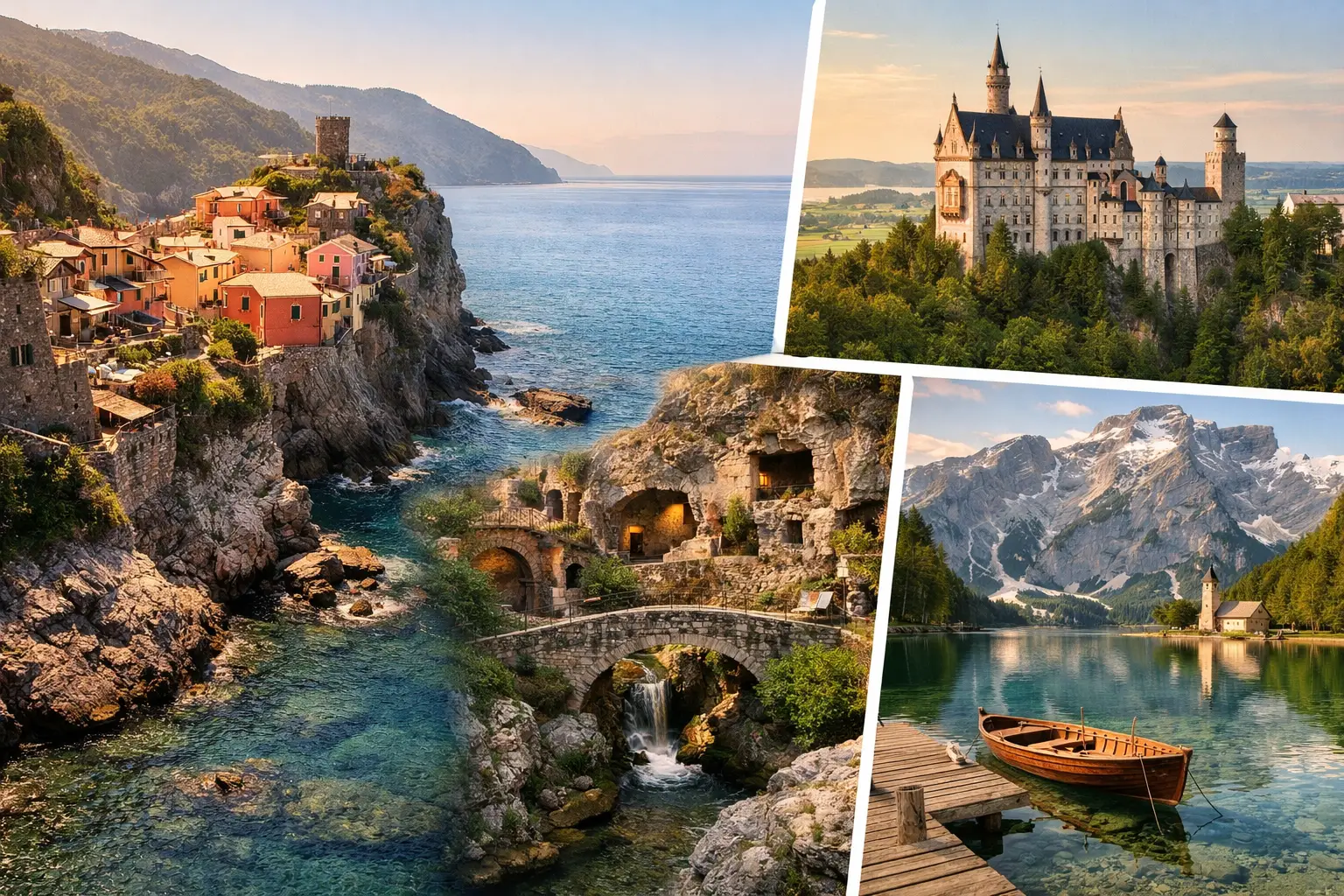
This isn’t a list of places that were secret 15 years ago and now have a souvenir shop on every corner. These are destinations that still feel a little under the radar for many U.S. travelers, especially compared with Europe’s blockbuster capitals. A few are getting more attention, and that’s fair. But they still offer the sweet spot – character, scenery, strong food, and room to breathe.
This post may contain affiliate links. Please read our disclosure and privacy policy for more information.
Why Hidden Gems in Europe Often Deliver Better Trips
The big trade-off with Europe’s icons is obvious. Paris, Rome, and Amsterdam are famous for good reason, but they can also be expensive, crowded, and tiring if you’re trying to squeeze the most out of a one- or two-week trip. Lesser-known spots often give you more flexibility. Hotels can be cheaper, restaurant prices less inflated, and attractions easier to enjoy without pre-booking every hour of your day.
That doesn’t mean obscure always equals better. Some hidden gems take more effort to reach, have fewer English-language resources, or offer less public transportation once you arrive. If you want a smooth first European trip with zero logistics stress, a smaller destination may not be the easiest choice. But if you’re comfortable doing a bit of planning, the payoff can be huge.
12 Hidden Gems in Europe Worth Your Time
Kotor, Montenegro
Kotor has the kind of dramatic setting people usually associate with far pricier destinations. Mountains drop straight into the bay, the old town is compact and atmospheric, and you get Adriatic scenery without Croatia’s peak-season sticker shock. It’s especially good for travelers who want beautiful views and walkable streets without paying Dubrovnik prices.
The catch is that cruise traffic can briefly change the vibe during the day. Stay overnight if you can. Early morning and evening are when Kotor feels most rewarding.
Ljubljana, Slovenia
Ljubljana is one of Europe’s easiest smaller capitals to love. It’s clean, compact, and relaxed, with a riverside center that feels lively without being chaotic. You can cover a lot on foot, which saves money and time, and the food scene is stronger than many first-time visitors expect.
It also works brilliantly as part of a wider Slovenia itinerary. Lake Bled gets the photos, but Ljubljana is where many travelers end up wishing they had booked an extra night.
Ghent, Belgium
Bruges gets the postcards. Brussels gets the capital city’s attention. Ghent often lands right in the middle, which is exactly why it works. It has canals, medieval architecture, and excellent beer culture, but it tends to feel less stage-managed than Bruges and less overwhelming than bigger cities.

If you like cities with history that still feel lived in, Ghent is a smart pick. It’s especially good for a long weekend when you want culture and atmosphere without a packed itinerary.
Ghent is also a personal favorite hidden gems in Europe of mine because the city and canals are actually hidden. You can’t see any of them until you get into the city center.
Mostar, Bosnia and Herzegovina
Mostar is memorable for more than its famous bridge. The city carries layers of beauty, resilience, and complexity, leaving an impression that goes deeper than a scenic old-town stop. It’s affordable by European standards, the food is satisfying and unfussy, and the setting is striking.
This is one of those places where context matters. Reading a little about the region before you go will make the visit more meaningful. It’s not just pretty – it has weight.
Colmar, France
Colmar looks almost unreal, which usually makes me suspicious. But it earns the hype while still flying under the radar for plenty of American travelers who default to Paris, Provence, or the French Riviera. It’s a strong choice if you want that storybook Alsace look with easy access to wine villages and regional food.

It can get busy during the Christmas market season, so that value-conscious travelers may find spring or early fall a better deal. You’ll likely save money visiting these hidden gems in Europe and avoid the most intense crowds.
Piran, Slovenia
Piran is small, photogenic, and much easier on the wallet than many better-known coastal towns in the region. Venetian architecture, seafood, and sunset views make it feel special, but it still suits travelers who want a slower pace. You don’t need a packed sightseeing plan here. That’s part of the appeal.
It works best for people who enjoy lingering over meals, swimming in season, and wandering old lanes without constantly checking the clock. If you need nonstop attractions, it may feel too quiet.
Córdoba, Spain
Spain has no shortage of famous cities, which is exactly why Córdoba can be overlooked. The Mezquita alone is worth the trip, but the city offers much more than one headline sight. The historic center is walkable, patios add personality, and the overall pace can feel more manageable than Madrid or Barcelona.
Summer heat is no joke, so timing matters. Shoulder season is usually the smarter move unless you genuinely love high temperatures and midday siestas.
Gdansk, Poland
Gdansk combines waterfront energy, layered history, and prices that can still feel refreshingly reasonable compared with Western Europe. It has the visual appeal many travelers want, but it also has substance. Museums and historical sites here are excellent, especially if you’re interested in World War II history or European political change.

It’s a solid choice for travelers who like city breaks with depth. If you’re trying to stretch your budget, Poland often gives you more room for a nicer hotel or better meals without blowing the trip fund.
Alba Iulia, Romania
Romania has several places that deserve more attention, but Alba Iulia stands out for travelers who love historic towns without tourist overload. Its star-shaped citadel is impressive, the atmosphere is calm, and prices are often friendly enough to make a longer stay realistic.
This isn’t where you go for flashy nightlife or endless attractions. You go because it feels grounded, interesting, and pleasantly free of travel theater. And, because it is one of the lesser-known hidden gems in Europe.
Dinant, Belgium
Dinant is one of those places that looks far more dramatic in person than in photos. With its cliffside setting, riverside location, and compact size, it makes an excellent stop for travelers who want scenery without planning a full alpine adventure. It’s easy to enjoy in a day, but an overnight stay gives the town more room to breathe.
If your European trips usually lean urban, Dinant is a good way to add visual variety without major detours.
Lucca, Italy
Lucca proves that Italy’s smaller cities can be just as satisfying as the giants. The Renaissance walls, pleasant streets, and lower-key atmosphere make it a welcome alternative to Florence or Pisa if you want charm without the constant rush. You can bike the walls, eat well, and actually hear yourself think.

The trade-off is that Lucca is more about atmosphere than ticking off world-famous landmarks every hour. For many travelers, that’s exactly the point.
Veliko Tarnovo, Bulgaria
Veliko Tarnovo has hills, fortress views, and a lived-in feel that set it apart from more polished tourist centers. Bulgaria remains one of Europe’s better-value countries, and this city gives you history and scenery without requiring a luxury budget.
It’s a smart pick for travelers comfortable venturing a bit beyond the standard routes. If your goal is to see a part of Europe that still surprises you, this is a strong contender.
How to choose the right hidden gem in Europe for your travel style
The best pick depends on what kind of trip you actually want, not the one social media tells you to book. If you love coastal scenery and long outdoor meals, places like Kotor and Piran are a good fit. If you want a city break with culture, food, and easy walking, Ljubljana, Ghent, and Gdansk are safer bets.
Budget matters too, but so does transit time. A cheaper destination can become less of a bargain if getting there requires a pricey regional flight or a full day of connections. For busy travelers with limited vacation time, pairing one major gateway city with one lesser-known destination often works best. Think Milan and Lucca, Barcelona and Córdoba, or Vienna with a side trip into Slovenia.
This is also where being realistic helps. Not every hidden gem needs three nights. Some are ideal bases, while others are better as one-night stops or day trips. The smartest itinerary is the one that leaves room to enjoy the place instead of racing through it because you tried to cram in six countries.
At Brit On The Move, I’m always more interested in trips that feel memorable and doable than ones that look impressive on paper. Europe is full of headline destinations, but the places you talk about for years are often the ones that surprised you.
If you’re planning your next trip, leave a little room for the detour. That’s usually where the good stuff starts.
Looking For More Hidden Gems in Europe? Start Here:
- Atom Panopticon, Lancashire, England: A Landmark in Modern Architecture
- Crawford Priory – An Amazing Hidden Treat in Scotland
- Loch an Eilein Castle: A Historic Landmark in the Scottish Highlands
- Scottish Pyramids: The Balmoral Cairns
- Scotland’s Green Loch “An Lochan Uaine” In Glenmore Forest
- Urquhart Castle – The Jaw-dropping Castle On The Bank Of Loch Ness
Brit On The Move™ Travel Resources
Ready to book your next trip? Use these resources that work:
Was the flight canceled or delayed? Find out if you are eligible for compensation with AirHelp.
- Hotels: Find the best prices; use Booking.com
- Apartment Rentals: Find the best prices on apartment rentals with Booking.com’s Apartment Finder.
- Travel Insurance: Don’t leave home without it. View our suggestions to help you decide which travel insurance is for you: Travel Insurance Guide.
- Credit Cards: Check out our recommendations for Travel Credit Cards.
- Volunteer Vacation or a Working Holiday? Check out the complete guide here!
- Rental Cars: Find the best deals here!