Florida Springs are one of nature’s most beautiful gifts. Florida is home to more than 1,000 natural springs between the sun-soaked beaches of the Gulf of Mexico and the Atlantic Ocean, drawing people to the state for thousands of years. No two springs are the same; they all vary, and both on land and underwater, they differ.

This post may contain affiliate links. Please read our disclosure and privacy policy for more information.
What Is A Spring?
Contrary to popular belief, they aren’t just the source of fresh water; they’re just one part of the long journey water takes from the atmosphere to the land surface, into the ground through the Floridan Aquifer, and back to the surface.
Why Are Florida Springs Important?
They are of great ecological importance and support hundreds of plant and animal species. They also provide drinking water that comes from the aquifer.
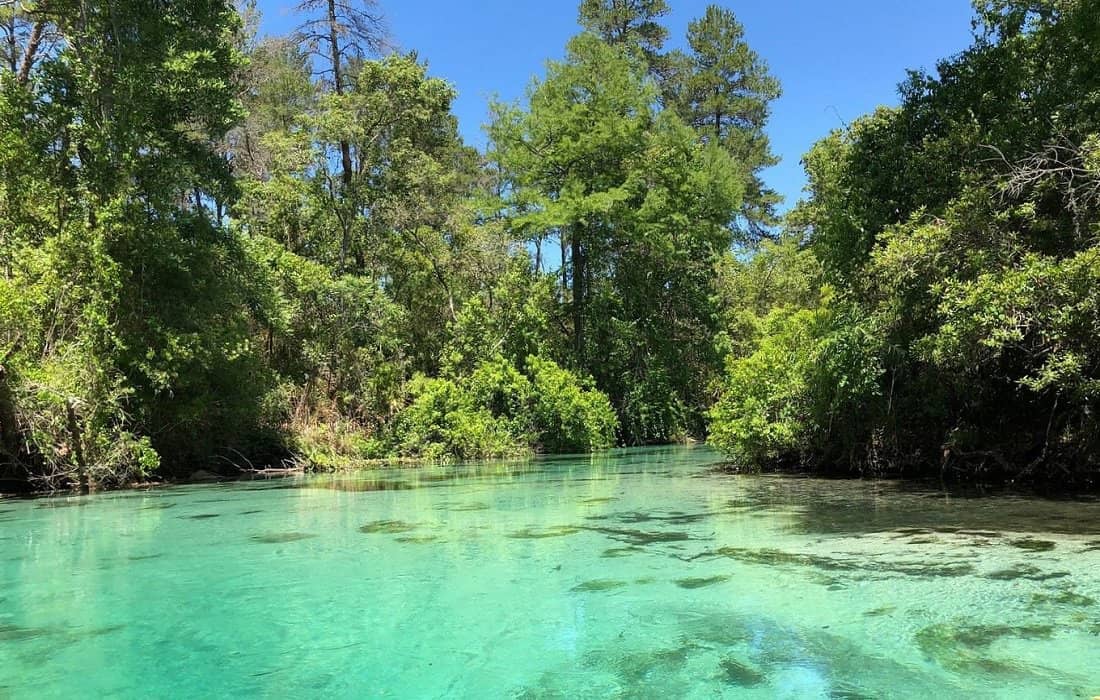
Access To Florida Springs
Five government agencies manage these bodies of water. Four water management districts serve the Florida Springs region, the first being the Florida Department of Environmental Protection.
Some are state-run and state parks. Some are private; some are neither and are remote.
The Legality of Accessing Florida Springs
Aside from who should have the right to visit Florida’s springs, one of the biggest debates is whether you can access them when the surrounding land is privately owned. And by right to see, I mean native Floridians who oppose the sharing of any spring. The argument is that they are not for tourists, non-locals, or non-natives – oh, the irony! We pay no state income tax due to tourism. Regardless, here are the legal facts about accessing Florida’s springs:
Can a landowner block public access to a spring legally? What constitutes “Navigable Waters” depends on the definition. The state of Florida holds the right to a waterway if it is navigable. § 329.14 Determination Of Navigability(a) Effect on determinations. Although conclusive determinations of navigability can be made only by federal courts, determinations by federal agencies carry substantial weight with the courts.
Therefore, when jurisdictional questions arise, district personnel must carefully investigate those waters subject to Federal regulatory jurisdiction under the guidelines set out above, as the resulting determination may substantially impact a judicial body. Official decisions made by an agency in the past may be revised or reversed as necessary to reflect changes in rules or interpretations of the law.

A person needs to consider whether, in 1845, the year Florida became a State if the waterway was potentially useful for public commerce or recreation. If so, absent additional considerations, title to the waters (including the land up to the high mean waterline) is vested in the State and NOT the property owner. ( https://www.theclosingagent.com/waterrights/ )
You can study up for yourself, but in layman’s terms, it boils down to this:
Unless the owner of the land surrounding the spring can prove that the sovereign land of Florida above and beneath the spring is not a navigable waterway, you have every right to navigate and enjoy the spring. However, you cannot access the land.
Florida Spring Etiquette
Florida Springs Etiquette – Leave No Trace Behind
It’s everyone’s right to visit Florida Springs. However, we all have a moral duty to leave them as we found them or better for others to enjoy. Here are some simple steps to ensure that our springs are kept pristine:
- Plan Ahead & Prepare: Know regulations (like springs protection zones), check the weather, and have appropriate gear.
- Travel & Camp on Durable Surfaces: Stick to trails; avoid creating new paths.
- Dispose of Waste Properly: Pack out everything (trash, food scraps, cigarette butts).
- Leave What You Find: Take photos, not plants, rocks, or shells.
- Minimize Campfire Impacts: Use designated rings and ensure fires are cold and out.
- Respect Wildlife: Observe from a distance; do not feed animals.
- Be Considerate of Others: Keep noise down and remove all personal items (chairs, toys, kayaks) daily.
Specific Florida Springs Actions
- In the Water: Don’t stand on vegetation or kick up silt; use mushroom anchors instead of hooks; trim boat motors in shallow areas; avoid landing boats on banks.
- On Shore: Fill holes in the sand; don’t climb trees or use rope swings.
- Boating: Turn off propellers when waiting for swimmers to pass to protect vegetation and wildlife.
Go The Extra Mile
- Pick up any trash others left
- Report any violators
- Report any distressed wildlife
Now that you know the etiquette of visiting Florida Springs, you can jump to the section on all the springs I’ve written about, which includes everything you need to know about the spring, including the location.
Magnitude Types of Florida Springs: A Clear Guide to Classification and Importance
You’ll quickly grasp that spring “magnitude” measures how much water a spring discharges each day, and that Florida sorts springs into categories from first magnitude (the largest) down through smaller classes. First-magnitude springs discharge at least 100 cubic feet per second and drive the state’s most visible springscapes, while lower magnitudes mark progressively smaller but still ecologically essential flows.
As you learn more about Florida Springs, you’ll see how those categories translate to real places, from well-known giants like Wakulla and Silver Springs to numerous smaller springs scattered across the state. You’ll also learn why magnitude matters for recreation, wildlife habitat, and conservation planning, so you can judge the significance of any spring you visit or study.
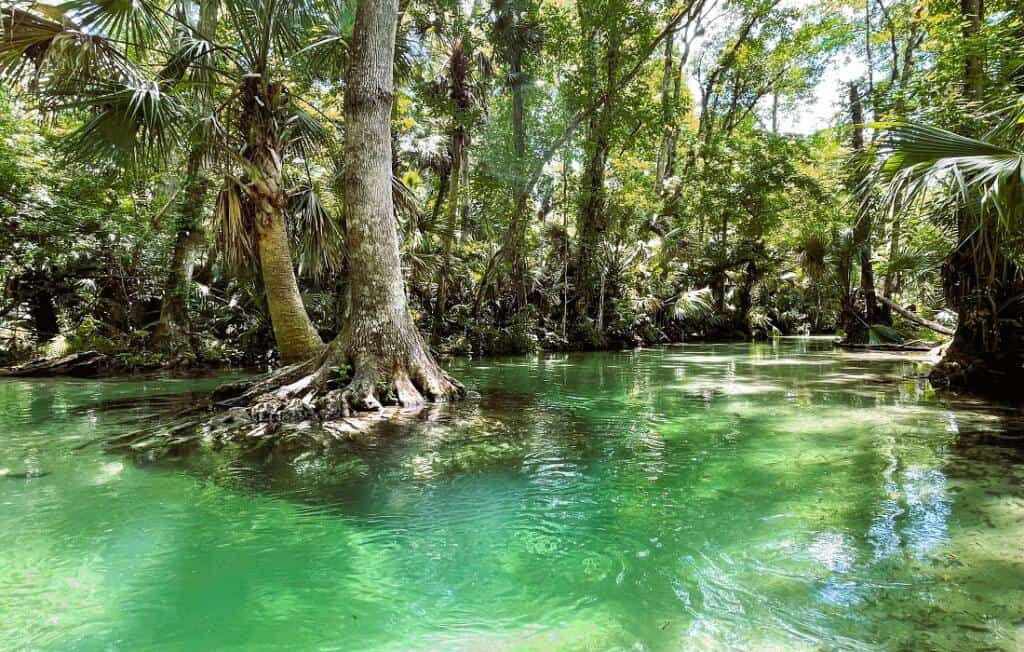
Overview of Magnitude Types of Florida Springs
Florida springs are classified by the volume of water they discharge, the historical record of that flow, and standardized thresholds that determine a spring’s magnitude. You will find specific discharge ranges, how those categories developed, and the rules agencies use to rank springs.
Definition of Magnitude Types
Magnitude types assign a numeric class to a spring based on average daily discharge measured in gallons per day (gpd). A first‑magnitude spring discharges at least 64 million gallons per day (about 100 cubic feet per second). Each lower magnitude represents roughly a tenfold decrease in typical discharge (second magnitude ≈ 6.4–63.99 million gpd, third magnitude ≈ 0.64–6.39 million gpd, and so on).
You should expect these categories to be practical thresholds used by hydrologists. They simplify comparisons of spring sizes and help prioritize monitoring, protection, and public interpretation. The magnitude label describes long‑term average flow, not short‑term fluctuations from storms or droughts.

Historical Classification System
The magnitude system dates back to early-20th-century hydrology and has since become a standard for comparing springs worldwide. Scientists used measured or estimated average discharges to create discrete magnitude bins that are still in use today. In Florida, this system gained prominence because the state contains a uniquely large number of high‑flow springs.
You will see references to “historic first‑magnitude springs” in state law and technical reports; that term denotes springs that historically averaged first‑magnitude discharge, even if present flows have changed. Agencies and researchers maintain lists based on the best available long‑term records and geological surveys.

Criteria for Ranking Springs
Ranking is based on measured average discharge, the length and reliability of the record, and, in some cases, hydrologic context (spring groups or river rises). Agencies use long‑term flow data—typically multi‑year averages—from gauging stations or hydrologic studies to determine magnitude. When direct measurements are unavailable, estimates are derived from tracer tests, dye studies, or watershed and aquifer modeling.
Key criteria you should note:
- Measured average daily discharge (primary criterion).
- Historical records and the period of record are used to compute averages.
- Classification of grouped springs or river rises collectively when vents function as a single discharge source.
These criteria ensure consistency across listings and inform management decisions, including protection designations and water‑resource planning.
Florida Spring Magnitude Categories
You’ll find springs classified by the volume of water they discharge, which affects ecosystem support, water supply value, and recreational use. The following categories describe typical flow ranges, management priorities, and what to expect at each spring type.
First Magnitude Springs
First magnitude springs discharge at least 64 million gallons per day (about 100 cubic feet per second). These are the largest springs in Florida and often form large spring runs, persistent pools, or clear groundwater-fed rivers that support diverse aquatic habitats.
You can expect strong, steady flows that historically defined many “Outstanding Florida Springs.” They frequently sustain year-round baseflow in downstream rivers and are focal points for water resource management, recreation, and tourism.
Management and protection priorities for these springs include monitoring long-term discharge, controlling nutrient inputs to prevent algal growth, and preserving groundwater recharge in the surrounding aquifer. Ownership and public access vary; some are within state parks, while others are privately held.

Second Magnitude Springs
Second magnitude springs discharge between 10 and 100 cubic feet per second (about 6.4 to 64 million gallons per day). These springs are standard in Florida and collectively contribute a significant portion of the state’s total springflow.
You’ll often find second-magnitude springs forming smaller runs or sizable pools that still support fish, submerged vegetation, and recreational activities such as swimming and kayaking. Flow can be more variable seasonally and in response to changes in groundwater levels.
Management focuses on maintaining adequate aquifer recharge and reducing contaminants from nearby land use. Because many second-magnitude springs are numerous and dispersed, you should watch both local watershed practices and broader groundwater withdrawals that influence their flow.

Third Magnitude Springs
Third magnitude springs discharge between 1 and 10 cubic feet per second (about 0.64 to 6.4 million gallons per day). These springs typically create modest pools or small runs and can be sensitive indicators of local groundwater conditions.
You’ll notice greater variability in flow and water clarity compared with higher-magnitude springs. Third-magnitude springs often support localized wetlands and provide critical habitat for amphibians, invertebrates, and aquatic plants.
Protection priorities include preventing localized pollution and preserving nearby recharge areas. Small changes in pumping or land use can significantly alter flow or water quality, making these springs useful early-warning sites for aquifer health.
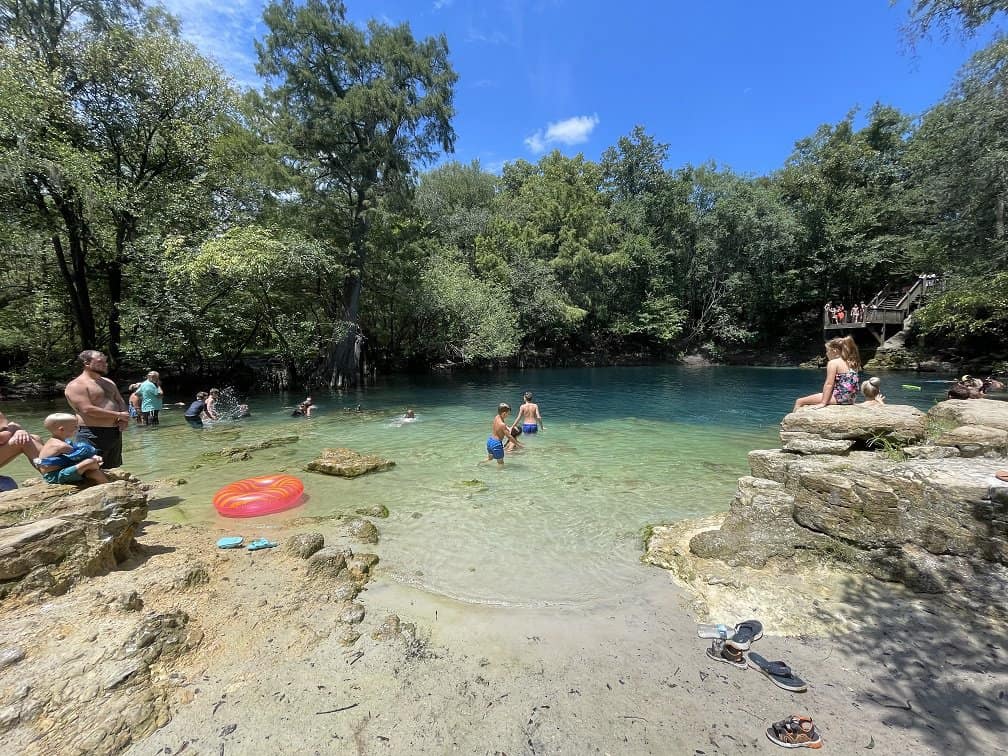
A great example of a third-magnitude Florida Spring is Royal Springs, Florida:
Lower Magnitude Springs and Variations
Lower magnitude springs include fourth through sixth magnitude springs and more minor seeps, discharging less than 1 cubic foot per second. These features range from intermittent seeps to small perennial vents and often occur in clusters or as part of larger spring complexes.
You’ll encounter high sensitivity to seasonal rainfall and groundwater extraction. Many lower-magnitude springs are submerged or hidden in marshes and can be easily overlooked during surveys, yet they collectively influence local hydrology and ecosystems.
Variations include historically assigned magnitudes, which use pre-2001 median flows, and grouped spring vents reported as a single value.
Distribution and Examples of Florida Springs by Magnitude
You will find Florida springs grouped by discharge magnitude, with the largest clustered in a few river systems and many smaller springs scattered across the Floridan Aquifer—examples below show where first- and second-magnitude springs concentrate and which geologic factors control their locations.
Major First-Magnitude Springs in Florida
First-magnitude springs discharge at least 100 cubic feet per second (about 65 million gallons per day). You can visit well-known first-magnitude springs such as Silver Springs, Wakulla Spring, Weeki Wachee, Rainbow Springs, and Ichetucknee Springs. These springs supply large continuous flows to rivers and are often focal points for recreation and conservation.
- Silver Springs (Marion County): large, precise flow feeding the Silver River.
- Wakulla Spring (Wakulla County): one of the deepest and most voluminous, feeding the Wakulla River.
- Weeki Wachee (Hernando County): strong perennial discharge into Weeki Wachee River.
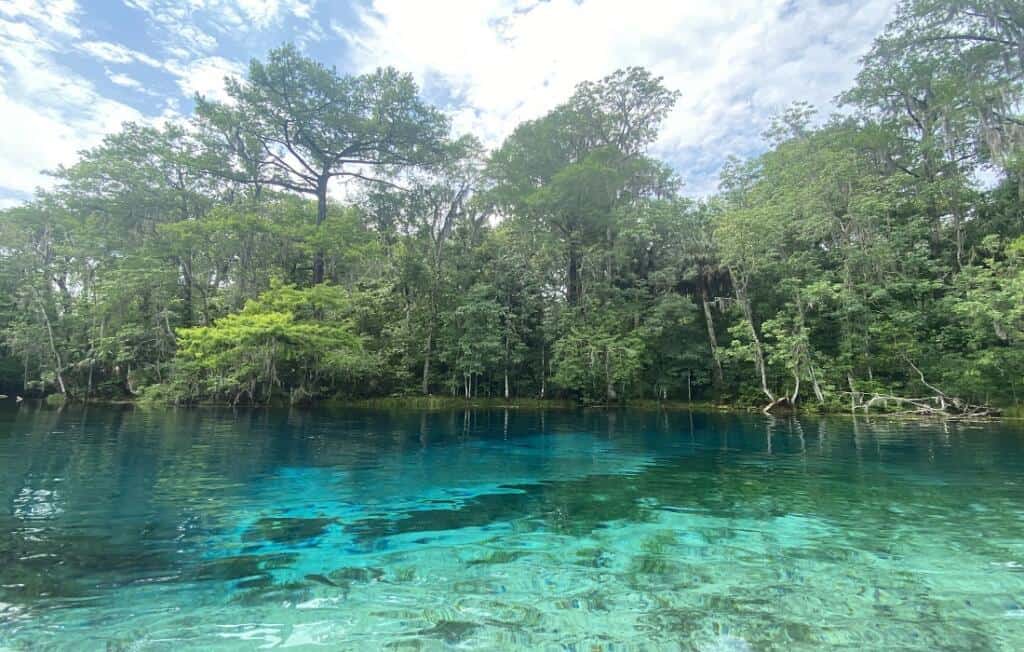
First-magnitude springs account for a substantial share of Florida’s spring water by volume, so changes in their flow affect downstream river systems and habitats. Many are on public or protected lands to safeguard water quality and access.
Significant Second-Magnitude Springs
Second-magnitude springs discharge between 10 and 100 cubic feet per second. You will encounter many significant recreation and ecological springs in this class, including numerous springs that form riverheads, spring runs, and wetland complexes.
Examples include:
- Blue Spring (Volusia County): seasonal attraction for manatees and swimmers.
- Silver Glen Springs (near Ocala): steady flow and notable clarity.
- Ginnie Springs (Gilchrist County): popular for tubing and diving, with a substantial but smaller discharge than that of first-magnitude springs.
Second-magnitude springs often serve local water needs, support spring runs that feed larger rivers, and maintain cooler aquatic habitats. Their flow is more sensitive to local groundwater withdrawals and land-use changes than that of the largest springs.

Ecological Significance of Florida Springs Magnitude
First- and second-magnitude springs supply the largest, most stable baseflows to rivers and springsheds, so they sustain downstream flow during dry seasons and droughts. Those constant flows keep water temperatures steady, and support submerged aquatic vegetation, sturgeon, manatees, and specialized invertebrates that depend on clear, cool water.
Smaller springs still matter because clusters of second- and third-magnitude vents can create localized refugia for fish and amphibians. Nutrient loads and groundwater pressure vary significantly, so you can expect water clarity and algal risk to change with flow class. The management plan, therefore, targets first-magnitude systems for broad ecosystem protection while addressing smaller springs to maintain habitat mosaics.
Florida Springs Brit on the Move™ Has Explored:
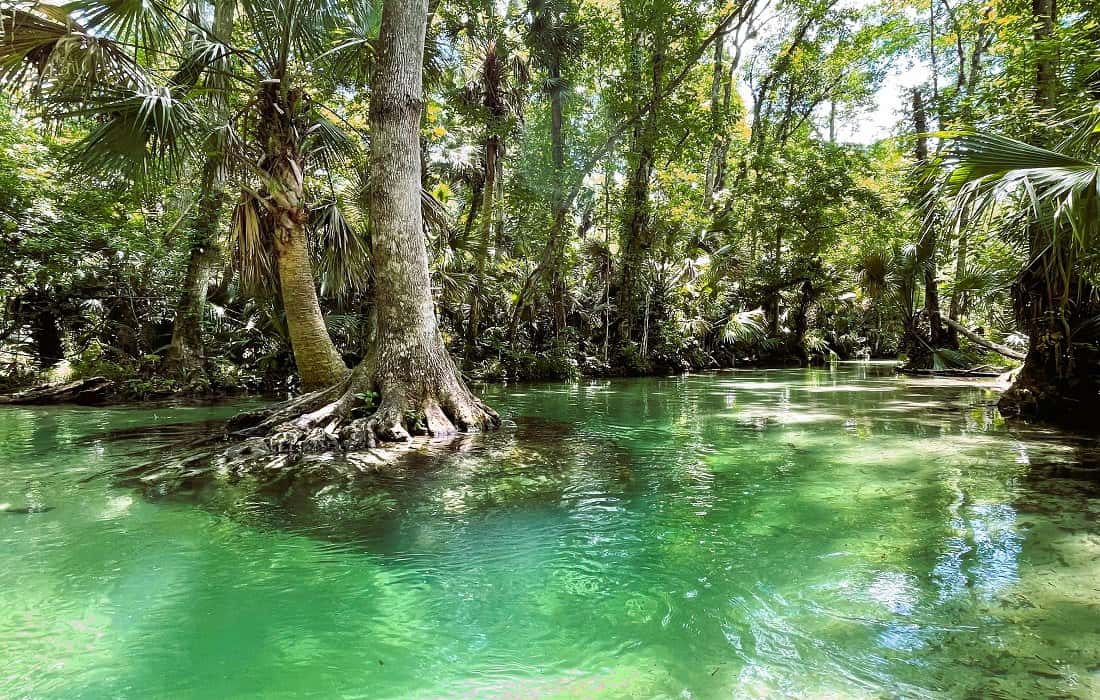
Most people don’t even realize that you can stay inside Kings Landing. And, inside, I mean behind the closed gates of one of Central Florida’s best-kept secrets. You can and don’t have to tent it unless your heart is set on camping. Kings Landing has five cabins available for rent. Here are the ten reasons…
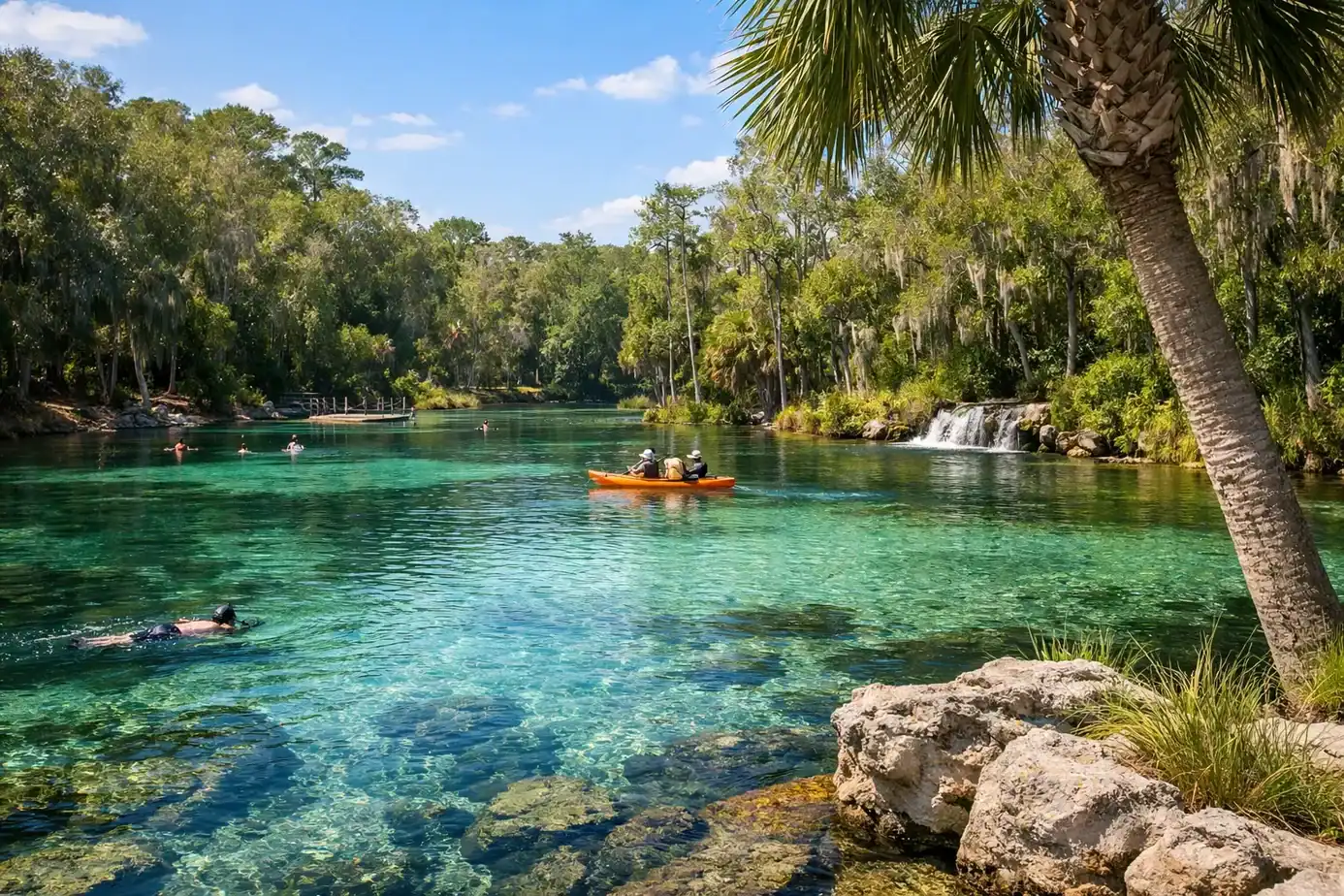
Planning a spring trip? These florida freshwater springs offer clear water, paddling, swimming, and smart tips for a budget-friendly escape.

Plan a florida springs day trip with smart picks, budget tips, and the best springs for swimming, kayaking, and easy road trips in Florida.
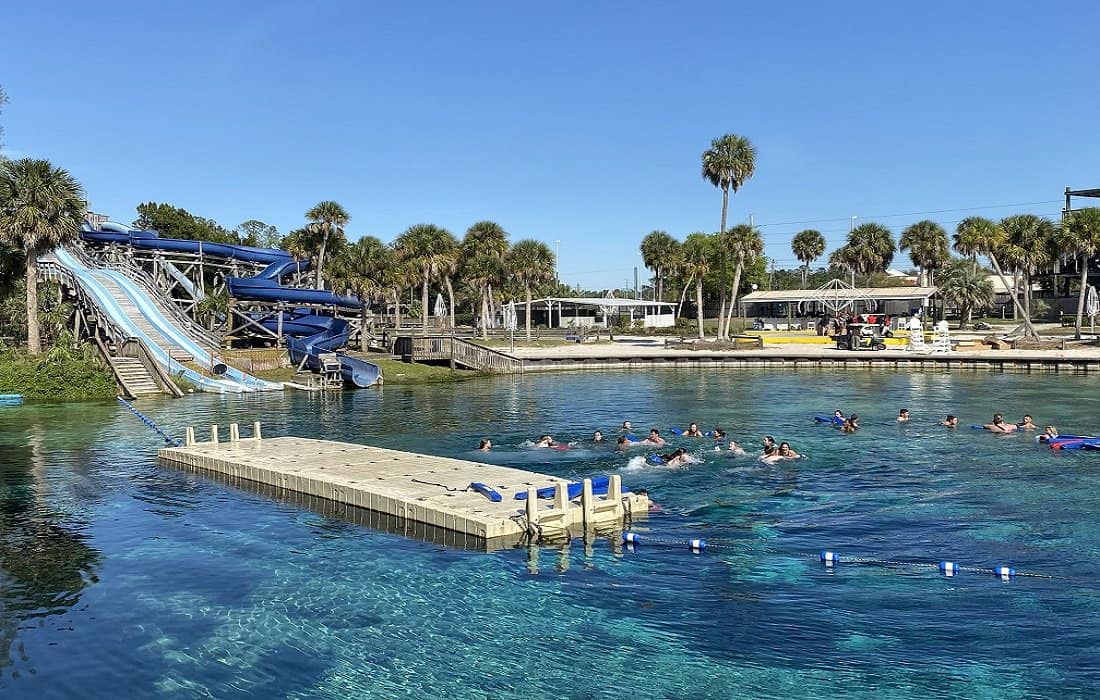
In addition to mermaid shows, riverboat cruises, and wildlife exhibits, Weeki Wachee Springs is one of Florida’s most unique family destinations, and it is to Buccaneer Bay Water Park. A great water park providing a perfect summertime activity. Buccaneer Bay Water Park, Florida’s only spring-fed waterpark, is included in the price of admission to Weeki…
Continue Reading Buccaneer Bay Water Park: Weeki Wachee Spring’s Beloved and Thrilling

You can visit Convict Spring at the Suwannee River Rendezvous campground near Mayo, Florida, to swim, explore shallow water, and learn about its underwater cave system and convict camp history. The spring sits on private campground land with century‑old oaks, direct access to the Suwannee River, and cave passages that drew early divers and historical interest.…
Continue Reading Captivating Convict Spring, Florida: The Rich History & Enchanting Attractions

Crab Creek Spring is a hidden gem along the Chassahowitzka River. It is known for its serene beauty and unique underwater features. Accessible only by watercraft, this spring is perfect for those seeking tranquility away from more crowded locations. The area is surrounded by private land and a large private home, once home to the…
Continue Reading Crab Creek Spring On The Chassahowitzka River: A Hidden Gem for Nature Enthusiasts

Crystal River is one of Florida’s most distinctive coastal destinations. Located on the Nature Coast about 90 minutes north of Tampa, it combines freshwater springs, the Gulf of Mexico, wildlife, historic sites, fishing, boating, kayaking, scalloping, seafood, and a surprisingly charming downtown. What makes Crystal River particularly special is Kings Bay, a spring-fed estuary that…
Continue Reading Crystal River, Florida: The Enchanting Manatee Capital of the World
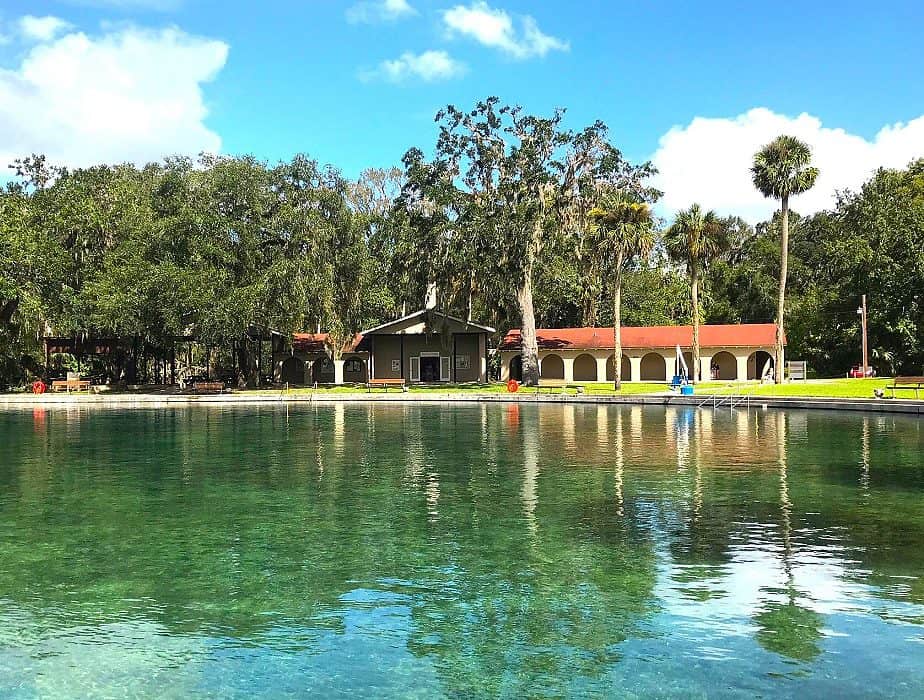
De Leon Springs State Park in Florida has become the most popular place in this tourist-packed state. This State Park is one of the most beautiful and exciting places you can visit in the U.S. Before we get into the details of why you should visit, let’s clear up the naming! Officially, the park’s name…
Continue Reading De Leon Springs – And The Wonderful Old Sugar Mill Pancake House

Eagles Nest Sinkhole in Florida is famous among cave divers worldwide. Often referred to as the Mount Everest of cave diving, this sinkhole has more to offer than scuba diving. You’ll confront a deceptively calm pool that hides a deep, complex cave system known for its beauty and danger. Eagle’s Nest Sink sits inside Chassahowitzka Wildlife…
Continue Reading Eagles Nest Sinkhole: A Wonderful And Iconic Sinkhole

Surprisingly, you don’t hear many people raving about Fanning Springs. I was aware of it on maps before visiting, but I don’t recall anyone ever sharing their experience or touting this magical spot. Given that it is on the Suwannee River, it often “browns out” when the water rises, which could deter people. Yet, even…
Continue Reading Fanning Springs: The Ultimate Visitor’s Guide to an Unforgettable Day Out
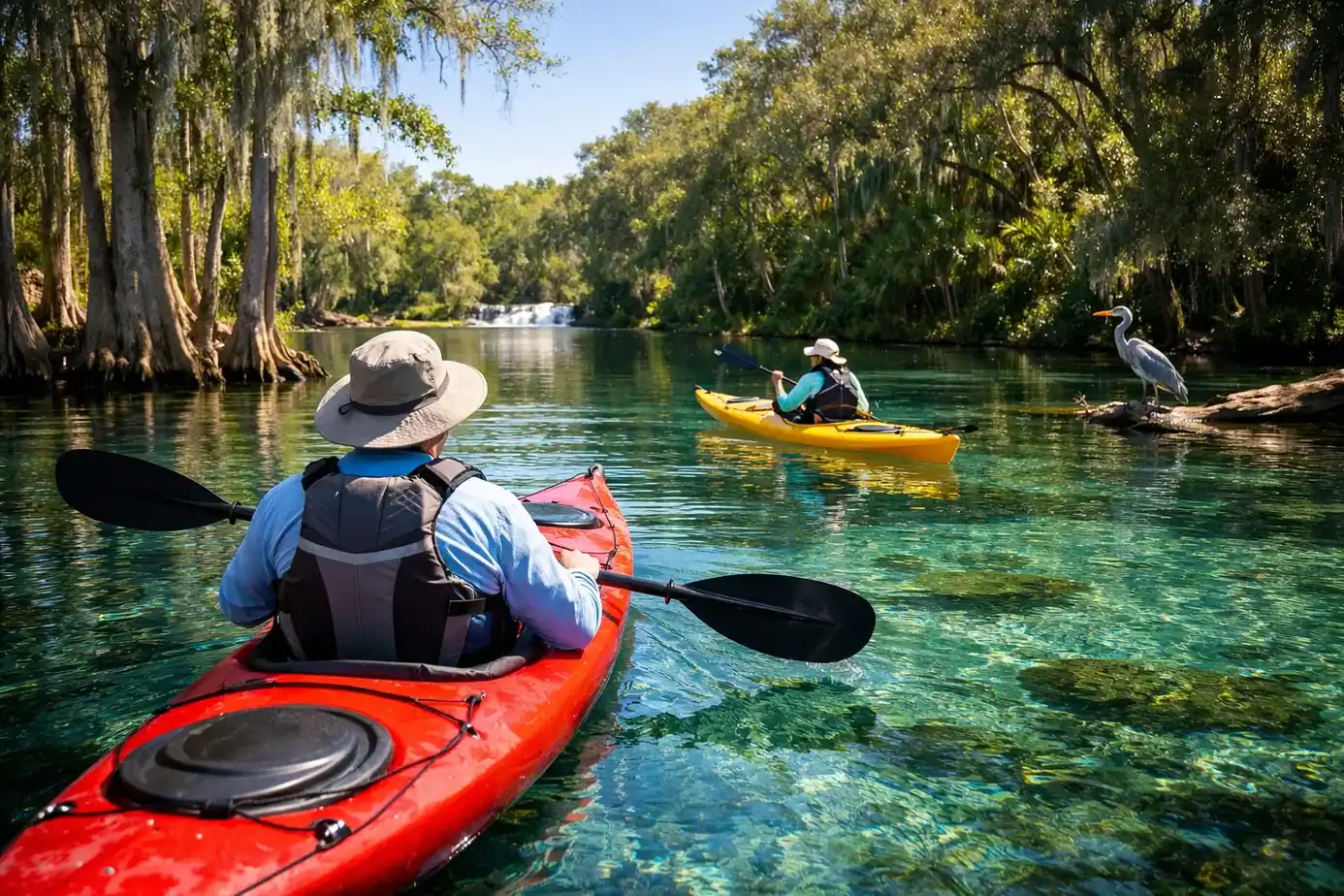
Plan a low-stress paddle with this Florida springs kayaking guide, covering clear-water routes, launch costs, wildlife, timing, and what to pack safely.
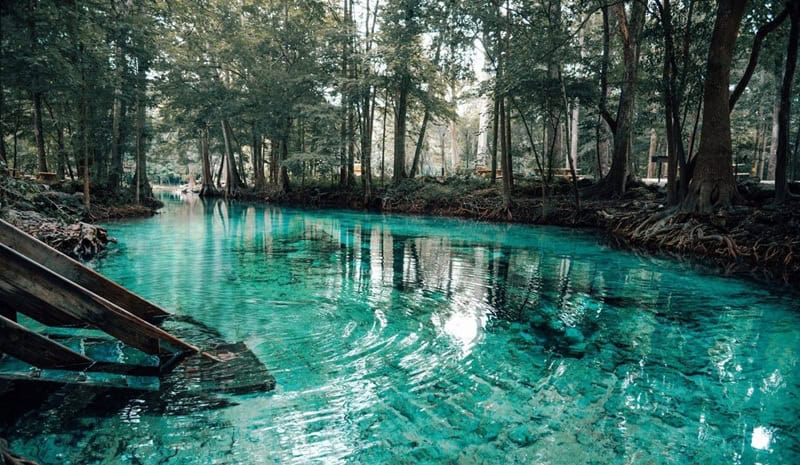
Whenever I see content related to Ginnie Springs, I automatically roll my eyes. Aside from the fact that it’s probably the most publicized spring in Florida and potentially the most well-known, it is my least favorite of all – and by a long shot. I know that those who love Ginne Springs will violently disagree,…
Continue Reading Ginnie Springs: The Most Overhyped Springs and Why I Strongly Dislike Them

Hightower Spring has got to be one of the most remote, ecleptic, and unusual springs in Florida. Totally unmanaged, remote yet accessible by river and road, this spring should be on any spring hunter’s list. The recognizable log that divides the river from the spring looks like a snake with a peacock’s head. It’s a…
Continue Reading Hightower Spring: One Of Florida’s Most Enigmatic Hidden Gems
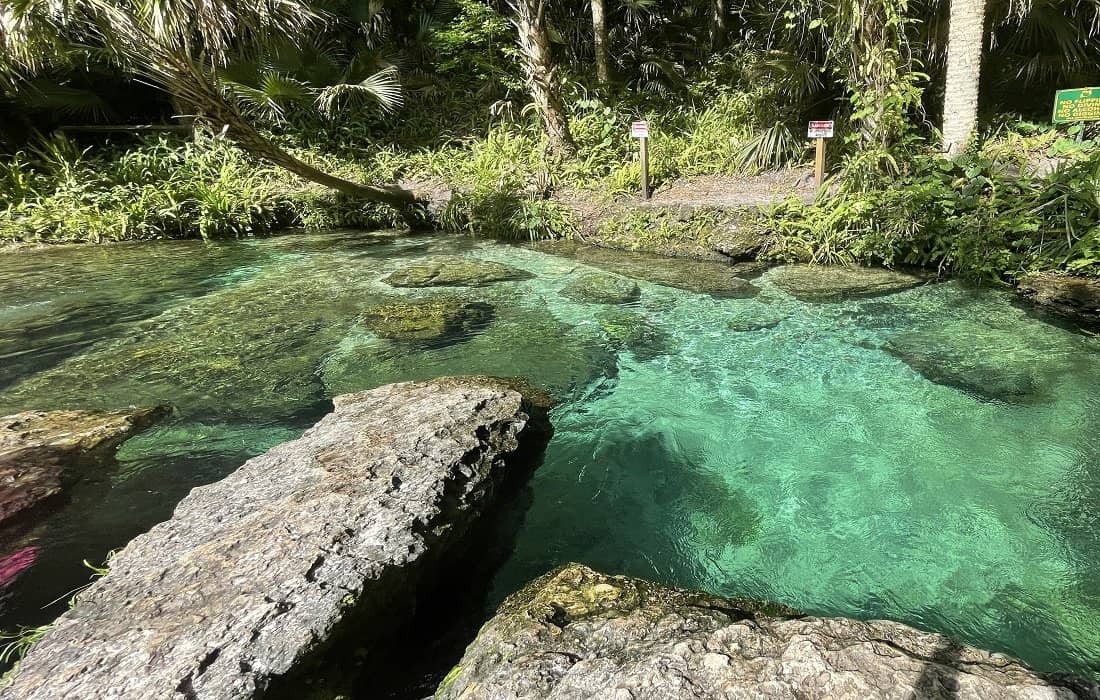
Florida is a nature explorer’s heaven. While there’s a lot of wildlife in the region, it doesn’t come without the natural parks where they live. And many of those parks are home to springs. There are almost 900 springs throughout Florida, and one of the best just so happens to be Kelly Park at Rock…
Continue Reading Kelly Park At Rock Springs – The Ultimate Guide to an Enjoyable Adventure
If you want to explore some of Florida’s most stunning scenery, then Kings Landing, Florida, should be high on your list of places to visit. Numerous theme parks and attractions attract tourists from all over the world to Orlando. Nevertheless, Central Florida offers plenty of other things to do that are as exciting as theme…
Continue Reading Kings Landing, Florida, and the Legendary Emerald Cut

You can step into a slice of classic Florida where a first-magnitude spring pours clear, cool water into the Suwannee River and wintering manatees gather along the run. If you want easy access to swimming, snorkeling, hiking, wildlife viewing, and a boardwalk through a cypress forest—all within a compact state park—Manatee Springs delivers. It also has…
Continue Reading Magical Manatee Springs Park: A Tranquil Paradise Awaits

When I tell most people about the Mermaids of Weeki Wachee Springs in Florida, I am met with raised eyebrows. The Mermaids of Weeki Wachee Springs underwater extravaganza only takes place at Weeki Wachee Springs! Typically, people think I am talking about a theater-style Broadway show, and most assume I mean a show about Disney’s…
Continue Reading Mermaids Of Weeki Wachee Springs – An Extraordinary Show Only In Florida!

Mud Springs, Florida, is an easy way to experience a quiet spring within Welaka State Forest. Hidden out of sight, known by few and yet absolutely stunning. It’s a small spring and relatively untouched, but it’s a favorite of mine. I love all of Florida’s springs; each is completely different. My favorites are always the…
Continue Reading Mud Springs, Florida: Discover This Hidden Gem!

Orange Grove Sink is a popular diving spot located in the Wes Skiles Peacock Springs State Park, about 25 minutes south of Live Oak. The park features several cave openings, but Orange Grove Sink is the only one open to recreational divers. It is an excellent place for cavern and cave diving, open-water diving, and…
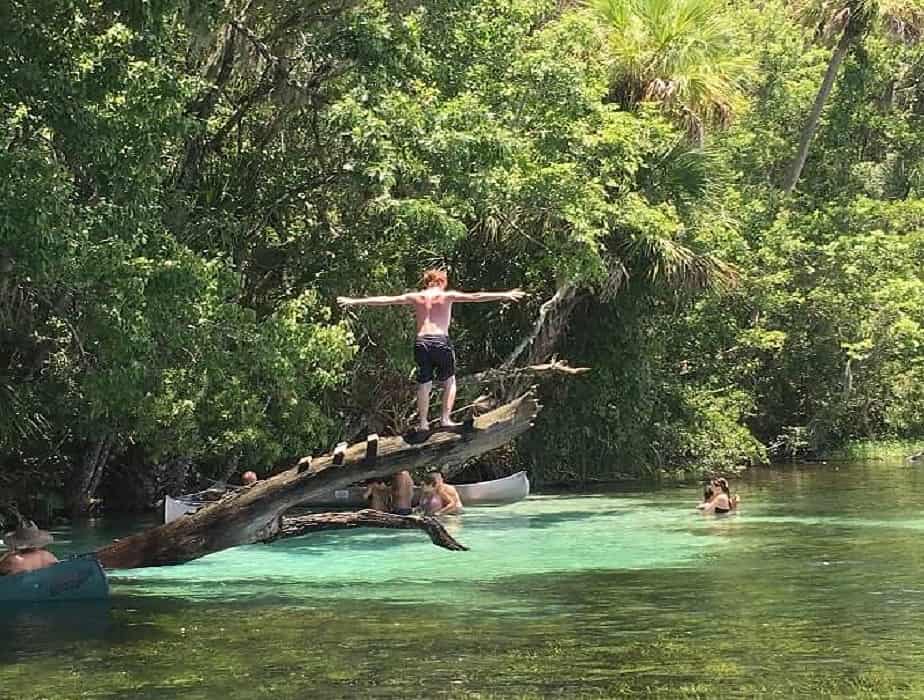
I was somewhat reluctant to write this article because the Rainbow River Florida is unlike anything you will ever experience. It is not full of tourists, nor is it full of city slickers. It is a natural, old-fashioned watering hole where people tube the river, drink beer, connect tubes, drag their stash in a cooler,…
Continue Reading Rainbow River Florida – Top 10 Incredible Reasons Why You Must Visit
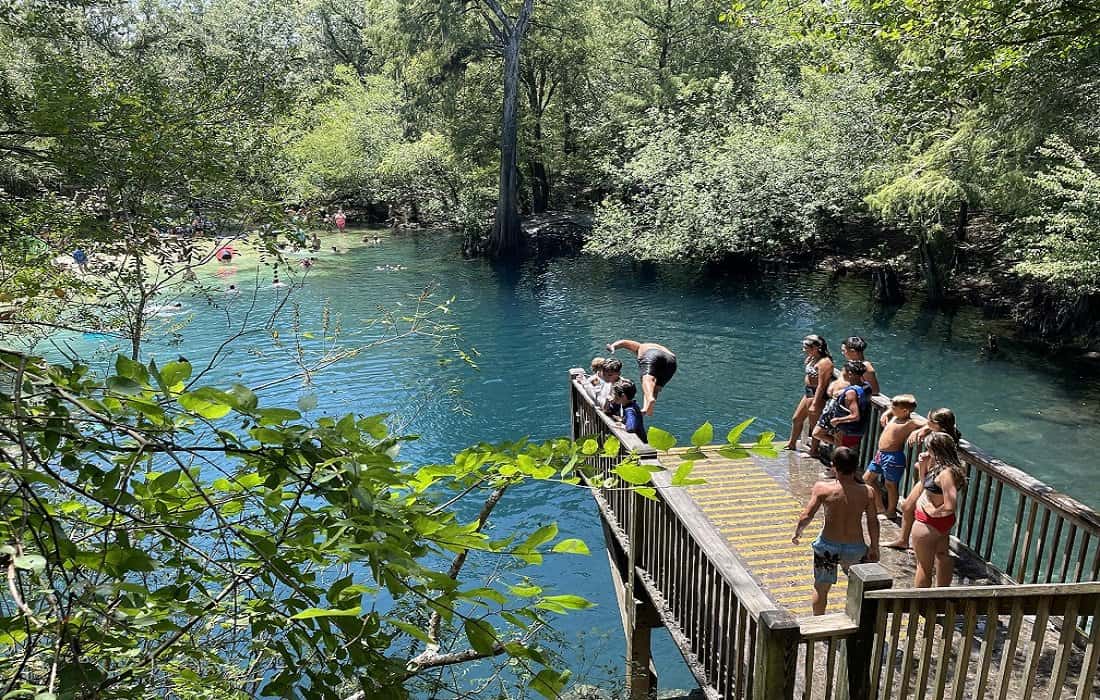
Royal Springs Park is a five-acre park in Suwannee County near O’Brien, Florida. Swimming and diving are two of the most popular activities in the park. It is a hidden treasure in the area that many people are unaware of. Royal Spring is a free spring; you pay $5 to park, and locals are the…
Continue Reading Royal Springs – Suwannee County’s Hidden Gem

Ruth Spring in Florida is a spring few people know about. If you do a quick Google search, the results will tell you that spring is closed. It’s not! And you can validate this on the state’s website! It’s open for all to enjoy. The best part, it’s free! Ruth Spring is not the most…
Continue Reading Ruth Spring Florida: A Special Treat for Spring Enthusiasts

If you want a clear sense of what Seminole Spring is and why it matters, start with this: Seminole Spring is a natural freshwater spring system in Lake County, Florida, made up of multiple vents and ravines that produce clear, life-supporting water and offer easy access for recreation and observation. Privately owned and inaccessible by navigable water,…
Continue Reading Seminole Spring: The Tranquil Heart-Shaped Spring With Secrets

Seven Sisters Springs on the Chassahowitzka River, not to be confused with Three Sisters, is by far one of my favorites. Not only is it in my backyard, absolutely gorgeous, but it’s an amazing spring to spend an afternoon. There’s a certain vibe about Seven Sisters Springs that invites you to relax. I’ve spent many…
Continue Reading Seven Sisters Springs On The Chassahowitzka River: The Most Exquisite Springs
Silver Glen Springs is one of Florida’s most popular and well-known springs. It is a massive spring of crystal-clear water frequented by many snorkelers and boaters. It is located in the Ocala National Forest. Accessible from the Silver Glen Run off of Lake George, this spring is a local favorite, and here’s why! This post…
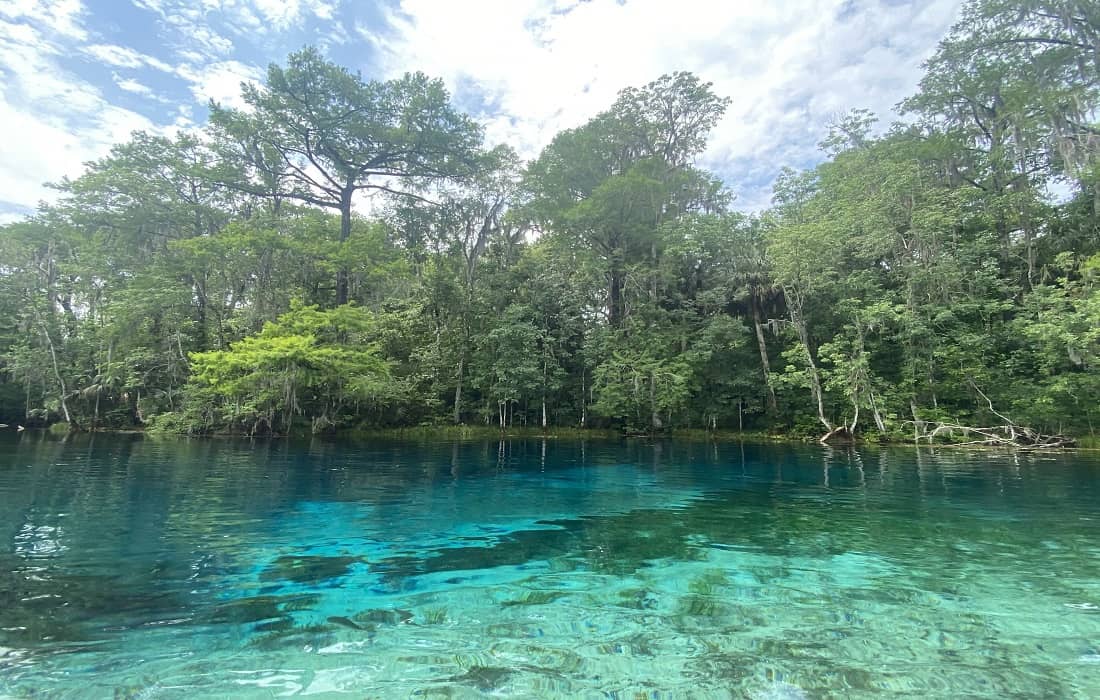
There are endless springs and natural parks in Florida, perfect for escaping the daily grind, clearing your head, and decompressing. Silver Springs State Park in Florida is one that many cherish. It’s famous for the wild monkeys that live in the Ocala National Forest and glass-bottom boat rides in the spring. This post may contain…
Continue Reading Silver Springs State Park Florida – One Of Florida’s Most Famous Springs

Sulfur Spring in Welaka State Forest is one of those jewels that you just sort on land on by accident. Every time I talk to people about my fascination with springs, they ask me if I know any remote ones. I know hundreds, but this one was an added bonus from my visit to Mud…
Continue Reading Sulfur Spring in Welaka State Forest: Discover a Refreshing Natural Wonder
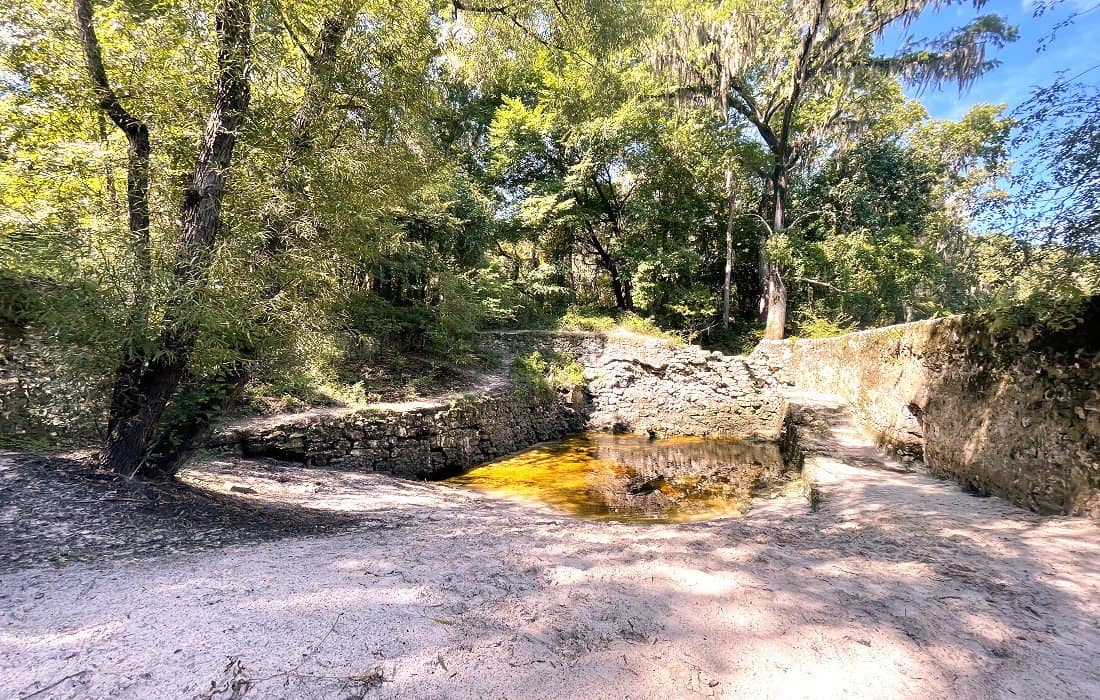
The natural springs of Suwannee Springs, formerly known as Suwannee Sulfur Springs, are located in Suwannee Springs, Florida, not far from Live Oak. Suwannee Springs was once a popular tourist destination and hotel. The Suwannee River Water Management District is currently responsible for its administration. While it might not be one of the most visually…
Continue Reading Suwannee Springs, Florida – The Oldest Spring in Florida

Telford Spring is a popular destination for cave diving and swimming in North Florida. It is located off State Route 51 among the many beautiful springs along the Suwannee River. The spring was once surrounded by private land. It officially opened to the public in April 2002, but could only be accessed legally from the…
Continue Reading Telford Spring: A Natural Wonder On The Suwannee River

The Devils Den Spring – a Prehistoric Spring is something most Floridians know about. A couple of years ago, a spree of promotional videos captivated the imagination of anyone who did not know about this spring. If you’ve seen any of those videos or pictures like me, you probably wonder what it’s like to visit.…
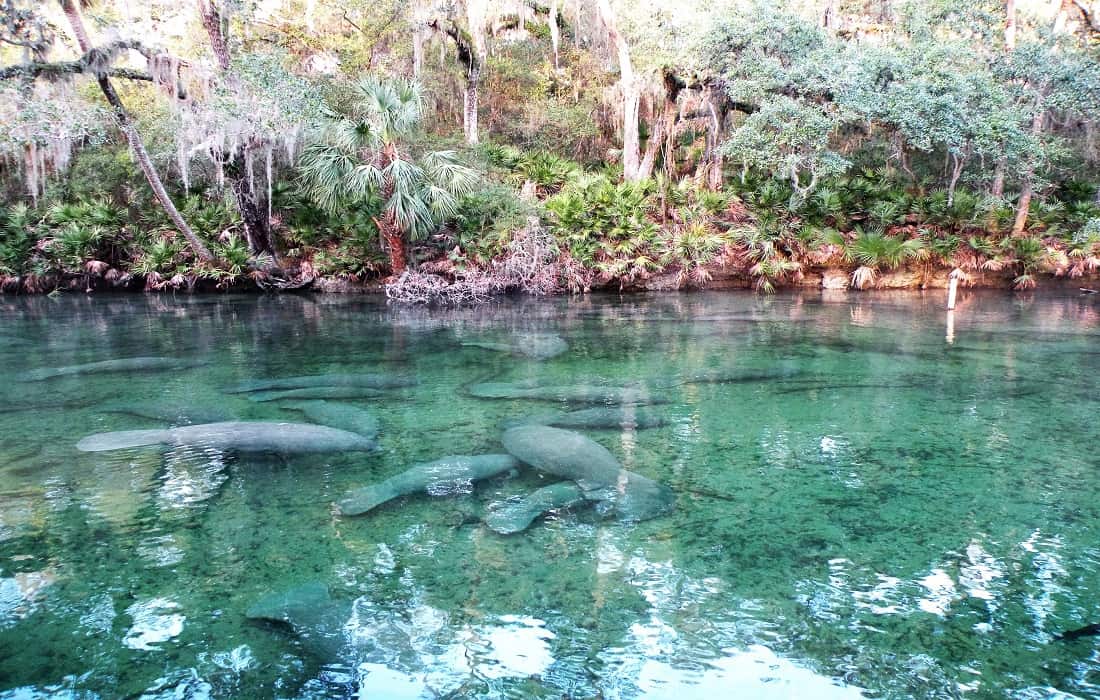
Blue Spring State Park in Florida, not to be confused with Ruth B. Kirby Gilchrist Blue Springs, is the first spring I ever swam in. It’s also the first place where I saw a manatee. Blue Spring State Park will always hold a special place in my heart, as many of my summer days have…
Continue Reading The Insider’s Essential Guide to Experiencing Blue Spring State Park in Florida

Three Sisters Springs in Crystal River offers one of the clearest windows into Florida’s coastal springs and its wintering manatees. If you want a compact, accessible place to see manatees in warm, crystal-clear water and walk a scenic boardwalk through protected habitat, Three Sisters Springs delivers that experience. This post may contain affiliate links. Please read…
Continue Reading Three Sisters Springs Wildlife Refuge – Crystal River
Troy Springs State Park is a beautiful and historic destination in north Florida. The park is named after the first-magnitude spring, which is its centerpiece. It has been a popular swimming and diving spot for generations. The crystal-clear spring waters are perfect for cooling off on a hot summer day, and the park offers a…
Continue Reading Troy Springs: A Guide to Florida’s Stunning Natural Wonder
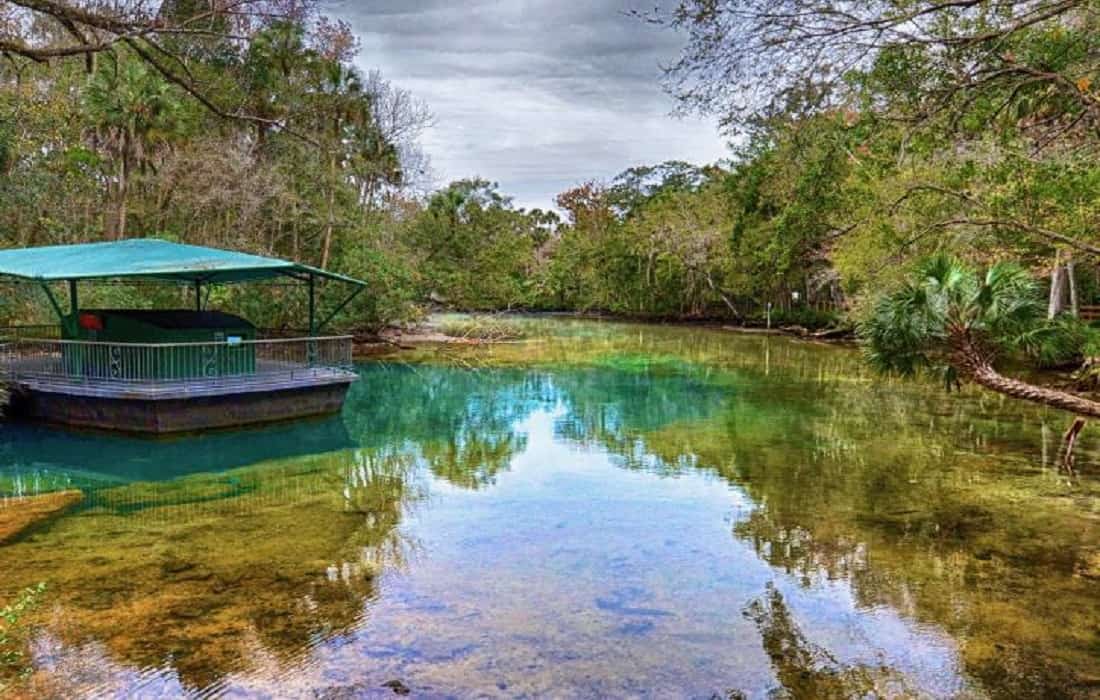
Homosassa Springs is well known to most people in Florida. The town of Homosassa is considered by many to be the scalloping capital of Florida. And, many folks will tell you it’s the manatee capital of Florida. Homosassa is indeed famous for both, but the neighboring town of Crystal River also claims these accolades. Regardless,…
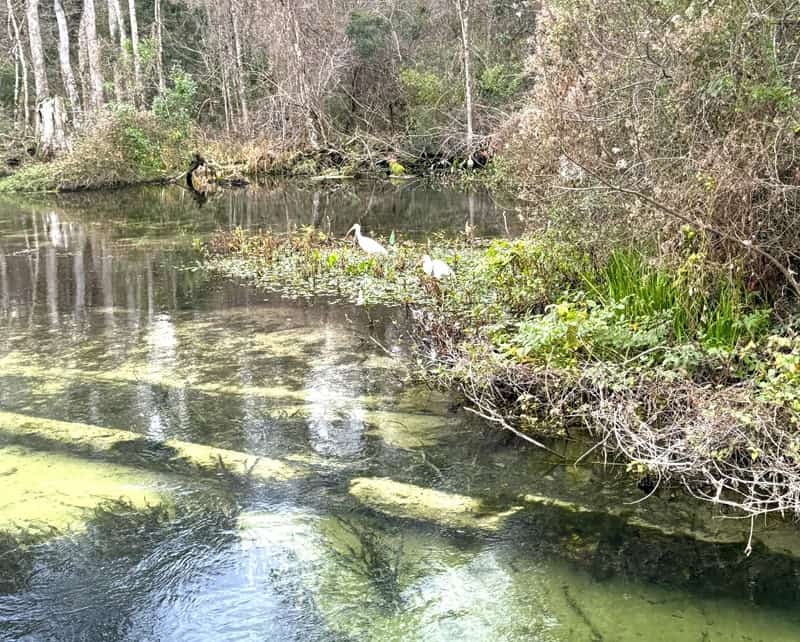
Wakulla Springs is one of the most untouched waterways and springs in Florida. Wakulla Springs, as part of Edward Ball Wakulla Springs State Park, is managed by the Florida State Parks system and is one of the few springs accessible only through the park. Even though this spring is connected to the Wakulla River, which…
Kayaking Weeki Wachee Springs is one of Florida’s most fantastic kayak routes. The water here is as clear as it gets, the river is loaded with wildlife, and it’s a throwback to a slower pace of life. Manatees are a given; you’ll encounter herds of them. Gators are a possibility, and you might even see…
Continue Reading Weeki Wachee Springs – One Of Florida’s Most Stunning River Runs
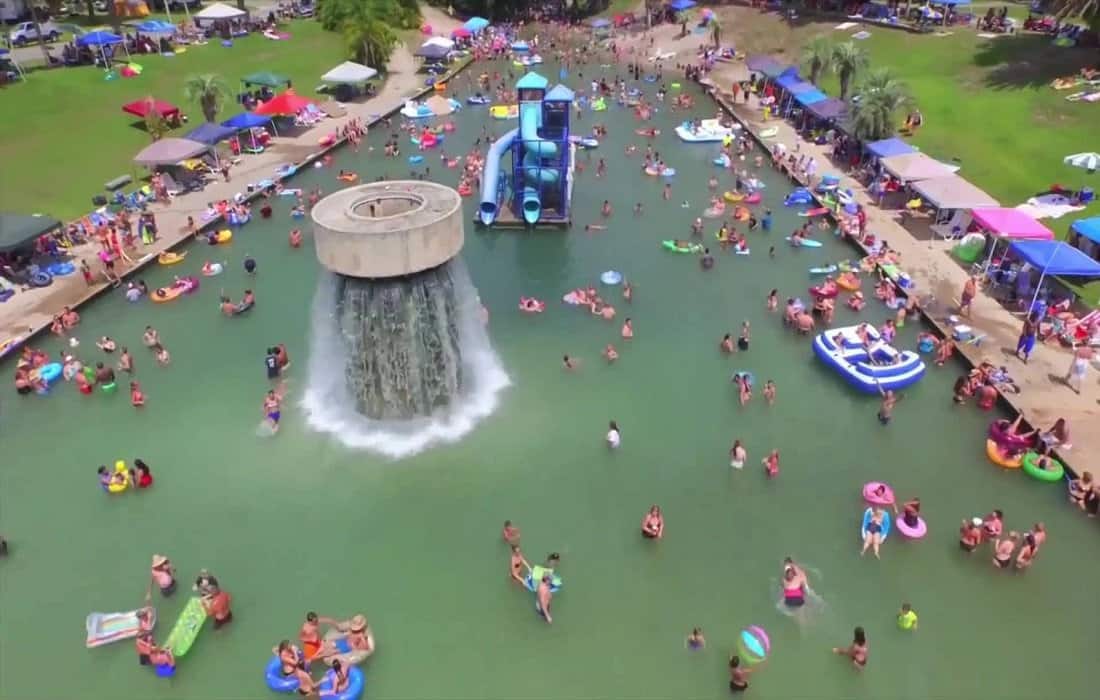
Wekiva Falls RV Resort is one of the best resorts for those who love the great outdoors, springs, and camping. Close to the best attractions that Orlando or Daytona Beach has, it’s the perfect location to enjoy Central Florida’s attractions while basking in Florida’s wilderness. Add to this that the resort boasts a sulfur spring…
Continue Reading Wekiva Falls RV Resort – Sorrento’s Hidden Spring
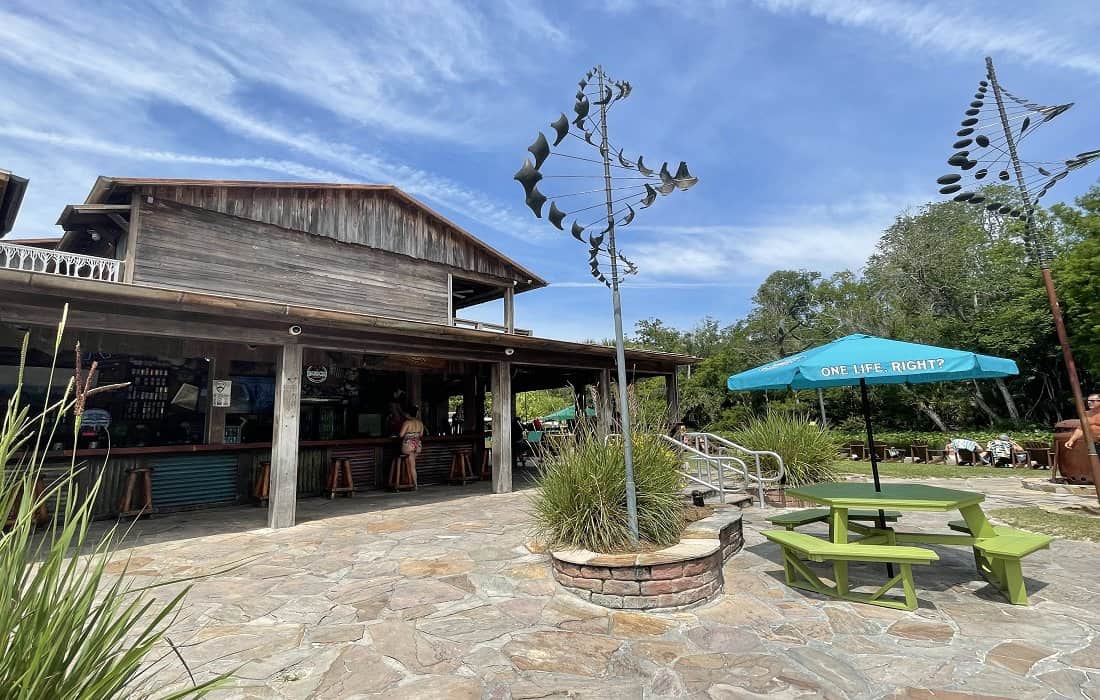
Wekiva Island, Florida, offers plenty of activities, including kayaking and swimming in the cool and unspoiled Wekiva River. Explore one of Orlando’s most popular local hang-out spots that is entirely authentic, natural, and non-touristy. If you ever want to experience what it’s like to navigate the Floridian rivers, experience springs, and bask in the sun…
Continue Reading Wekiva Island, Florida – The Locals Retreat

Wes Skiles Peacock Springs State Park is a 733-acre state park located in Live Oak, Florida. The park is named after Wes Skiles, a world-class explorer and diver who dedicated his life to exploring and documenting the underwater world. The park is renowned for its turquoise waters, extensive trails, and extensive underwater cave system, making…
Continue Reading Wes Skiles Peacock Springs State Park: One Of Florida’s Best State Parks
Book of the Best Of Florida Springs & Rivers
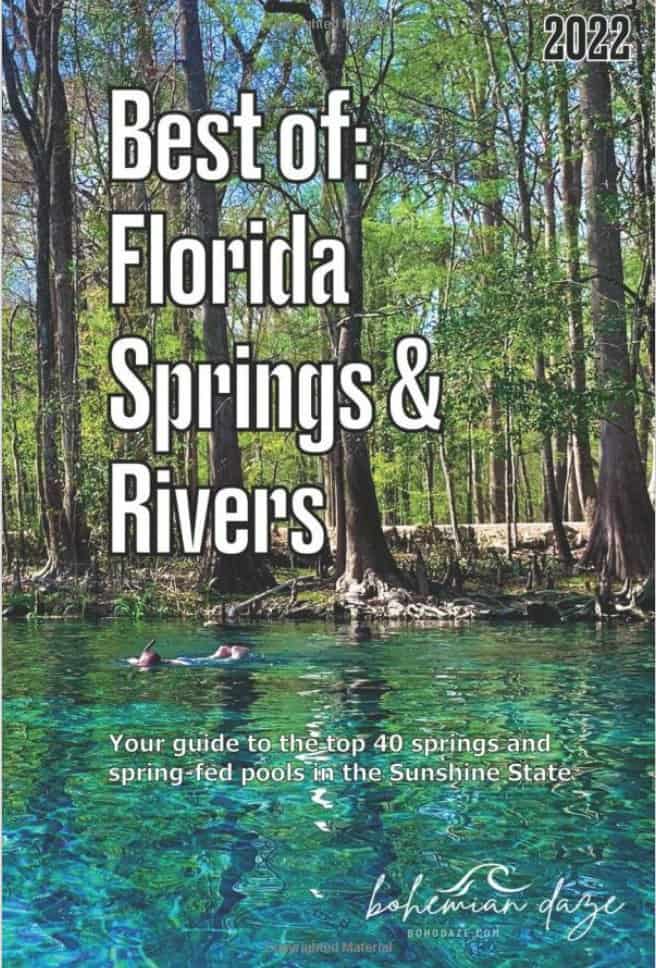
Long before theme parks came to town, the freshwater springs were the top tourist attraction in the state. Join us across the state to explore 40 of the best springs in Florida that you can still visit today.
Filled with vivid photos from the past and present, this guide will show you a side of the Sunshine State you won’t see in commercials.
Complete with information on conservation and a key for activities offered, this book is a must-have for locals and tourists alike.
Brit On The Move™ Travel Resources
Ready to book your next trip? Use these resources that work:
Was the flight canceled or delayed? Find out if you are eligible for compensation with AirHelp.
- Hotels: Find the best prices; use Booking.com
- Apartment Rentals: Find the best prices on apartment rentals with Booking.com’s Apartment Finder.
- Travel Insurance: Don’t leave home without it. View our suggestions to help you decide which travel insurance is for you: Travel Insurance Guide.
- Credit Cards: Check out our recommendations for Travel Credit Cards.
- Volunteer Vacation or a Working Holiday? Check out the complete guide here!
- Rental Cars: Find the best deals here!