Are There Any Antarctica Cities? Discover the Fascinating Truth About Life on the Icy Continent
When you talk to people about Antarctica, many ask Are there any Antarctica Cities? Antarctica may look like a continent with towns and cities on maps, but its settlements work differently from those elsewhere. Antarctica has no incorporated cities or permanent civilian population; instead, rotating scientists and support staff live at research stations.
You can explore how these stations operate, which bases have the largest communities, and what daily life looks like in the extreme environment. You will also learn about the South American cities that serve as gateways for Antarctic travel and the limited settlements you can visit near research bases.

This post may contain affiliate links. Please read our disclosure and privacy policy for more information.
Why Antarctica Has No Incorporated Cities
Antarctica lacks the political institutions and permanent civilian population that normally support incorporated cities. The Antarctic Treaty system governs activity on the continent, while research stations operate as temporary scientific facilities rather than municipal communities.
Antarctic Treaty Governance
The Antarctic Treaty, signed in 1959 and now supported by dozens of countries, reserves Antarctica for peaceful purposes and scientific research. It does not establish sovereign national territories or create a continent-wide government that can charter cities.
You may see national research stations identified by country, but those facilities do not function as municipalities. Their governments manage them under national laws and Antarctic Treaty rules, usually through seasonal or rotating staff. The treaty system also limits military activity, regulates environmental protection, and requires cooperation in scientific work.
Some stations include housing, medical facilities, power systems, kitchens, laboratories, and communications. However, those services support a specific research mission rather than a permanent civilian population. Without a recognized territorial government, local elections, property systems, and municipal authority, Antarctica has no legal framework comparable to that of an incorporated city.

Absence Of Permanent Civilian Residents
You will not find a permanent civilian population in Antarctica. Researchers, engineers, medical staff, pilots, cooks, and support workers generally serve on limited-duration assignments, with staffing levels changing between the summer and winter seasons.
Antarctica’s extreme cold, isolation, strong winds, limited transport, and months of darkness make ordinary urban life difficult and expensive. Nearly all food, fuel, construction materials, and equipment must arrive by ship or aircraft. Medical evacuations can also become impossible during the harshest winter conditions.
Research stations therefore operate as managed outposts, not self-governing towns. A station may have a clinic, recreation room, dining hall, and communications center, but it typically lacks independent businesses, permanent families, or a municipal government. Some stations host children or visitors for brief periods, yet these cases do not result in a lasting civilian settlement or an incorporated Antarctic city.
What Exists Instead Of Antarctica Cities?
Antarctica has no officially recognized cities or permanent civilian population. Instead, you find research stations, temporary field camps, and logistics hubs, each designed to support science and transport in an isolated environment.
Research Stations
Research stations provide the closest equivalent to small communities. They include laboratories, sleeping quarters, kitchens, medical facilities, power systems, workshops, and communications equipment. Staff members rotate by season, with larger stations supporting more people during the Antarctic summer.
McMurdo Station, operated by the United States, serves as the continent’s largest research and logistics center. Other major facilities include Amundsen–Scott South Pole Station, Rothera Research Station, and Concordia Station. Some stations operate year-round, while others close when extreme weather limits access.
You may find year-round residents at stations, but they do not form permanent towns. Their presence depends on scientific programs, national funding, and scheduled rotations.
Seasonal Field Camps
Field camps support researchers working far from established stations. Crews set them up for specific projects, such as studying glaciers, meteorites, wildlife, or atmospheric conditions, then remove or close them after the work ends.
A camp may contain insulated tents, temporary laboratories, fuel supplies, generators, satellite communications, and basic cooking and sanitation equipment. Its size can range from a few researchers to a larger group with mechanics, pilots, and medical support.
You should not expect shops, public roads, or conventional housing at these sites. Aircraft, tracked vehicles, or ships deliver supplies, and severe weather can delay travel for days or weeks.
Logistics Hubs
Logistics hubs connect research stations and field teams with ships, aircraft, fuel, food, construction materials, and specialist staff. McMurdo Station handles major supply operations for the South Pole and nearby field programs, while Rothera supports British research across the Antarctic Peninsula and surrounding areas.
These hubs contain runways or landing areas, vehicle depots, warehouses, workshops, communications facilities, and accommodation. Their services allow scientists and support crews to work in remote locations without creating permanent urban infrastructure.
Some civilian settlements, including Villa Las Estrellas and Esperanza Base, have included family housing, schools, or limited community services. They remain small, nationally operated settlements rather than cities.
Largest Antarctic Research Stations
Antarctica has no legally recognized cities, but several research stations operate like small, seasonal communities. McMurdo, Amundsen-Scott, and Esperanza support large populations, permanent infrastructure, laboratories, housing, medical services, and transport operations.
McMurdo Station
Operated by the United States, McMurdo Station is the largest research station in Antarctica. It stands on Ross Island near the coast and serves as a major logistics center for scientists and support staff working across the Ross Sea region and the continent’s interior.

It has accommodation, laboratories, warehouses, a medical clinic, dining facilities, communications services, and transportation equipment. The population rises substantially during the austral summer, when research projects and cargo flights increase activity. During winter, fewer personnel remain because darkness, severe cold, and limited transport make outside operations difficult.
McMurdo also supports flights and overland journeys to the South Pole and other field camps. Its size and range of services make it the closest Antarctic equivalent to a town, although it remains a scientific and logistical base rather than a city.
Amundsen-Scott South Pole Station
Amundsen-Scott South Pole Station sits at the geographic South Pole, about 1,600 miles (2,575 kilometers) from McMurdo. The United States operates the station, which supports astronomy, atmospheric science, glaciology, seismology, and climate research.

The station accommodates researchers and support workers during the summer, but its winter population shrinks significantly. From late autumn through winter, aircraft cannot normally reach the site because temperatures and weather create dangerous operating conditions. Staff who remain must manage supplies, equipment, power systems, and scientific instruments for months without outside access.
The station’s location provides exceptionally dry, stable air and long periods of darkness, which benefit certain astronomical observations. Its buildings, power plant, communications systems, and medical facilities support a compact community, but no permanent civilian population lives there.
Esperanza Base
Operated by Argentina, Esperanza Base is located on the Antarctic Peninsula and operates year-round. Unlike many stations, it includes family housing and has hosted children born to personnel, giving it a more community-like character than most Antarctic facilities.

The base supports meteorological observations, environmental monitoring, geological studies, and other scientific work. Its personnel also maintain communications, power generation, transport, and supply systems through the Antarctic winter. Seasonal population changes occur, but the station keeps a permanent presence rather than closing when summer ends.
You may see Esperanza described as an Antarctic settlement, but it is not an independent city. Argentina administers it as a research and military-supported facility, and its presence does not establish national ownership of the surrounding territory under the Antarctic Treaty System.
How People Live And Work In Antarctica
Antarctica has no permanent civilian population or officially recognized cities. You will find temporary communities at research stations, where seasonal population changes, specialized infrastructure, and international scientific programs shape daily life.
Population Changes By Season
During the Antarctic summer, roughly November through February, the population can reach about 4,000–5,000 people across the continent. Research teams, construction crews, pilots, ship personnel, and support workers arrive when warmer conditions allow aircraft, ships, and field operations to function more easily.
The population falls to approximately 1,000–1,200 people during winter. Many stations reduce operations because darkness, extreme cold, and limited transport make travel difficult. Staff who remain must maintain essential systems, conduct winter research, manage communications, and keep the station safe until the next summer season.
Services And Infrastructure
You will usually live in a research station rather than a conventional town. Stations provide accommodation, shared dining areas, laboratories, offices, medical facilities, power generation, water treatment, workshops, storage, and communications equipment.
Larger stations may also have gyms, libraries, classrooms, recreation rooms, and limited shops or mail services. McMurdo Station, operated by the United States, functions as one of the continent’s largest logistical hubs, while smaller stations may house only a few dozen people.
Most supplies arrive by ship or aircraft during the summer. Stations therefore depend on careful planning, fuel storage, food preservation, waste removal, and emergency procedures. Medical care exists on site, but serious cases may require evacuation when weather and transport conditions permit.
Concordia Station:

Employment And Daily Life
Your work in Antarctica may involve glaciology, biology, atmospheric science, astronomy, meteorology, engineering, aviation, construction, cooking, cleaning, medicine, or station administration. Scientific teams rely on electricians, mechanics, technicians, pilots, vehicle operators, and other support staff to keep research programs operating.
Daily routines follow work schedules and strict safety rules. You may travel by tracked vehicle, aircraft, or on foot, but personnel must monitor the weather, wear appropriate protective clothing, and follow designated routes, as crevasses and sudden storms pose serious risks.
After work, you typically eat and socialize within the station. People share chores, conserve resources, and coordinate closely because isolation limits privacy and access to outside help. During winter, months of darkness and separation from family make recreation, communication, and group cooperation particularly important.
Closest Urban Gateways To Antarctica
You can reach Antarctica through several southern cities, but each serves a different region and travel style. Ushuaia and Punta Arenas provide the most direct access to the Antarctic Peninsula, while Christchurch and Hobart primarily support flights, ships, and research operations bound for East Antarctica.
Ushuaia
Ushuaia, Argentina, lies on the Beagle Channel at the southern tip of South America. It is the closest major city to the Antarctic Peninsula, making it the most common departure point for expedition cruises. Most voyages cross the Drake Passage and reach the Antarctic Peninsula in roughly two days, depending on weather and sea conditions.
You can find regular expedition ships, travel agencies, hotels, restaurants, and outdoor equipment suppliers in the city. Ushuaia also supports Argentina’s Antarctic logistics and serves nearby destinations such as Tierra del Fuego and Cape Horn.
If you choose a cruise from Ushuaia, expect a sea journey rather than a direct flight. Some operators offer fly-cruise itineraries from Punta Arenas instead, allowing you to avoid the Drake Passage. For our Antarctica trip, we flew to Argentina, then to Ushuaia, where our ship left. We also spent the day in Ushuaia and took a tour that included lunch. All included in our Atlas Ocean Voyages cruise.

Punta Arenas
Punta Arenas sits in southern Chile on the Strait of Magellan. It serves as an important gateway for air access to the Antarctic Peninsula, especially for travelers who want to reduce time at sea. Chartered aircraft can fly from Punta Arenas to King George Island, where you typically board an expedition vessel.
The city has an international airport, accommodation, restaurants, and travel services that support Antarctic visitors. Chilean and international research programs also use Punta Arenas for logistics, cargo, aircraft operations, and personnel transfers.
Your itinerary may include several days in the city for weather checks and flight preparation. Antarctic flights depend heavily on visibility, runway conditions, and aircraft availability, so operators often build flexibility into the schedule.
Christchurch
Christchurch, New Zealand, functions primarily as a research and logistics gateway to the Ross Sea region and East Antarctica. New Zealand’s Antarctic program uses the city to organize personnel, equipment, aircraft, and supplies before flights to McMurdo Station and other nearby facilities.
You can reach Antarctica from Christchurch by specialized military or research aircraft, but regular tourist departures remain limited compared with Ushuaia. Commercial visitors may encounter the city through private expedition programs that operate in the Ross Sea region.
Christchurch offers extensive transport, medical, accommodation, and cargo-handling infrastructure. Its location supports New Zealand’s operations on the western side of the Ross Sea, rather than the Antarctic Peninsula. Expect a highly organized logistical route rather than a conventional cruise terminal experience.
Hobart
Hobart, Tasmania, serves as Australia’s main Antarctic gateway. Its port, airport, research institutions, and supply networks support Australian Antarctic Division operations and voyages toward East Antarctica, including the region around Casey Station.
You can find Antarctic research vessels, ice-strengthened ships, and government logistics activity in the city. Hobart also hosts scientific organizations, maritime businesses, and museums that explain Australia’s polar work. Commercial tourism exists but remains less frequent than in Ushuaia.
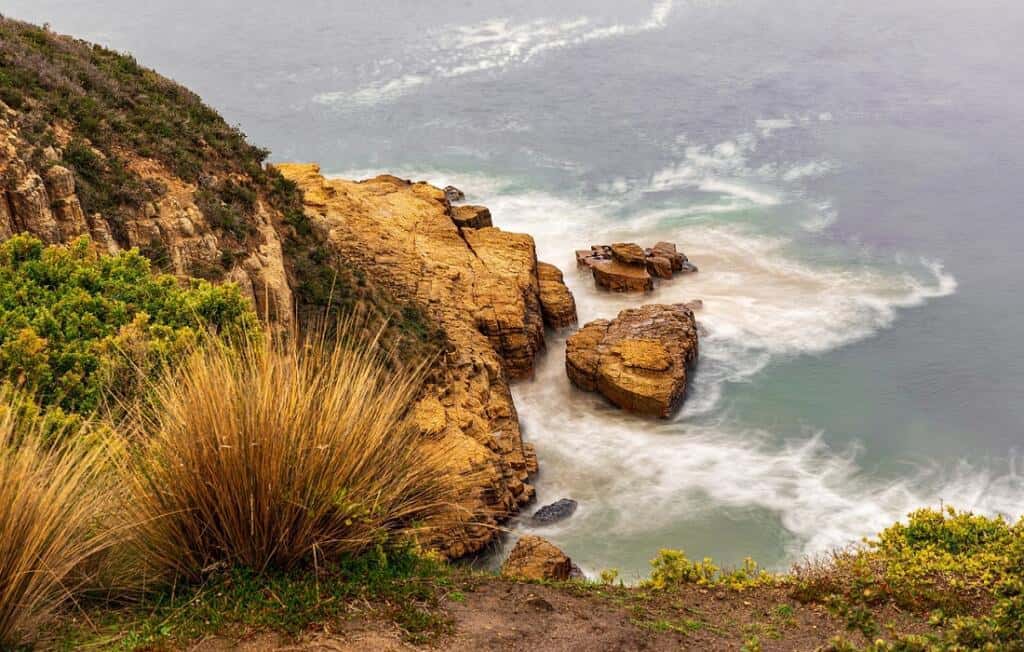
Voyages from Hobart generally take longer to reach Antarctica because East Antarctica lies far across the Southern Ocean. Rough seas, sea ice, and long distances shape the schedule. If you travel through Hobart, you will usually join a specialized expedition rather than a high-volume tourist route.
Visiting Antarctic Settlements
You can visit some Antarctic research stations and nearby settlements through organized expeditions, but access remains limited. Station schedules, wildlife protections, weather, and strict environmental rules determine where you can go and what activities you may undertake.
Tourist Access
You typically reach Antarctic settlements by expedition ship, although some specialized tours use aircraft from South America. Common access points include the Antarctic Peninsula and nearby islands, where seasonal tourist operations visit research stations, historic bases, and small facilities open to visitors.
You cannot treat a research station like a public town. A visit usually requires advance coordination with the station’s operator, expedition company, and relevant national authorities. Staff may provide a short briefing or guided tour, but they can restrict access to laboratories, living quarters, storage areas, and other operational spaces.
Tour schedules can change quickly because of sea ice, storms, aircraft conditions, wildlife activity, or station emergencies. Expect flexible itineraries rather than guaranteed visits to a specific base.
Station Visit Restrictions
Research stations support science and logistics, not tourism. You must follow station personnel instructions and remain within approved areas. Some stations accept visitors only during specific periods, while others prohibit tourism because of security, biosecurity, limited facilities, or ongoing research.
You may need to avoid photographing sensitive equipment, entering buildings without permission, or interfering with vehicles and supplies. Stations also operate with limited medical capacity, communications, fuel, and food, so visitors cannot assume they can receive routine services.
Before landing, your expedition operator should explain the requirements, including clothing, footwear, personal health conditions, and emergency procedures. You may also need to declare equipment and clothing for inspection or cleaning before going ashore.
Environmental Rules
The Antarctic Treaty System and its environmental protocols establish strict protections for the continent and surrounding waters. You must not remove rocks, fossils, feathers, bones, soil, plants, or historic objects. You must also avoid feeding, touching, chasing, or blocking wildlife.

Operators commonly disinfect boots and equipment before landings to prevent introducing seeds, soil, insects, or disease. Keep a safe distance from animals, follow marked routes, and do not walk through breeding or nesting areas.

You must pack out personal waste and follow instructions for handling other waste. Smoking, drones, food, and aircraft operations may face additional restrictions. Rules can differ by site, so you should follow the specific guidance provided by your expedition leader or station staff.
Looking For More?
- Atlas Ocean Voyages: Antarctica Guide to Luxury Expedition Cruises
- 1991 Madrid Protocol: Key Rules and Requirements
- Antarctica Deception Island: A Guide to Its Whaling History & Alluring Volcanic Wonders
- Antarctica Pyramid: Exploring the Mystery Behind the Formation
- Antarctica Station Y on Horseshoe Island: A Historic and Inspiring Outpost at the Edge of the World
- Antarctica Treaty: Key Facts and Profound Global Significance
- Is Antarctica a Country? Unveiling the Fascinating Truth
Brit On The Move™ Travel Resources
Ready to book your next trip? Use these resources that work:
Was the flight canceled or delayed? Find out if you are eligible for compensation with AirHelp.
- Hotels: Find the best prices; use Booking.com
- Apartment Rentals: Find the best prices on apartment rentals with Booking.com’s Apartment Finder.
- Travel Insurance: Don’t leave home without it. View our suggestions to help you decide which travel insurance is for you: Travel Insurance Guide.
- Credit Cards: Check out our recommendations for Travel Credit Cards.
- Volunteer Vacation or a Working Holiday? Check out the complete guide here!
- Rental Cars: Find the best deals here!