Is Travel Insurance Worth It – Absolutely & Here’s Why:
You can spend weeks hunting down a flight deal, redeem points like a pro, and book a boutique stay that feels like a steal – then one canceled flight, one lost bag, or one surprise medical issue blows up the whole plan. That is why travel insurance is worth it, not just a throwaway question. For budget-minded travelers, it is really a question about protecting the money, time, and effort you already put into the trip.

The honest answer is: sometimes yes, sometimes no. Travel insurance is not an automatic buy for every weekend getaway, and it is not a scam either. Its value depends on what you are risking, what you can afford to lose, and whether the policy actually covers the situations most likely to affect your trip.
Is travel insurance worth it for your kind of trip?
If you only take cheap domestic trips, stay flexible, and can absorb a few unexpected costs without wrecking your budget, travel insurance may be unnecessary more often than not. But once you start layering in nonrefundable bookings, expensive flights, cruises, guided adventures, remote destinations, or international travel, the math changes quickly.
A lot of travelers make the mistake of thinking travel insurance is only about trip cancellation. That is part of it, but usually not the part that matters most. The bigger financial risk on many trips is emergency medical care abroad, emergency evacuation, or a last-minute interruption that forces you to pay for hotels, meals, or replacement transportation.
For example, if you book a $180 road trip hotel that you can cancel until the day before, insurance probably is not worth adding. If you are flying to Iceland, joining a small-group hiking trip, prepaying a glacier excursion, and renting a car in shoulder season, that is a different conversation.
What travel insurance actually covers
This is where a lot of people either overestimate the protection or buy a policy they do not fully understand. Travel insurance is not one single thing. It is a bundle of possible protections, and some matter more than others depending on the trip.
Trip cancellation and trip interruption coverage can reimburse prepaid, nonrefundable costs if something covered stops you from traveling or forces you to come home early. Covered reasons vary, and that wording matters. If your reason is not listed, you may not be reimbursed.
Medical coverage is often the sleeper benefit, especially for US travelers going overseas. Your regular health insurance may offer limited coverage outside the country, and Medicare generally does not cover medical care abroad. If you get sick in Italy or break an ankle in Costa Rica, travel medical coverage can be the part that saves you from a brutal bill.
Emergency evacuation coverage matters even more for adventure travelers, cruisers, and anyone heading somewhere remote. Helicopter transport or medical evacuation back to an adequate facility can cost far more than the trip itself.
Baggage and delay coverage can help, but it is usually not the main reason to buy a policy. Lost luggage is annoying, and reimbursement for essentials is useful, but those benefits are often capped and may overlap with credit card coverage or airline compensation.
Skip The Shopping
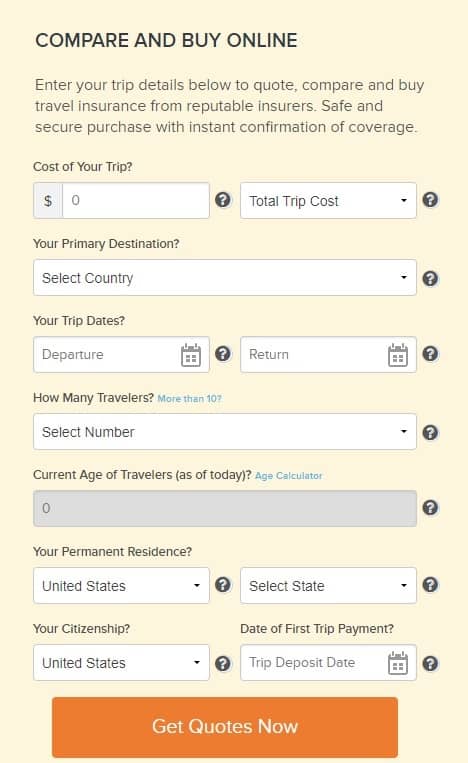
Compare All Travel Insurance Here
When travel insurance is usually worth it
There are a few situations where buying coverage is easier to justify.
International trips are a big one, especially if you are headed somewhere with limited medical access, connecting through multiple airports, or traveling during weather-sensitive seasons. Even a relatively affordable trip can become expensive if a disruption snowballs.
Cruises are another strong case. Cruises involve strict cancellation rules, fixed departure dates, port changes, and plenty of chances for delays to leave you scrambling. Missing embarkation is not like missing a hotel check-in. If you do not make the ship, the costs can pile up fast.
Big-ticket itineraries also make sense to insure. Think safari deposits, bucket-list train journeys, prepaid tours, expedition travel, or a multi-country trip built around nonrefundable bookings. If losing that money would sting for months, insurance deserves a look.
Adventure travel raises the stakes too. Hiking at altitude, scuba diving, zip lining, skiing, or renting scooters abroad may increase your risk and may not be covered under every standard policy. This is where reading the exclusions becomes more important than reading the headline price.
And if you are traveling with older family members, kids, or anyone with health issues, coverage can offer more than financial protection. It can give you options when plans shift unexpectedly.
When it may not be worth it
Not every trip needs another line item.
If your flights were booked with flexible points, your hotel is refundable, your destination is domestic, and you have enough savings to handle a moderate hiccup, you may be better off skipping insurance. The same goes for short trips where your biggest risk is buying a replacement toothbrush and a clean T-shirt if your bag takes a detour.
It also may not be worth it if you are buying a cheap policy just to say you have insurance. Bare-bones plans can sound reassuring while offering limited real-world value. A low premium is not a bargain if the coverage limits are too small, the exclusions are broad, or the claims process is a mess.
There is also the overlap issue. Some premium travel credit cards already include trip delay, baggage delay, rental car coverage, and trip interruption benefits if you paid with the card. That does not always replace a standalone policy, especially for medical coverage, but it can reduce the need for one.
How to decide without overthinking it
The simplest way to answer is travel insurance worth it for your trip is to look at three things: your downside, your flexibility, and your destination.
First, add up your truly nonrefundable costs. Not the full dream-trip value in your head – the actual money you would lose if you had to cancel tomorrow. If that amount would hurt, insurance starts looking more reasonable.
Second, think about how replaceable your plans are. A cheap domestic weekend with free cancellation is easy to rebuild. A limited-time cruise itinerary or a once-a-year festival trip is not.
Third, consider the medical and logistical risk. Remote national parks, international destinations, winter travel, hurricane season, and multi-leg flight itineraries all raise the chance that something expensive or complicated could happen.
A practical rule many travelers use is this: if the premium feels annoying but the potential loss feels manageable, skip it. If the premium feels manageable but the potential loss would derail your finances, buy it.
The fine print matters more than the sales pitch
This is where smart travelers save money by avoiding false confidence.
Do not assume every policy covers weather, work conflicts, pandemics, adventure sports, pre-existing conditions, or supplier bankruptcy. Some do. Some do not. Even the phrase cancel for any reason usually comes with conditions, partial reimbursement, and time-sensitive purchase windows.
Pay attention to coverage limits, exclusions, and required documentation. If you need to file a claim, you may need receipts, proof of delay, medical records, police reports, or written statements from providers. If that sounds tedious, it is. But it is better than discovering after the fact that your reason was never covered.
It is also smart to check whether your destination or activity requires specific coverage. Some tours, cruises, and countries have minimum medical insurance requirements, and that changes the equation.
A budget traveler’s take on value
At Brit On The Move, the goal is not to spend more just to feel responsible. It is to spend where it protects the trip and skip what adds fluff. Travel insurance falls squarely into that category.
The best way to think about it is not as an upsell, but as a risk-transfer tool. You are paying a relatively small amount so one ugly scenario does not wipe out a much larger investment. That can be a smart move. It can also be unnecessary if your trip is low-cost, flexible, and easy to recover from.
If you travel often, you may also find that annual coverage makes more sense than buying a separate policy every time. But even then, the same rule applies: know what you are covered for before you need it.
Travel insurance is worth it when it protects something you cannot easily afford to lose – money, medical access, or the ability to recover from a major disruption without wrecking your travel budget. If your trip is simple and your backup plan is solid, keep the cash. If the stakes are higher, protecting the trip can be one of the smartest travel decisions you make before you ever leave home.
Looking for more? Start here:
- Global Entry vs TSA Precheck
- How To Survive A Long-Haul Flight
- Multi-City Flights – A Travel Hack You Need to Know!
- Timeshare Resale – Why You Should Buy One
- When Do You Need A Travel Visa: The Complete Guide To Visa Requirements By Country
Brit On The Move™ Travel Resources
Ready to book your next trip? Use these resources that work:
Was the flight canceled or delayed? Find out if you are eligible for compensation with AirHelp.
- Hotels: Find the best prices; use Booking.com
- Apartment Rentals: Find the best prices on apartment rentals with Booking.com’s Apartment Finder.
- Travel Insurance: Don’t leave home without it. View our suggestions to help you decide which travel insurance is for you: Travel Insurance Guide.
- Credit Cards: Check out our recommendations for Travel Credit Cards.
- Volunteer Vacation or a Working Holiday? Check out the complete guide here!
- Rental Cars: Find the best deals here!