When Should You Buy Travel Insurance?
You found a cheap flight, locked in a dreamy cabin stay, and finally got your PTO approved. Then comes the less glamorous question: when should you buy travel insurance? The short answer is earlier than most people think. If you wait until the week before departure, you can still get some protection, but you may miss the coverage that matters most if your trip falls apart before it even starts.
For most travelers, the best time to buy travel insurance is soon after making your first nonrefundable trip payment. That could be the day you book your flights, put down a cruise deposit, or reserve a tour that charges a cancellation fee. Buying early usually gives you access to the widest range of benefits and the fewest unpleasant surprises.

This post may contain affiliate links. Please read our disclosure and privacy policy for more information.
When Should You Buy Travel Insurance For The Best Coverage?
If your main concern is protecting the money you have already spent, buy travel insurance right after your first prepaid booking. This is the sweet spot for timing because many policies are designed around that first financial commitment. The earlier you buy, the more of your trip investment can be covered if something forces you to cancel.
That matters more than people realize. Trip cancellation coverage is not just about major disasters. It can apply if you get sick before departure, a covered family emergency comes up, or severe weather disrupts part of your plans. But those protections generally apply only to events that occur after the policy is in effect. If you buy insurance after a storm is already named or after a family issue has started unfolding, that event is unlikely to be covered.
There is also a practical reason to buy early: some time-sensitive benefits may only be available if you purchase within a short window of your first trip payment. Depending on the policy, that window can be around 10 to 21 days. These benefits can include waivers for pre-existing medical conditions or the option to add more flexible cancellation coverage. Miss the deadline, and you may still get insurance, just not the strongest version of it.
Why Waiting Can Cost You More Than The Policy.
A lot of travelers treat insurance like sunscreen – something to throw in at the last minute. That approach works fine if all you want is basic emergency medical or baggage coverage during the trip itself. It does not work as well if you want coverage for the big-ticket costs you could lose before departure.
Say you book an expedition cruise 10 months out and decide to shop for insurance a week before sailing. If your travel partner breaks a leg three months before departure and you need to cancel, you are out of luck unless you already have a policy in place. The same logic applies to safari deposits, guided trekking trips, international family vacations, and many custom itineraries, where payments accumulate over time.
Waiting can also limit coverage if a known event is already on the radar. Travel insurance is designed to cover unexpected issues, not ones everyone can see coming. Once an airline strike is announced, a hurricane is officially named, or civil unrest is already making headlines in your destination, it may be too late to buy a policy that covers losses tied to that event.
The Right Timing Depends On The Trip.
Not every trip needs the same insurance strategy. A $79 domestic flight to visit friends is very different from a two-week trip to Patagonia with internal flights, gear rentals, and nonrefundable lodges.
For expensive or complicated trips, buy early. This includes cruises, multi-country itineraries, guided tours, remote adventure travel, and anything with large deposits. The more moving parts you have, the more chances there are for something to go sideways before or during the trip.
For international trips, early purchase still makes sense, especially if you are visiting a country where your regular health insurance may not help much. Medical evacuation alone can be financially brutal, and it is one of those costs people do not appreciate until they see the numbers.
For domestic road trips or cheap city breaks, the decision is more flexible. If most of your bookings are refundable and you are driving your own car, you may decide insurance is not worth it. Or you may only want a low-cost policy focused on medical issues and travel delays. This is where budget-conscious travel planning actually helps – if you book refundable rates and use points strategically, you reduce the amount of risk you need to insure.
When Buying Travel Insurance, Early Matters Most
There are a few scenarios where buying quickly is especially smart.
If you are traveling during hurricane or winter storm season, or during other weather-sensitive periods, early coverage gives you a better chance of being protected before a storm becomes a known event. If you are booking far in advance, it also protects a longer stretch of time between booking and departure.
If you have any medical history that could affect your trip, early purchase is even more important. Some policies offer pre-existing condition waivers, but usually only if you buy within a specific time frame and insure the full nonrefundable trip cost. Miss that window and your options narrow fast.
If you are taking a big once-a-year trip, not just a spontaneous weekend away, this is not the place to cut corners. One canceled trek, missed cruise embarkation, or emergency abroad can wipe out months of careful saving.
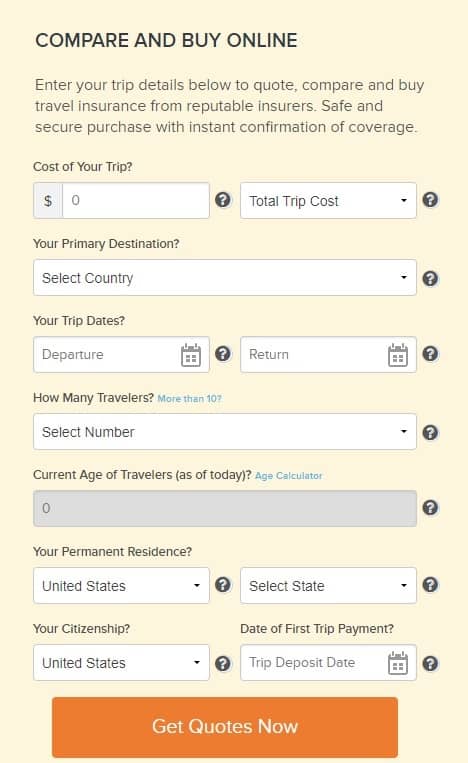
Skip The Shopping
Compare All Travel Insurance Here
What If You Already Booked And Did Not Buy It Yet?
You have not necessarily missed your chance. If your trip is still weeks or months away, you can usually buy a policy now. Just understand what it will and will not cover.
A policy bought later can still help with emergency medical expenses, evacuation, baggage issues, and certain travel delays or interruptions that happen after the policy starts. That is still valuable, especially for international travel. But if you missed the deadline for time-sensitive benefits, you may not have access to the strongest cancellation protections.
This is why reading the policy details matters more than the marketing headline. Two plans can look similar on the surface and behave very differently when you actually need to make a claim.
How To Decide If Travel Insurance Is Worth It
The better question is not just when you should buy travel insurance, but whether your trip creates enough financial risk to justify it.
Start with what you stand to lose. Add up your nonrefundable flights, accommodations, tours, cruises, and prepaid transportation. Then think about your health coverage, your destination, and how hard it would be to absorb an emergency bill or trip cancellation out of pocket.
If your total risk is small and most of your bookings are refundable, skipping insurance may be reasonable. If your trip includes expensive prepaid costs, remote destinations, adventure activities, or multiple travelers whose schedules and health can affect the plan, insurance becomes a lot easier to justify.
There is also a middle ground that experienced travelers use all the time. They reduce risk where they can by booking refundable hotels, using points for flights, and avoiding sketchy third-party bookings. Then they buy insurance for the parts they cannot easily replace. That is usually the smartest budget move: not buying the cheapest policy blindly or skipping coverage on a high-stakes trip.
A Few Common Mistakes Travelers Make
One is assuming credit card travel protection covers everything. Some travel cards offer useful benefits, but coverage varies a lot. You may get trip delay or baggage protection, but not strong medical coverage abroad or a solid cancellation benefit for every situation.
Another is ensuring only the flight and forgetting the rest of the trip. On a simple domestic weekend, that may be fine. On a cruise, tour, or adventure itinerary, the land costs can easily be the bigger loss.
The third mistake is waiting until they feel nervous. Insurance works best when you buy it before there is a reason to worry. Once the risk becomes obvious, it is often too late.
Brit On The Move readers already know the goal is not to spend more. It is to avoid dumb, preventable losses that wreck your travel budget.
The Smart Answer For Most Travelers
So, when should you buy travel insurance? As soon as you start putting real, nonrefundable money into the trip. That gives you the best shot at cancellation protection, access to time-sensitive benefits, and coverage before outside problems become known events.
If your trip is low-cost, flexible, and easy to replace, you may decide to skip it or buy minimal coverage if your trip is expensive, international, medically complicated, or built around strict deposits, buying early is the move.
Travel is more fun when the backup plan is already handled. Buy the policy while everything still looks calm, then get back to planning the good part – where you are going, what you are eating, and how little you managed to pay for it.
Looking For More?
- 9 Best Travel Loyalty Programs Worth Using
- Are Popular Volunteer Travel Programs Abroad Worth It?
- Cash Back or Points for Travel: Which Is the Most Lucrative Pick?
- How to Plan Affordable Weekend Getaways
- Travel Hacks for Flights That Work
Brit On The Move™ Travel Resources
Ready to book your next trip? Use these resources that work:
Was the flight canceled or delayed? Find out if you are eligible for compensation with AirHelp.
- Hotels: Find the best prices; use Booking.com
- Apartment Rentals: Find the best prices on apartment rentals with Booking.com’s Apartment Finder.
- Travel Insurance: Don’t leave home without it. View our suggestions to help you decide which travel insurance is for you: Travel Insurance Guide.
- Credit Cards: Check out our recommendations for Travel Credit Cards.
- Volunteer Vacation or a Working Holiday? Check out the complete guide here!
- Rental Cars: Find the best deals here!