How to Choose Travel Insurance Like A Professional
You usually find out whether your travel insurance was any good when something has already gone sideways – a missed connection, a broken ankle on a trail, a bag that never shows up, or a last-minute cancellation that eats the cost of your trip. That is exactly why knowing how to choose travel insurance matters before you book. The right policy can save you thousands. The wrong one can leave you arguing over fine print on an airport floor.
For most independent travelers, the goal is not to buy the fanciest plan on the market. It is to buy the plan that matches the actual trip you are taking, the money you have at risk, and the kind of problems most likely to derail it. That sounds obvious, but plenty of travelers either overinsure cheap trips or underinsure expensive ones.

This post may contain affiliate links. Please read our disclosure and privacy policy for more information.
How to choose travel insurance without overpaying
The smartest place to start is with your trip itself. A weekend road trip a few states away does not carry the same risks as a two-week international itinerary with prepaid hotels, internal flights, and a cruise departure you cannot miss. Before you compare policies, look at what you would genuinely lose if something went wrong.
If your flights are refundable, your hotel can be canceled without penalty, and you are staying domestic with strong health coverage already in place, your insurance needs may be light. On the other hand, if you have sunk a lot of money into nonrefundable bookings, have several transit points, or are heading somewhere remote, your risk profile changes fast.
That is where many travelers waste money. They shop by fear instead of by exposure. The better approach is to total your nonrefundable costs, think about your medical situation, and consider how complicated the trip is. A simple trip often needs simple coverage. A layered itinerary needs more protection.
Start with the coverages that matter most
Travel insurance policies can look packed with features, but a handful of categories usually do the heavy lifting.
Trip cancellation and interruption
This is what reimburses you if you have to cancel before departure or cut a trip short for a covered reason. If you are booking during hurricane season, planning a pricey cruise, or putting down money on special tours and lodges, this coverage matters. But the fine print matters even more.
Not every reason for canceling is covered. If you decide you are too stressed to travel, found a cheaper fare later, or simply changed your mind, a standard policy usually will not help. Covered reasons tend to include serious illness, certain family emergencies, severe weather, and other specified events. If flexibility matters more than strict covered reasons, a cancel-for-any-reason upgrade may be worth considering, though it costs more and usually reimburses only part of your trip.
Emergency medical coverage
For international travel, this is often the non-negotiable part. Many US health insurance plans offer little or no coverage abroad. If you get sick in Italy, injured hiking in Costa Rica, or need treatment after a scooter accident in Thailand, your regular plan may not follow you.
This is one area where cheap policies can disappoint. Look closely at the medical limit, deductible, and what counts as an emergency. If you are traveling internationally, especially to places where you may need private care quickly, stronger medical coverage is usually a better value than flashy baggage perks.
Emergency evacuation and repatriation
This coverage gets overlooked until you imagine the real cost of being transported from a remote island, mountain town, or ship at sea to a medical facility that can treat you. Medical evacuation can be staggeringly expensive. If you are taking an adventure trip, cruise, safari, or visiting a destination with limited hospitals, pay attention here.
This does not mean every traveler needs sky-high limits. But if your itinerary includes hiking, boating, rural driving, or any trip far from major medical centers, evacuation coverage is worth taking seriously.

Delay, missed connection, and baggage coverage
These benefits are useful, but they should rarely be the main reason you buy a policy. Trip delay coverage can help with meals, a hotel night, or replacement basics if your journey gets derailed. Missed connection coverage matters if one delay could blow up the rest of a tightly timed itinerary. Baggage coverage can help too, although payouts are often limited and claims can be fussy.
If you already have strong travel credit card protections, you may have some of this covered. That is why it pays to compare what you already get before buying duplicate benefits.
Check what you already have before buying anything
One of the easiest ways to overspend is forgetting that some travel protections may already be available through your credit card, health insurance, or even your employer.
A good travel credit card may include trip delay, lost luggage, rental car coverage, or limited trip cancellation protection if you paid for the trip with that card. Your health insurance may cover emergencies out of state, but not abroad. Some premium cards also provide emergency evacuation assistance, but coverage details vary a lot.
This is where resourceful travelers save money. If you know what protections are already in your wallet, you can buy a leaner policy that fills the real gaps instead of stacking the same benefits twice.
How to compare plans like a traveler, not a salesperson
When you are figuring out how to choose travel insurance, price alone is a terrible filter. The cheapest policy may exclude the exact scenario you are worried about. The most expensive one may add benefits you will never use.
A better comparison starts with three questions. What is your biggest financial risk? What is your biggest medical risk? What is the weakest point in your itinerary?
For one traveler, that may be a nonrefundable expedition cruise. For another, it is a solo hiking trip in a remote region. For someone else, it is a multi-country itinerary with separate tickets and a very short connection. The best plan is the one that protects your most expensive and most fragile points.
When comparing, look at coverage limits, exclusions, deductibles, and claim requirements. If a policy offers $500,000 in medical coverage but excludes activities you are planning to do, that number means very little. If another includes solid delay and cancellation protection but has a low baggage cap, that may still be the better fit if baggage is not your biggest concern.
Skip The Shopping
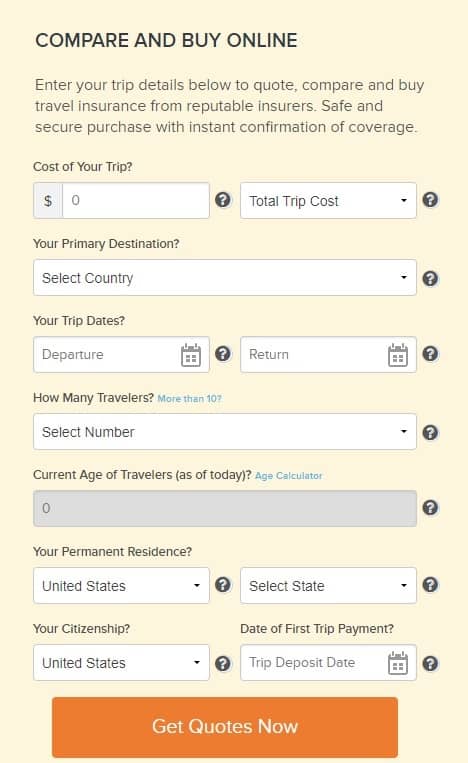
Compare All Travel Insurance Here
Watch for exclusions that catch people off guard
This is the part most travelers skip, and it is often where claims fall apart.
Pre-existing medical condition exclusions are a big one. Some plans offer waivers if you buy coverage within a set window after your first trip payment. Miss that window and you may lose important protection. Adventure activities can be another trap. A policy might cover casual hiking but exclude mountaineering, scuba diving, skiing, or riding a motorcycle. Even altitude can matter.
Alcohol-related incidents, civil unrest, named storms, and supplier default also deserve a close look. If you are booking far ahead, traveling during peak weather risk, or planning more adventurous experiences, these details matter more than the marketing headline.
Single-trip vs. annual coverage
If you travel a few times a year, an annual plan may be cheaper and simpler than buying separate policies every time. This can work especially well for frequent domestic travelers, weekend flyers, and people who tack on multiple shorter trips throughout the year.
That said, annual plans are not automatically better. They may have lower trip cancellation limits or fewer benefits for one big-ticket trip. If you are taking an expensive international vacation, a cruise, or a once-a-year adventure trip with lots of prepaid costs, a single-trip policy often gives more tailored protection.
It depends on your travel pattern. Frequent lower-cost trips lean annual. Bigger, more expensive itineraries often deserve their own policy.
When cheaper is fine and when it really is not
There are trips where minimal coverage is perfectly reasonable. If you are driving to a nearby city, booking a flexible hotel, and spending modestly, a low-cost plan or no plan at all may be a rational choice. Insurance is not mandatory just because you are traveling.
But there are also trips where cutting corners is false economy. International trips, cruises, adventure travel, expensive tours, and complex flights are where weak coverage can hurt. If one problem could cost more than you would comfortably absorb, that is usually your cue to insure properly.
At Brit On The Move, the practical rule is simple: insure the losses you cannot easily afford to eat, not every tiny inconvenience.
A better way to make the final call
Once you narrow your options, do one last reality check. Imagine your three worst realistic travel problems. Maybe you get sick before departure, your first flight delay makes you miss a cruise embarkation, or you end up needing treatment abroad after an accident. Then ask whether the policy would respond clearly and adequately.
If the answer feels murky, keep looking. Good travel insurance should not feel like a mystery box. You should know what it is for, what it covers, and where its limits are.
The best policy is rarely the one with the most features. It is the one that fits the trip you are actually taking, protects the money that matters, and gives you enough backup to travel with more confidence and fewer expensive surprises. That is a much better feeling than saving twenty bucks upfront and hoping nothing goes wrong.
Looking For More?
- Best Budget Cruises for Adults
- Cash Back or Points for Travel: Which Is the Most Lucrative Pick?
- Essential Travel Insurance for Cruises
- How to Plan Affordable Weekend Getaways
- Travel Hacks for Flights That Work
- Travel Rewards Transfer Partners Guide
Brit On The Move™ Travel Resources
Ready to book your next trip? Use these resources that work:
Was the flight canceled or delayed? Find out if you are eligible for compensation with AirHelp.
- Hotels: Find the best prices; use Booking.com
- Apartment Rentals: Find the best prices on apartment rentals with Booking.com’s Apartment Finder.
- Travel Insurance: Don’t leave home without it. View our suggestions to help you decide which travel insurance is for you: Travel Insurance Guide.
- Credit Cards: Check out our recommendations for Travel Credit Cards.
- Volunteer Vacation or a Working Holiday? Check out the complete guide here!
- Rental Cars: Find the best deals here!