Travel Insurance Guide 2026: What to Buy
Miss one tight connection in winter, get food poisoning on day three of a trek, or watch an airline misplace your bag before a cruise, and travel insurance stops feeling optional. This travel insurance guide 2026 is for travelers who want real protection without paying for bells and whistles they will never use.
A lot of insurance advice online is either fear-based or weirdly vague. Neither helps when you are trying to book a trip, stay on budget, and figure out whether a policy is actually worth it. The smarter approach is simpler: match coverage to the trip you are taking, the money you have at risk, and the medical realities of where you are going.

This post may contain affiliate links. Please read our disclosure and privacy policy for more information.
Travel Insurance Guide 2026: What Changed
The basics of travel insurance are still the same, but a few things matter more in 2026 than they did a few years ago. Trip prices are higher, airline schedules are still vulnerable to disruption, and more travelers are mixing prepaid experiences into one itinerary – think flights, boutique stays, expedition tours, rail passes, cruise add-ons, and event tickets. That means more nonrefundable costs stacked into one trip.
Medical coverage also deserves more attention than many travelers give it. Domestic health insurance may offer limited or confusing coverage abroad, and Medicare generally does not cover care outside the US. If you are traveling internationally, especially to remote areas or by cruise, the biggest financial risk is often not a delayed bag. It is emergency treatment, transport, or evacuation.
That is why the cheapest policy is not always the best deal. But the most expensive one is not automatically the smartest choice either. You are not buying peace of mind as a vague concept. You are buying protection for specific risks.
What Travel Insurance Actually Covers
A good policy usually includes several separate buckets of protection. Trip cancellation covers prepaid, nonrefundable costs if you have to cancel for a covered reason before departure. Trip interruption covers the financial hit if your trip is cut short after it starts. Travel delay benefits can help with meals, hotels, and basics when a disruption strands you for a covered period.
Then there is baggage coverage, which gets a lot of attention but is rarely the most valuable piece of the policy. Lost, stolen, or delayed baggage benefits can help, but payout limits are often lower than travelers expect, especially for electronics, jewelry, or specialty gear.
Medical expense coverage and emergency evacuation are where many policies earn their keep. If you get sick overseas, need treatment on a ship, or require transport from a remote area, those costs can escalate quickly. For active travelers, this part matters more than the marketing copy about stress-free travel.
How to Decide If You Need It
Not every trip needs the same level of insurance. A cheap domestic weekend paid mostly with points is very different from a two-week Patagonia itinerary with internal flights, gear rentals, and prepaid excursions.
Start with one question: how much money would you lose if the trip fell apart tomorrow? If the answer is a few hundred dollars and you could absorb it, you may not need a comprehensive policy. If the answer is several thousand dollars in flights, cruises, tours, safari deposits, or nonrefundable lodging, insurance becomes much easier to justify.
Then ask a second question: what would happen if you needed medical care where you are going? For international trips, cruises, adventure travel, and remote road trips, that answer often matters even more than cancellation coverage.
For budget-conscious travelers, this is the real balancing act. You do not need to insure every low-cost getaway. But if one medical emergency or one canceled tour would wreck your travel fund for the year, skipping insurance is not always the frugal move.
Skip The Shopping
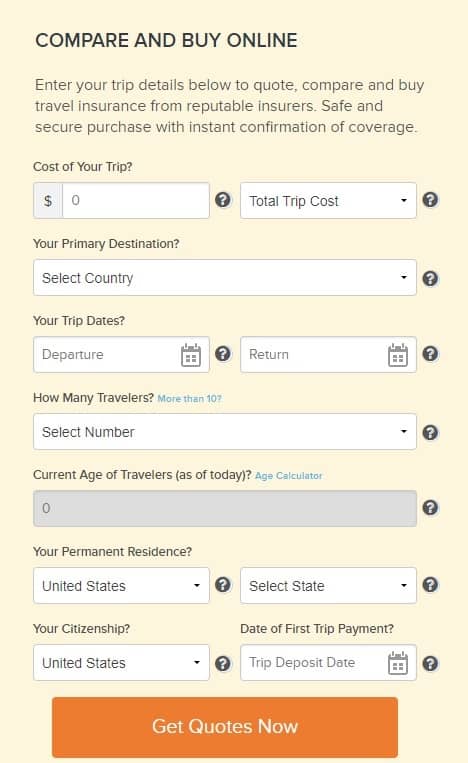
Compare All Travel Insurance Here
The Coverage That Matters Most In 2026
If you are comparing policies, focus less on brand hype and more on limits, exclusions, and definitions. Trip cancellation coverage should match the amount of prepaid, nonrefundable travel expenses you actually have. Do not insure refundable bookings you could cancel anyway.
For medical coverage, higher limits are usually worth considering for international trips. Emergency evacuation deserves a close look too, especially for cruises, hiking trips, island destinations, and anywhere far from major hospitals. A policy that looks affordable can still be weak if evacuation coverage is low or tightly restricted.
Travel delay coverage matters more now because delays can trigger a chain reaction. Missed connections can mean extra hotel nights, replacement transport, and lost reservations. Check how many hours of delay are required before benefits kick in, because that threshold varies.
If you are carrying expensive outdoor gear, camera equipment, or work tech, read baggage terms carefully. Many travelers assume their belongings are fully protected and only find out later that sub-limits are strict. Sometimes a credit card benefit or separate personal property coverage does more here than a travel policy.
What To Skip or Downgrade
This is where you can save money. If your airfare was booked with points and your taxes and fees were minimal, you may not need to insure the full retail value of that flight. If your hotel has a flexible cancellation policy, do not count it as a nonrefundable loss just to inflate coverage.
Rental car coverage is another area where it depends. If you already have strong car insurance or credit card benefits, buying overlapping travel policy coverage may be unnecessary. The same goes for accidental death flight coverage, which sounds dramatic but is often less useful than stronger medical and evacuation benefits.
Cancel for any reason upgrades can be helpful for travelers with unpredictable schedules or concerns that fall outside standard covered reasons. But they are expensive and usually reimburse only part of your trip cost. Good fit for some travelers, overkill for others.
Credit Card Insurance Versus Standalone Policies
Credit card travel protections can be genuinely useful, especially for trip delay, baggage delay, rental car coverage, or trip cancellation on eligible bookings. But they are not a full replacement in every case.
The catch is that card benefits depend on how you paid, what card you used, and the exact language of the benefit guide. Coverage may be secondary, limited to certain travelers, or missing strong medical protection altogether. That is why frequent travelers who rely on points should pay close attention. You might be covered for part of the trip, not all of it.
A standalone policy usually makes more sense for international travel, cruises, expensive multi-stop itineraries, adventure trips, or any trip where medical care abroad would be your biggest financial risk.
Adventure Travel, Cruises, and Road Trips Need a Closer Look
This is where a generic policy can let you down. If you are zip-lining, scuba diving, trekking at elevation, riding motorcycles, or doing anything an insurer labels hazardous, read the exclusions carefully. Some policies cover adventure activities well. Others quietly do not.
Cruise travelers should pay extra attention to medical and evacuation benefits. Medical care onboard can be expensive, and evacuation from a ship or a distant port is not the kind of bill you want to test out of pocket.
Road trips seem lower risk, but they can still justify insurance if you have prepaid cabins, park lodges, ferry bookings, or event tickets tied to the route. For domestic driving trips, the value often comes more from protection against interruptions and delays than from medical coverage.
How To Shop Smarter Without Overpaying
The best way to use this travel insurance guide 2026 is to shop backward from your actual trip. List your nonrefundable costs. Identify your biggest risk. Then compare policies based on the parts that protect against that risk.
Do not buy based on one catchy feature. Read the covered reasons for cancellation. Look at the delay threshold. Check baggage sub-limits. Verify pre-existing condition rules if relevant, because eligibility often depends on buying within a set window after your first trip payment.
Also, be realistic about your own travel style. If you book cheap, flexible trips and can roll with changes, you may need less coverage. If you stack flights, trains, excursions, remote stays, and prepaid experiences into a tight itinerary, even a budget trip can carry meaningful financial exposure.
For travelers who want more freedom and fewer expensive surprises, insurance works best as a tool, not a ritual. Buy it when the numbers make sense. Skip the fluff. Protect the parts of the trip that could seriously hurt your wallet or derail the experience.
That is the sweet spot – not being scared into overinsuring every weekend getaway, and not pretending a major international trip has no downside if things go sideways.
Brit On The Move™ Travel Resources
Ready to book your next trip? Use these resources that work:
Was the flight canceled or delayed? Find out if you are eligible for compensation with AirHelp.
- Hotels: Find the best prices; use Booking.com
- Apartment Rentals: Find the best prices on apartment rentals with Booking.com’s Apartment Finder.
- Travel Insurance: Don’t leave home without it. View our suggestions to help you decide which travel insurance is for you: Travel Insurance Guide.
- Credit Cards: Check out our recommendations for Travel Credit Cards.
- Volunteer Vacation or a Working Holiday? Check out the complete guide here!
- Rental Cars: Find the best deals here!