
Florida Springs

Learn about Florida Springs With Brit on the Move™

Florida is home to over 1000 natural springs between the sun-soaked beaches of the Gulf of Mexico and the Atlantic Ocean, which have drawn people to the state for thousands of years.

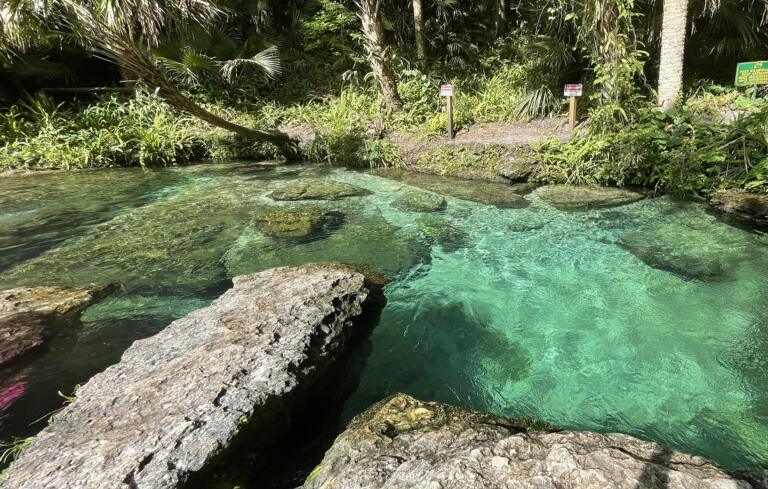
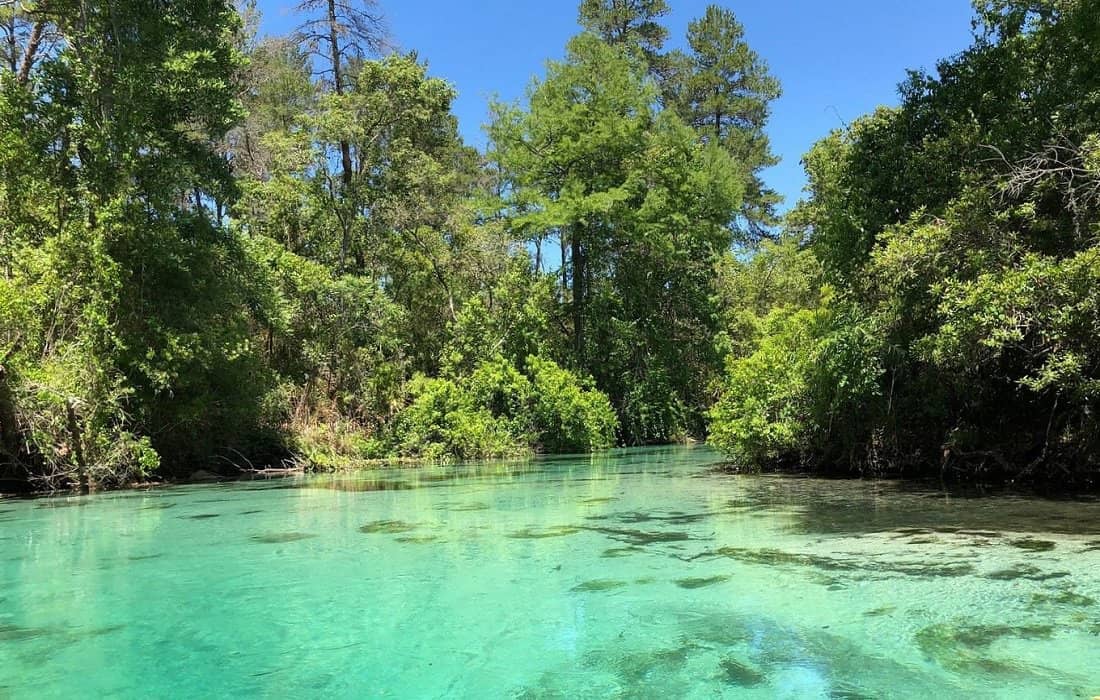
Royal Springs

What Is A Spring?

Contrary to popular belief, they aren’t just the source of fresh water; they’re just one part of the long journey water takes from the atmosphere to the land surface, into the ground through the Floridan Aquifer, and back to the surface.

Why Are They Important?

They are of great ecological importance and are home to hundreds of plants and animals. They also provide drinking water that comes from the aquifer.

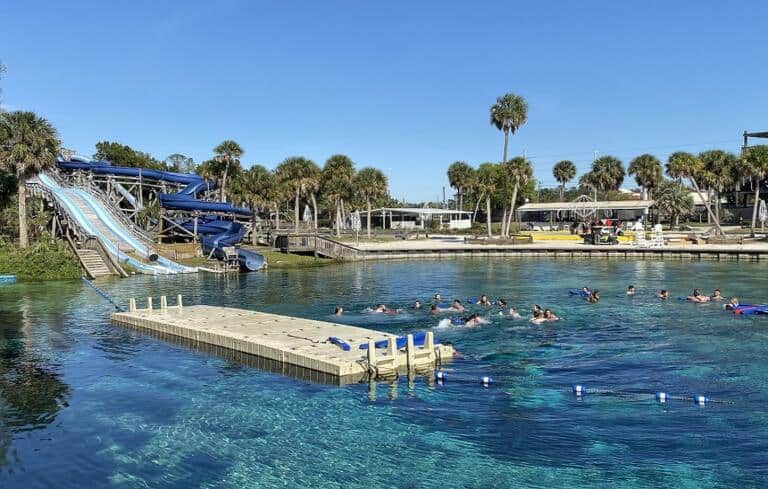
Kayak Weeki Wachee Springs

Access To Florida Springs

Five government agencies manage these bodies of water. The Florida Springs region has four water management districts, the first being the Florida Department of Environmental Protection.

Some are state-run and state parks. Some are private; some are neither and are remote.

Magnitude Types of Florida Springs: A Clear Guide to Classification and Importance

You’ll quickly grasp that spring “magnitude” simply measures how much water a spring discharges each day, and that Florida sorts springs into categories from first magnitude (the largest) down through smaller classes. First-magnitude springs discharge at least 100 cubic feet per second and drive the state’s most visible springscapes, while lower magnitudes mark progressively smaller but still ecologically important flows.

As you move through the article, you’ll see how those categories translate to real places, from well-known giants like Wakulla and Silver Springs to numerous smaller springs scattered across the state. You’ll also learn why magnitude matters for recreation, wildlife habitat, and conservation planning, so you can judge the significance of any spring you visit or study.

Overview of Magnitude Types of Florida Springs

Florida springs are classified by the volume of water they discharge, the historical record of that flow, and standardized thresholds that determine a spring’s magnitude. You will find specific discharge ranges, how those categories developed, and the rules agencies use to rank springs.

Definition of Magnitude Types

Magnitude types assign a numeric class to a spring based on average daily discharge measured in gallons per day (gpd). A first‑magnitude spring discharges at least 64 million gallons per day (about 100 cubic feet per second). Each lower magnitude represents roughly a tenfold decrease in typical discharge (second magnitude ≈ 6.4–63.99 million gpd, third magnitude ≈ 0.64–6.39 million gpd, and so on).

You should expect these categories to be practical thresholds used by hydrologists. They simplify comparison of springs’ sizes and help prioritize monitoring, protection, and public interpretation. The magnitude label describes long‑term average flow, not short‑term fluctuations from storms or droughts.

Historical Classification System

The magnitude system traces to early 20th‑century hydrology and became a standard for comparing springs worldwide. Scientists used measured or estimated average discharges to create discrete magnitude bins that are still in use today. In Florida, this system gained prominence because the state contains a uniquely large number of high‑flow springs.

You will see references to “historic first‑magnitude springs” in state law and technical reports; that term denotes springs that historically averaged first‑magnitude discharge even if present flows have changed. Agencies and researchers maintain lists based on the best available long‑term records and geological surveys.

Criteria for Ranking Springs

Ranking rests on measured average discharge, the length and reliability of the record, and sometimes hydrologic context (spring groups or river rises). Agencies use long‑term flow data—typically multi‑year averages—from gauging stations or hydrologic studies to determine magnitude. When direct measurements are unavailable, estimates derive from tracer tests, dye studies, or watershed and aquifer modeling.

Key criteria you should note:

  • Measured average daily discharge (primary criterion).
  • Historical records and the period of record used to compute averages.
  • Classification of grouped springs or river rises collectively when vents function as a single discharge source.

These criteria ensure consistency across listings and inform management decisions such as protection designations and water‑resource planning.

Florida Spring Magnitude Categories

You’ll find springs classified by the volume of water they discharge, which affects ecosystem support, water supply value, and recreational use. The following categories describe typical flow ranges, management priorities, and what to expect at each type of spring.

First Magnitude Springs

First magnitude springs discharge at least 64 million gallons per day (about 100 cubic feet per second). These are the largest springs in Florida and often form large spring runs, persistent pools, or clear groundwater-fed rivers that support diverse aquatic habitats.

You can expect strong, steady flows that historically defined many “Outstanding Florida Springs.” They frequently sustain year-round baseflow for downstream rivers and are focal points for water-resource management, recreation, and tourism.

Management and protection priorities for these springs include monitoring long-term discharge, controlling nutrient inputs to prevent algal growth, and preserving groundwater recharge in the surrounding aquifer. Ownership and public access vary; some are within state parks while others are privately held.

Second Magnitude Springs

Second magnitude springs discharge between 10 and 100 cubic feet per second (about 6.4 to 64 million gallons per day). These springs are common in Florida and collectively contribute a significant portion of the state’s total springflow.

You’ll often find second-magnitude springs forming smaller runs or sizable pools that still support fish, submerged vegetation, and recreational activities such as swimming and kayaking. Flow can be more variable seasonally and in response to groundwater level changes.

Management focuses on maintaining adequate aquifer recharge and reducing contaminants from nearby land use. Because many second-magnitude springs are numerous and dispersed, you should watch both local watershed practices and broader groundwater withdrawals that influence their flow.

Third Magnitude Springs

Third magnitude springs discharge between 1 and 10 cubic feet per second (about 0.64 to 6.4 million gallons per day). These springs typically create modest pools or small runs and can be sensitive indicators of local groundwater conditions.

You’ll notice greater variability in flow and water clarity compared with higher-magnitude springs. Third-magnitude springs often support localized wetlands and provide important habitat for amphibians, invertebrates, and aquatic plants.

Protection priorities include preventing localized pollution and preserving nearby recharge areas. Small changes in pumping or land use can noticeably alter flow or water quality, so these springs are useful early-warning sites for aquifer health.

Lower Magnitude Springs and Variations

Lower magnitude springs include fourth through sixth magnitude springs and smaller seeps, discharging less than 1 cubic foot per second. These features range from intermittent seeps to small perennial vents and often occur in clusters or as part of larger spring complexes.

You’ll encounter high sensitivity to seasonal rainfall and groundwater extraction. Many lower-magnitude springs are submerged or hidden in marshes and can be easily overlooked during surveys, yet they collectively influence local hydrology and ecosystems.

Variations include historically-assigned magnitudes, which use pre-2001 median flows, and grouped spring vents that are reported together. For management, you should consider both the measured discharge and the spring’s role in local surface-water connectivity when assessing protection needs.

Distribution and Examples of Florida Springs by Magnitude

You will find Florida springs grouped by discharge magnitude, with the largest clustered in a few river systems and many smaller springs scattered across the Floridan Aquifer. Examples below show where first- and second-magnitude springs concentrate and which geologic factors control their locations.

Major First Magnitude Springs in Florida

First-magnitude springs discharge at least 100 cubic feet per second (about 65 million gallons per day). You can visit well-known first-magnitude springs such as Silver Springs, Wakulla Spring, Weeki Wachee, Rainbow Springs, and Ichetucknee Springs. These springs supply large continuous flows to rivers and are often focal points for recreation and conservation.

  • Silver Springs (Marion County): large, clear flow feeding the Silver River.
  • Wakulla Spring (Wakulla County): one of the deepest and most voluminous, feeding Wakulla River.
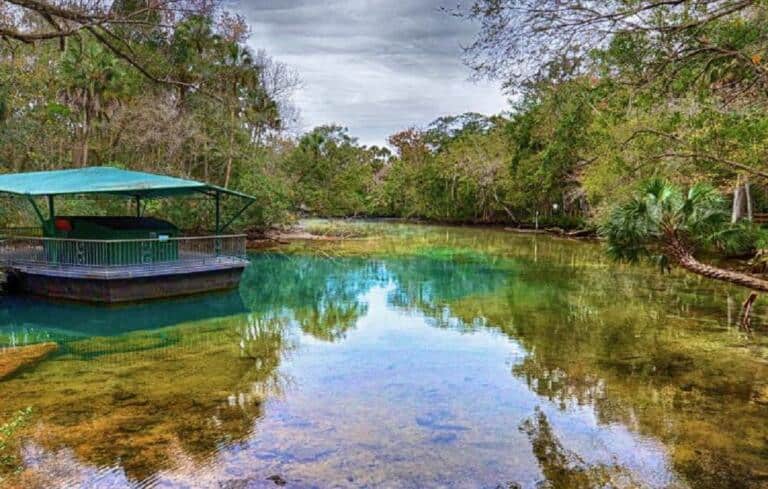
  • Weeki Wachee (Hernando County): strong perennial discharge into Weeki Wachee River.

First-magnitude springs account for a substantial share of Florida’s spring water by volume, so changes in their flow affect downstream river systems and habitats. Many are on public or protected lands to safeguard water quality and access.

Significant Second Magnitude Springs

Second-magnitude springs discharge between 10 and 100 cubic feet per second. You will encounter many important recreation and ecological springs in this class, including numerous springs that form riverheads, spring runs, and wetland complexes.

Examples include:

  • Blue Spring (Volusia County): seasonal attraction for manatees and swimmers.
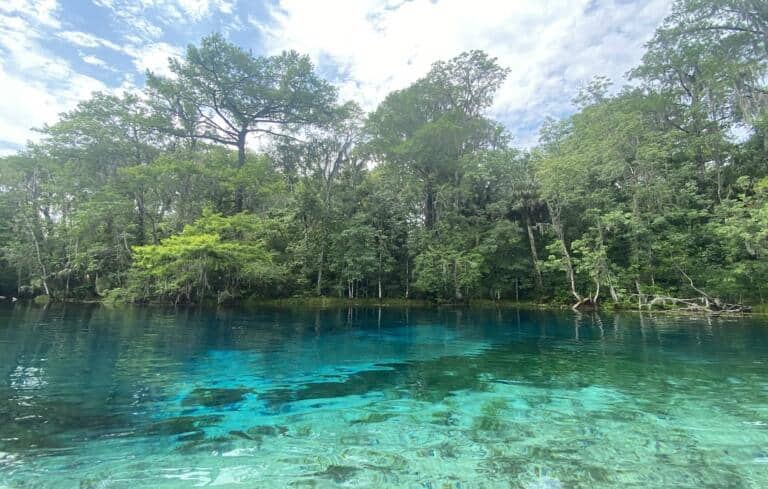
  • Silver Glen Springs (near Ocala): steady flow and notable clarity.
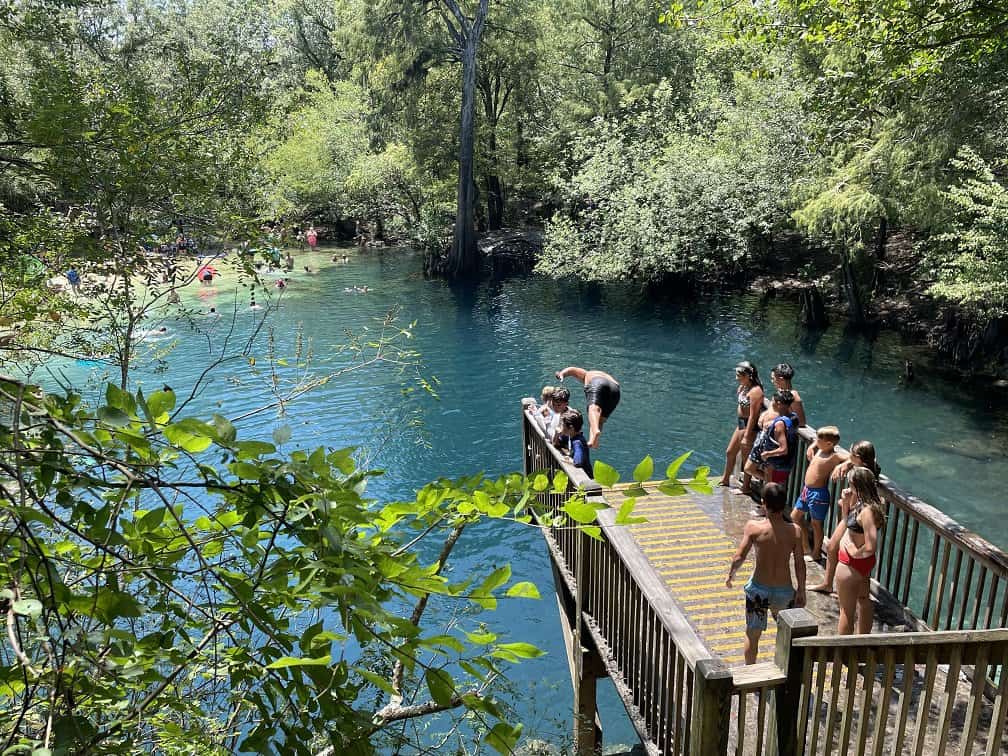
  • Ginnie Springs (Gilchrist County): popular for tubing and diving, with substantial but smaller discharge than first-magnitude springs.

Second-magnitude springs often serve local water needs, support spring runs that feed larger rivers, and maintain cooler aquatic habitats. Their flow is more sensitive to local groundwater withdrawals and land-use change than the largest springs.

Regional Patterns and Geological Factors

You will notice first- and second-magnitude springs concentrate along the karst-fed Floridan Aquifer, especially where limestone is near the surface and river valleys incise the aquifer. Northern and central Florida host many of the largest springs; coastal and inland sinkhole plains also produce clusters of springs.

Key controls:

  • Karst limestone porosity and solution conduits increase discharge where developed.
  • Aquifer recharge zones (forests, wetlands) sustain higher flows.
  • River incision and lowland valleys focus groundwater emergence into spring vents.

Human factors matter too: wellfields, urbanization, and nutrient runoff alter discharge and water quality. You should pay attention to land use in recharge areas if you want to understand long-term spring behavior.

Importance of Magnitude Types for Conservation and Recreation

Magnitude classes determine spring flow, water chemistry, and access, which in turn shape habitat quality, visitor safety, and the scale of management actions. Knowing a spring’s magnitude helps you prioritize restoration, set withdrawal limits, and design appropriate recreational infrastructure.

Ecological Significance

First- and second-magnitude springs supply the largest, most stable baseflows to rivers and springsheds, so they sustain downstream flow during dry seasons and droughts. Those constant flows keep water temperatures steady and support submerged aquatic vegetation, sturgeon, manatees, and specialized invertebrates that depend on clear, cool water.

Smaller springs still matter because clusters of second- and third-magnitude vents can create localized refugia for fish and amphibians. Nutrient loads and groundwater pressure differ by magnitude, so you can expect water clarity and algal risk to change with flow class. Management plans therefore target first-magnitude systems for broad ecosystem protection while addressing smaller springs to maintain habitat mosaics.

Impacts on Human Activity

Higher-magnitude springs attract more recreation: paddling, snorkeling, and swimming concentrate at large springs with reliable flow and safe depths. You should find sturdier infrastructure—boat ramps, parking, and lifeguards—at first-magnitude sites because visitation and liability are greater.

Water supply and agricultural withdrawals link directly to magnitude. First-magnitude springs contribute substantial baseflow to rivers and aquifers; reducing those flows can impair municipal intakes and irrigation. Conversely, lower-magnitude springs can be more sensitive to nearby pumping and land-use change, so small-scale development or septic failures often show faster, measurable declines in water quality at those sites.

Monitoring and Management Practices

You should prioritize continuous flow and water-quality monitoring at first-magnitude springs because they represent large portions of regional discharge. Typical programs include automated flow gauges, monthly nutrient sampling (nitrogen and phosphorus), and seasonal biological surveys for macrophytes and indicator species.

For smaller springs, targeted tracer tests and shorter-term sampling campaigns help identify contamination sources and connectivity to the aquifer. Management actions you’ll encounter include basin management action plans (BMAPs), flow restoration projects (aquifer recharge or reduced withdrawals), and visitor-capacity measures such as limited access or boardwalks. Use magnitude-specific thresholds for restoration success so your interventions match the spring’s scale and resilience.

Best Of Florida Springs & Rivers

Long before theme parks came to town, the freshwater springs were the top tourist attraction in the state. Join us across the state to explore 40 of the best springs in Florida that you can still visit today. Filled with vivid photos from the past and present, this guide will show you a side of the Sunshine State you won’t see in commercials. Complete with information on conservation and a key for activities offered, this book is a must-have for locals and tourists alike.

Best Of Florida Springs & Rivers

Here Are Some Of The Best: