Unleash Adventure in Homosassa Springs, Florida: Your Ultimate Guide to an Unforgettable Visit
Homosassa Springs is well known to most people in Florida. The town of Homosassa is considered by many to be the scalloping capital of Florida. And, many folks will tell you it’s the manatee capital of Florida. Homosassa is indeed famous for both, but the neighboring town of Crystal River also claims these accolades. Regardless, one thing that’s unique to Homosassa is Homosassa Springs.
This is not a peekaboo spring where you go and observe the water residents. It’s not a traditional cool-off in the water or a spring tube. Homosassa Springs is a wildlife conservation area with a lot to see and do. And it used to be home to one of its most unusual residents, “Lu,” a hippo who turned sixty in 2020. Sadly, Lu, Lucifer, passed away on June 8th, 2026.
Are you interested in knowing everything you can do in Homosassa Springs? Then you’ve come to the right place. Here we’ll talk about everything you need to know about Homosassa Springs. Also, we will answer some frequently asked questions that can help you on your journey to this beautiful place in Florida.
This post may contain affiliate links. Please read our disclosure and privacy policy for more information.
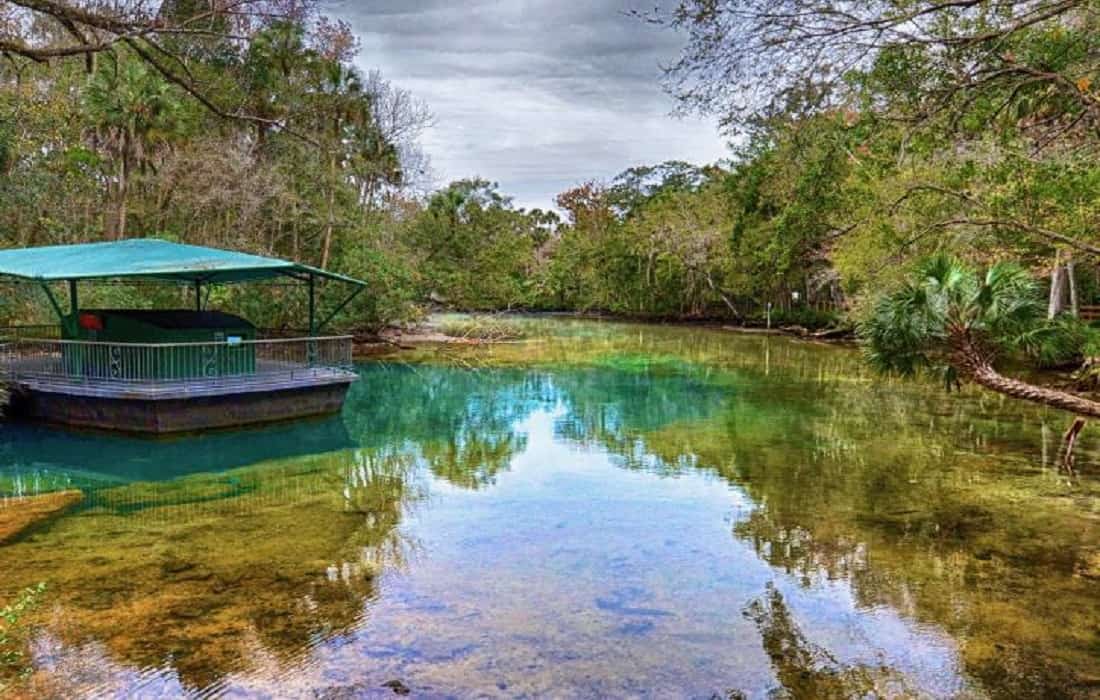
Image Credit: Ellie Schiller Homosassa Springs Wildlife State Park
Why Visit Homosassa Springs?
It is common to think of Florida as having only beaches, palm trees, sand, and theme parks. Although this may be somewhat true, Homosassa is home to Homosassa Springs, and there’s plenty to see and do. If you are still not sure why you should visit Homosassa Springs at least once in your life, here are some reasons you should consider it:
- This is traditional, untouched, uncommercialized Florida at its best.
- It’s almost guaranteed you’ll see manatees. Wild manatees are here all winter long. And, there are some resident manatees in rehabilitation.
- This state park is perfect for those who love manatees, as you can observe them being fed.
- You will learn about native (and some non-native) Floridian animals that live here.
- Homosassa is an escape from the daily grind. In other words, it is a natural oasis to escape everyday stress.
- You can walk in the park, go boating, or kayak in the spring. However, you cannot enter the spring head-on into the water within the park. It’s roped off for the animals’ safety.
Florida Springs Etiquette – Leave No Trace Behind
It’s everyone’s right to visit Florida Springs. However, we all have a moral duty to leave them as we found them or better for others to enjoy. Here are some simple steps to ensure that our springs are kept pristine:
- Plan Ahead & Prepare: Know regulations (like springs protection zones), check the weather, and have appropriate gear.
- Travel & Camp on Durable Surfaces: Stick to trails; avoid creating new paths.
- Dispose of Waste Properly: Pack out everything (trash, food scraps, cigarette butts).
- Leave What You Find: Take photos, not plants, rocks, or shells.
- Minimize Campfire Impacts: Use designated rings and ensure fires are cold and out.
- Respect Wildlife: Observe from a distance; do not feed animals.
- Be Considerate of Others: Keep noise down and remove all personal items (chairs, toys, kayaks) daily.
Specific Florida Springs Actions
- In the Water: Don’t stand on vegetation or kick up silt; use mushroom anchors instead of hooks; trim boat motors in shallow areas; avoid landing boats on banks.
- On Shore: Fill holes in the sand; don’t climb trees or use rope swings.
- Boating: Turn off propellers when waiting for swimmers to pass to protect vegetation and wildlife.
Go The Extra Mile
- Pick up any trash others left
- Report any violators
- Report any distressed wildlife
The History Of Homosassa Springs
Homosassa Springs is a location that has been inhabited by humans for a long time and is now a state park. Native Americans were known to have lived on the grounds long ago.
In 1851, David Yulee purchased land from William Cooley and initiated development, constructing a sugar plantation to attract more people to the area. After the Civil War, investors acquired the land left by Yulee and transformed it into the special place it is today, attracting tourists. During Yulee’s era, tourists could access Homosassa Springs by train.
Remnants of the sugar plantation still stand outside the park. They are called Yulee Sugar Mill Ruins Historic State Park.
Yulee Sugar Mill Ruins Historic State Park
At Yulee Sugar Mill Ruins Historic State Park, you can explore the remnants of the 5,100-acre sugar plantation. This is not a full-day outing, but rather more of an hour or two, and it’s worth looking at. You’ll find a 40-foot limestone masonry chimney, iron gears, and a cane press.
The steam-driven mill operated from 1851 to 1864 and supplied sugar products to Southern troops during the Civil War.

The park contains remnants of the once-thriving, 5,100-acre sugar plantation, including a 40-foot limestone masonry chimney, iron gears, and a cane press. The steam-driven mill operated from 1851 to 1864 and supplied sugar products to Southern troops during the Civil War.
During the mid-20th century, the Norris Development Company purchased all the land. And expanded the entire park as we know it today. On the other hand, the Felburn Foundation was one of the financial foundations that enabled the Homosassa Springs area to meet its basic educational needs.
Location Of Homosassa Springs
Homosassa Springs is in Florida, specifically in Citrus County, on the Gulf Coast. This county is north of Tampa, west of Orlando, and south of Gainesville. In case you do not know the references that we are giving you, here is the exact address:
- 4150 S. Suncoast Boulevard, Homosassa, FL 34446
Getting to Homosassa Springs
There are many ways to get to Homosassa Springs, depending on where you are in Florida and how you want to get there. By car:
- South of Homosassa Springs (Tampa), we recommend taking I-275 and reaching the park via FL-589 Toll S.
- The best option is to head north of Homosassa Springs (Gainesville) and take FL-121, then US-41 S, and finally US-98 S/N.
If you are flying, the closest airport is Tampa International Airport.
Where To Stay Near Homosassa Springs
If you love nature and enjoy camping, you will be happy to know you can camp in Homosassa Springs if you make a reservation in advance. In case you want to see nature, but sleep with the comforts of civilization, then you can stay at the following places that are close to Homosassa Springs:
- Brooksville
- Citrus Hills
- Crystal River
- Tampa
- Spring Hill
Lu The Hippo
A hippo in Florida? Yes, I know this may sound strange, since it is an exotic animal not native to the area, but there is a fascinating story behind it.
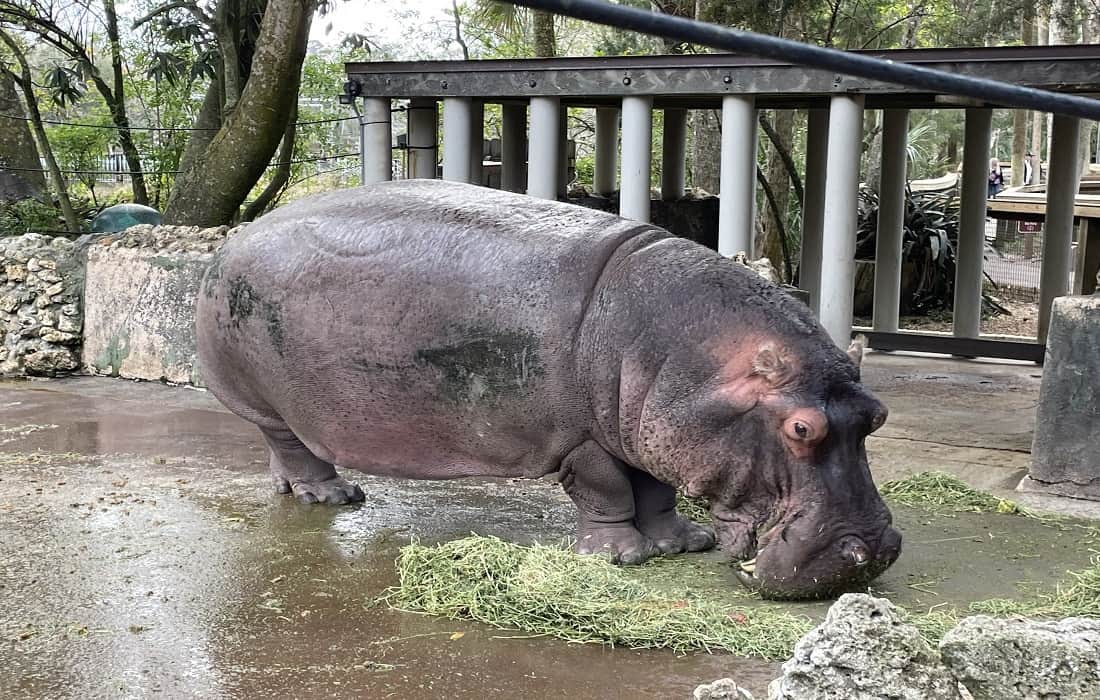
The hippo Lucifer, also known as “Lu,” was born in 1960 and was brought to Homosassa to participate in various movies and television series. However, Lu had to leave his home for more than 20 years because all the animals of Ivan Tors Animal Actors had to vacate the park.
People loved Lu as a member of Homosassa. They petitioned Governor Lawton Chiles in 1989 to relocate Lu to Homosassa. After a few days, Lawton Chiles allowed Lu to stay in Homosassa Springs and made him an honorary citizen of the state of Florida. Sadly, Lu passed on June 8th, 2026.
Impressive, right? There are many more stories in this beautiful natural park.
Homosassa Springs Manatees
At Homosassa Springs, manatees are the star attraction. Wild manatees flock to Homosassa Springs as winter approaches and seek out warmer springs for the cold season. Also, this migration enables the identification of injured manatees that need specialized veterinary treatment.
Homosassa Springs is a rehabilitation center for injured manatees. The rehabilitated ones are sectioned off in a separate area from the wild ones. Homosassa Springs is one of the few authorized manatee rescue centers in Florida. They have been operating a manatee rescue program for over 30 years. Part of their rehabilitation is food. There’s a separate area of the mainspring where the manatees are fed daily. Once they have eaten as much as they want, they return to their sectioned-off part of the spring.
Feeding Rehabilitated Manatees At Homosassa Springs
We said that Homosassa Springs Wildlife State Park is a sanctuary for injured and migrating manatees. It’s possible to see the manatees being fed and interact with them from the central platform.
Things To Do At Homosassa Springs
Homosassa Springs is an excellent place for all travelers looking to explore nature and see native Florida wildlife. This state park is engaging, with activities beyond the spring.
Fish Bowl Underwater Observatory
If you have never experienced an underwater observatory before, here is your chance. This is a unique opportunity to see manatees in their natural underwater habitat. The Fish Bowl observatory is a 55-foot-deep glass ball that has been in operation for over 50 years, allowing you to see all the marine species living in this natural park.
It is being refurbished to include facilities for people with disabilities.
BirdWatch
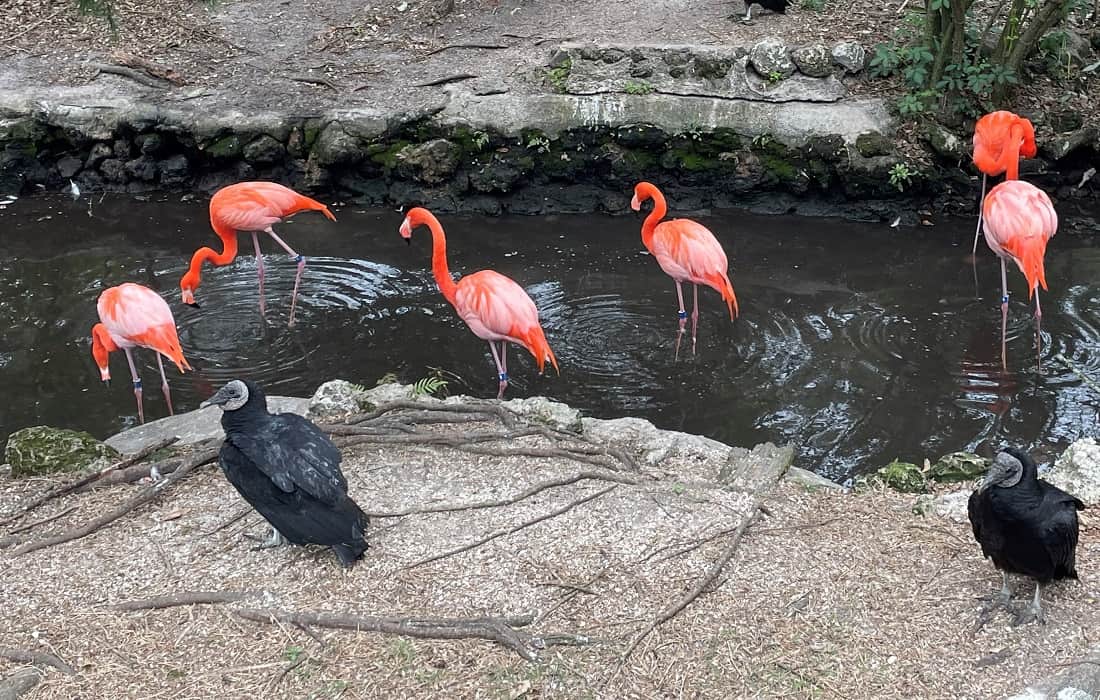
There are so many birds at Homosassa Springs that you can spend at least an hour or two watching them. You name the bird, and it’s here, including ones that do not live here.
Nature Trails
Homosassa Springs offers several nature trails. Here are the different trails you can choose from:
- Rooks Trail West
- Wes Burnt Bridge Road
- Pepper Creek Trail
- Oak Park North Trail
- Hog Pond Trail
The Reptile House
It is common to see fish, manatees, and birds in Homosassa Springs, but reptiles are also essential to this park and Florida. In addition to being a sanctuary for manatees, the reptile house is home to an excellent section of the most exotic and familiar animals that you can find in the area.
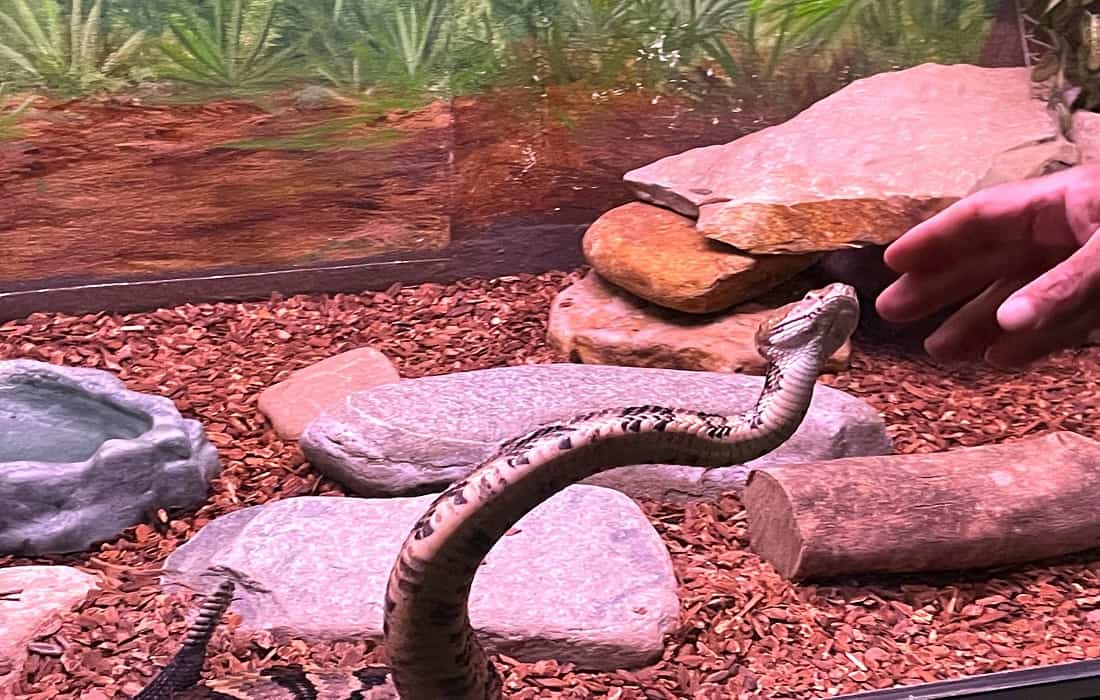
The reptile house is not for the faint of heart. Many of the snakes follow you, and as you can see from this picture, if you place your hand near the windows, the snakes will rise! I got chills watching this, but I am scared of snakes!
Best Of Florida Springs & Rivers
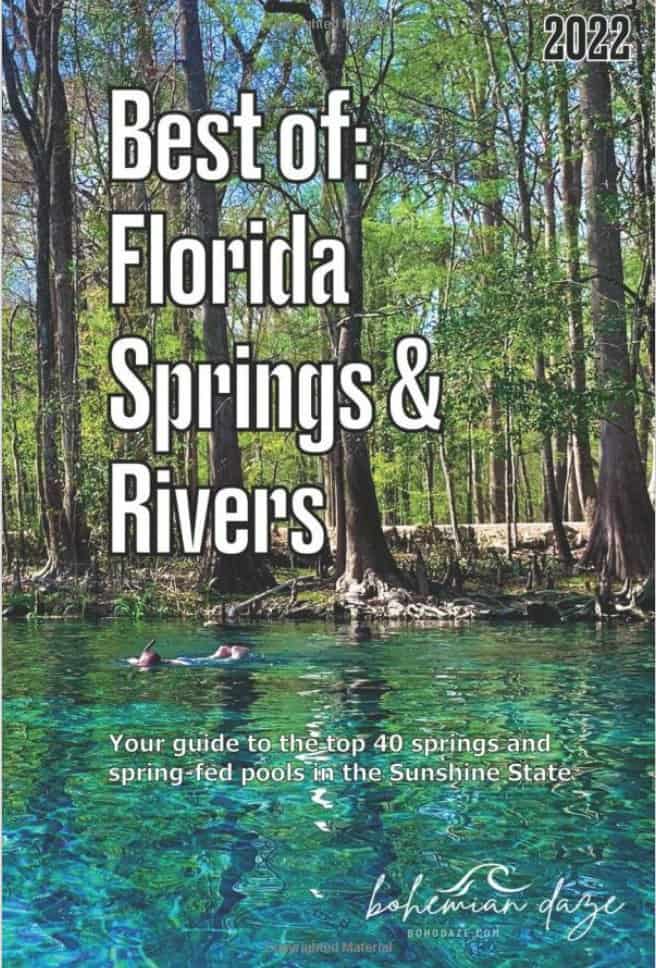
If you love springs, then you need this book! Florida is home to over 1000 natural springs between the sun-soaked beaches of the Gulf of Mexico and the Atlantic Ocean, which have drawn people to the state for thousands of years.
Long before theme parks came to town, the freshwater springs were the top tourist attraction in the state. Join us across the state to explore 40 of the best springs in Florida that you can still visit today. Filled with vivid photos from the past and present, this guide will show you a side of the Sunshine State you won’t see in commercials. Complete with information on conservation and a key for activities offered, this book is a must-have for locals and tourists alike.
FAQs About Homosassa Springs
Why is it called Ellie Schiller Homosassa Springs Wildlife State Park?
Elmyra Felburn Schiller was responsible for convincing her father’s foundation to help educational institutions in Homosassa. That is why the park is named after her.
How much does it cost to get into Homosassa Springs?
Adults over 13 years old must pay $13
Children from 6 years to 12 years must pay $5
Children under five years old have a free rate
Closing Thoughts
Just outside the Homosassa area and connected to it, additional experiences expand on what the state park offers. The Homosassa River offers guided manatee tours, kayaking, and airboat rides through nearby operators, giving visitors a chance to see wildlife in a less structured, more natural setting. Nearby marinas and tour companies offer snorkeling with manatees in designated areas (not inside the state park itself), which is one of the most unique wildlife interactions in Florida. Fishing charters, scalloping trips in season, and river cruises are also common extensions of a visit to the springs.
Florida has many historical and natural sites to see, but Homosassa Springs is one you cannot miss. Homosassa Springs Wildlife State Park is family-friendly, and walking there can become a family routine for creating memories.
Here are some of the most popular springs in Florida:
- 20 Best Places to Kayak in Florida
- Amphicar Disney Springs – The Most Unusual Attraction
- Cassadaga, Florida – The Psychic Capital Of The World
- Homosassa Springs Florida
- Ozello Florida
- Rainbow River – Why You Should Visit
- Swim With Manatees at The Crystal River, Florida
- Yulee Sugar Mill Ruins Historic State Park
We participate in the Amazon Services LLC Associates Program, an affiliate advertising program designed to provide a means for us to earn fees by linking to Amazon.com and affiliated sites.
Brit On The Move™ Travel Resources
Ready to book your next trip? Use these resources that work:
Was the flight canceled or delayed? Find out if you are eligible for compensation with AirHelp.
- Hotels: Find the best prices; use Booking.com
- Apartment Rentals: Find the best prices on apartment rentals with Booking.com’s Apartment Finder.
- Travel Insurance: Don’t leave home without it. View our suggestions to help you decide which travel insurance is for you: Travel Insurance Guide.
- Credit Cards: Check out our recommendations for Travel Credit Cards.
- Volunteer Vacation or a Working Holiday? Check out the complete guide here!
- Rental Cars: Find the best deals here!