Travel Visa Requirements Guide for U.S. Travelers: Unlock Seamless and Confident Global Adventures
A nonrefundable flight deal can stop looking clever the moment an airline agent asks for a document you did not realize you needed. Visa rules are one of those unglamorous parts of trip planning that can cost far more than a nicer hotel if you get them wrong. This travel visa requirements guide helps U.S. travelers sort out what to check, when to apply, and how to avoid expensive assumptions before departure.

This post may contain affiliate links. Please read our disclosure and privacy policy for more information.
The key is to treat entry requirements as part of the trip budget and timeline, not a box to tick the night before you fly. A $25 electronic authorization may be easy. A consular visa requiring an appointment, a mailed passport, proof of funds, and several weeks of processing is a completely different planning problem.
Start With the Right Question: What Do You Need to Enter?
“Do I need a visa?” is a useful starting point, but it is not the whole question. Your destination may allow Americans to visit visa-free for a limited number of days, yet still require an electronic travel authorization before boarding. In other cases, you may need a visa on arrival, an eVisa, a consulate visa, or a transit visa for a long layover in another country.
Your requirements depend on your passport, not where you live. A U.S. citizen traveling on a U.S. passport may face different rules than a green card holder departing from the same airport. Dual citizens should also compare the requirements for each passport they can legally use. The easier document is not always the best choice if one passport creates different entry or exit obligations.
Purpose matters, too. Tourism, business meetings, journalism, volunteer work, paid work, studying, and long stays can all trigger different rules. Do not assume “I am not getting paid” means you can enter as a tourist. Volunteer programs, content creation assignments, and remote work can sit in gray areas, and immigration officers have the final say at the border. Hence why this travel visa requirements guide is what you need.

The Travel Visa Requirements Guide Checklist
Before booking anything you can’t refund, verify requirements through the destination country’s official immigration authority or the embassy or consulate serving your area. Then confirm what your airline will require to let you board. Airlines are strict because they can be fined and required to fly inadmissible passengers back.
Check these details as a package rather than looking only for the word “visa”:
- Passport validity: Many countries require six months of validity beyond your arrival or departure date. Some use a three-month rule, and some require blank visa pages. A technically unexpired passport can still be unacceptable.
- Entry authorization: Find out whether you need a visa, eVisa, electronic authorization, visa on arrival, or nothing in advance. Confirm whether approval must be printed or can be shown digitally.
- Length of stay: Visa-free does not mean unlimited. Count permitted days carefully, especially when visiting countries with regional rules or returning after a short side trip.
- Proof at the border: You may be asked for an onward ticket, hotel address, itinerary, proof of funds, travel insurance, vaccination documentation, or a letter explaining your visit.
- Transit rules: Changing planes can require its own permission, especially if you must collect bags, change airports, pass through immigration, or have a lengthy overnight stop.
Take screenshots or print copies of your approval, your return or onward ticket, accommodation details, and relevant insurance information. Phone batteries die, airport Wi-Fi fails, and a border counter is a terrible place to hunt through an inbox.

Know the Difference Between an eVisa and a Visa on Arrival
These terms are often used casually, but they are not interchangeable. An eVisa is usually approval obtained before travel through an online application. A visa on arrival is requested after landing, although some countries require an online pre-registration or payment first.
For budget travelers, the practical difference is risk. Visa on arrival may sound convenient, but it can mean a separate queue, cash-only payment, limited hours, or an officer deciding you don’t meet a requirement. An eVisa generally reduces airport uncertainty, as long as you use the official application channel and receive approval before flying.
Be wary of third-party visa sites that appear above official sources in search results. Some are legitimate processing services, but many charge steep markups for forms you can complete yourself. Others create confusion with vague claims about urgency. If a website does not clearly identify the government issuing the visa, pause before entering passport or payment details.
Apply Early, but Not Blindly Early
Timing is where travelers often overcorrect. Applying too late can wreck a trip, but applying far too early can also create problems because visas may have a limited validity window. If your visa is valid for 90 days from issue and your trip is six months away, that early application was not a victory.
Start researching as soon as a destination makes your shortlist. Once your dates are reasonably firm, check the visa’s processing time, validity period, appointment availability, and whether you must surrender your passport during processing. Build in room for requests for additional documents and holidays in both the U.S. and your destination.
If a visa requires bookings as evidence, use refundable hotels and flexible airfare where possible. Read the requirement closely before purchasing anything. Some countries want a confirmed itinerary, while others only need a proposed route. Paying for an elaborate, nonrefundable trip just to support a visa application isn’t always necessary.
Also factor in the quiet costs: passport photos, courier fees, application center service charges, document translation, notarization, and a possible trip to a consulate in another city. The visa fee might be modest while the process is not.
Prepare for the Questions Nobody Puts on the Booking Page
A valid visa is permission to seek entry, not a guarantee of entry. Immigration officers may ask why you are visiting, where you are staying, how long you will remain, and how you will support yourself. Answer directly and keep your documents consistent.
If your application says you are visiting for 10 days, arriving with no accommodation plan and a one-way ticket invites extra questions. That does not mean you need a minute-by-minute itinerary or luxury reservations. It means your story should make sense. Independent travelers can absolutely travel flexibly, but a first-night booking, a workable route, and evidence of onward plans are sensible safeguards.
Travel insurance can matter here, particularly where it is required for a visa or entry. Check the required coverage amount, geographic area, dates, and whether the policy certificate must name you exactly as your passport does. A basic policy that looks fine at purchase may not meet a country’s stated visa standard.

Common Mistakes That Can Derail a Good Trip
The most common error is relying on a friend’s experience from years ago. Entry rules change, sometimes quickly, and a rule for British, Canadian, or Australian passport holders may not apply to Americans. Social media can point you to a question, but it shouldn’t be your final source.
Another mistake is overlooking passport condition. Water damage, loose pages, heavy wear, or a damaged chip can lead to trouble even if the expiration date is fine. Renew early if there is any doubt. It is cheaper than replacing an international itinerary.
Finally, do not forget exit requirements. Some destinations require proof that you have paid a departure tax, completed a registration step, or obtained permission to leave if you overstayed. Keep track of the number of days you are allowed, including arrival and departure days when the country counts them that way.
Make Visa Planning Part of Smarter Travel
A little visa research can protect the deals you worked hard to find. It can also influence where you go. If you only have a long weekend, a destination with a time-consuming consular process may not be worth the hassle. Save that adventure for a longer trip and choose a lower-friction option now.
The best travel plans leave room for spontaneity after you land, not uncertainty before you board. Check the rules early, save your paperwork in more than one place, and spend your airport energy dreaming about the trip rather than negotiating your way onto the flight.
iVisa – The Complete Guide To Visa Requirements By Country
I’m familiar with some tools and services I’ve used before, and I’ve researched many new ones. When you research travel visa tools or services, you will find that most of them will give you a long list of country requirements that you need to read. Few have an easy-to-use search portal.
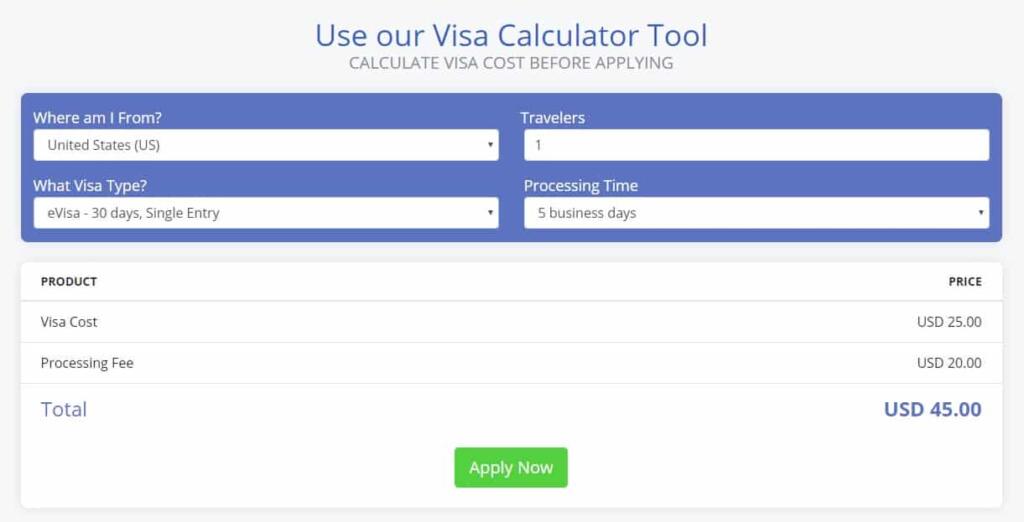
Enter the country you are from (where your issued passport is from) and where you are going, then hit Apply Now. It’s that easy.
What’s cool about this tool, beyond the convenience, is that even if you still prefer to apply for a visa yourself, it will give you up-to-date, accurate visa requirements by country and citizenship.
If you find the visa process overwhelming and don’t want to apply yourself, iVisa can process the visa for a nominal fee (typically between $20 and $35). iVisa’s tool will also show you all the costs for self-application or application through them:
Looking for more Travel Hacks? Start here:
- 5 Ways to Maximize Paid Time Off Work
- 20 Best Ways to Earn Lots of Credit Card Rewards Points
- Disney World Resorts on A Dime
- Free Airline Stopover Programs – Two Countries for One Price
- How to Budget Multi-City Trips Without Overspending
- Multi-City Flights – A Travel Hack You Need to Know!
- RCI Reservations – How to Make One
- Road Trip Budget Planner Unlocks Massive Savings and Stress-Free Adventures
- Timeshare Resale – Why You Should Buy One
- When Do You Need A Travel Visa?
Brit On The Move™ Travel Resources
Ready to book your next trip? Use these resources that work:
Was the flight canceled or delayed? Find out if you are eligible for compensation with AirHelp.
- Hotels: Find the best prices; use Booking.com
- Apartment Rentals: Find the best prices on apartment rentals with Booking.com’s Apartment Finder.
- Travel Insurance: Don’t leave home without it. View our suggestions to help you decide which travel insurance is for you: Travel Insurance Guide.
- Credit Cards: Check out our recommendations for Travel Credit Cards.
- Volunteer Vacation or a Working Holiday? Check out the complete guide here!
- Rental Cars: Find the best deals here!
I am glad I came across this article. The content is presented in a reader-friendly format, and the explanations make the topic much easier to understand. It is clear that useful information and readability have been given proper attention. A well-written post can make a big difference to someone searching for answers, and this article certainly offers an enjoyable experience. Thanks for sharing!