Cheap Adventure Travel That Actually Works
A lot of people assume adventure travel has to mean pricey safari lodges, bucket-list tours, or gear lists that cost more than the trip itself. That is exactly why cheap adventure travel gets misunderstood. The best budget-friendly adventures usually come from smart timing, flexible planning, and choosing experiences that feel big without carrying a luxury price tag.
If you work full-time, watch your spending, and still want trips that feel exciting rather than routine, this matters. You do not need a trust fund or a gap year to hike volcanoes, road trip through wild landscapes, sleep somewhere memorable, or try something that makes your regular week feel very far away. You need a better filter for what is worth paying for and what is not.
This post may contain affiliate links. Please read our disclosure and privacy policy for more information
What Cheap Adventure Travel Really Means
Cheap adventure travel is not about making yourself miserable to save $20. It is about getting maximum experience per dollar. Sometimes that means flying to a less obvious destination. Sometimes it means skipping the expensive guided version of something and doing the self-planned route instead. And sometimes it means paying a bit more in one area so the whole trip becomes easier and cheaper overall.
That distinction matters because much budget advice is too simplistic. The cheapest flight isn’t always the best value if it lands 80 miles from where you need to be and forces you to spend an extra night in a hotel. The cheapest accommodation is not a win if it leaves you stranded without transportation or safe storage for your gear. Adventure travel on a budget works best when you think in terms of the total trip cost, not just the headline price.
Start With Destinations Where Adventure Is Built In
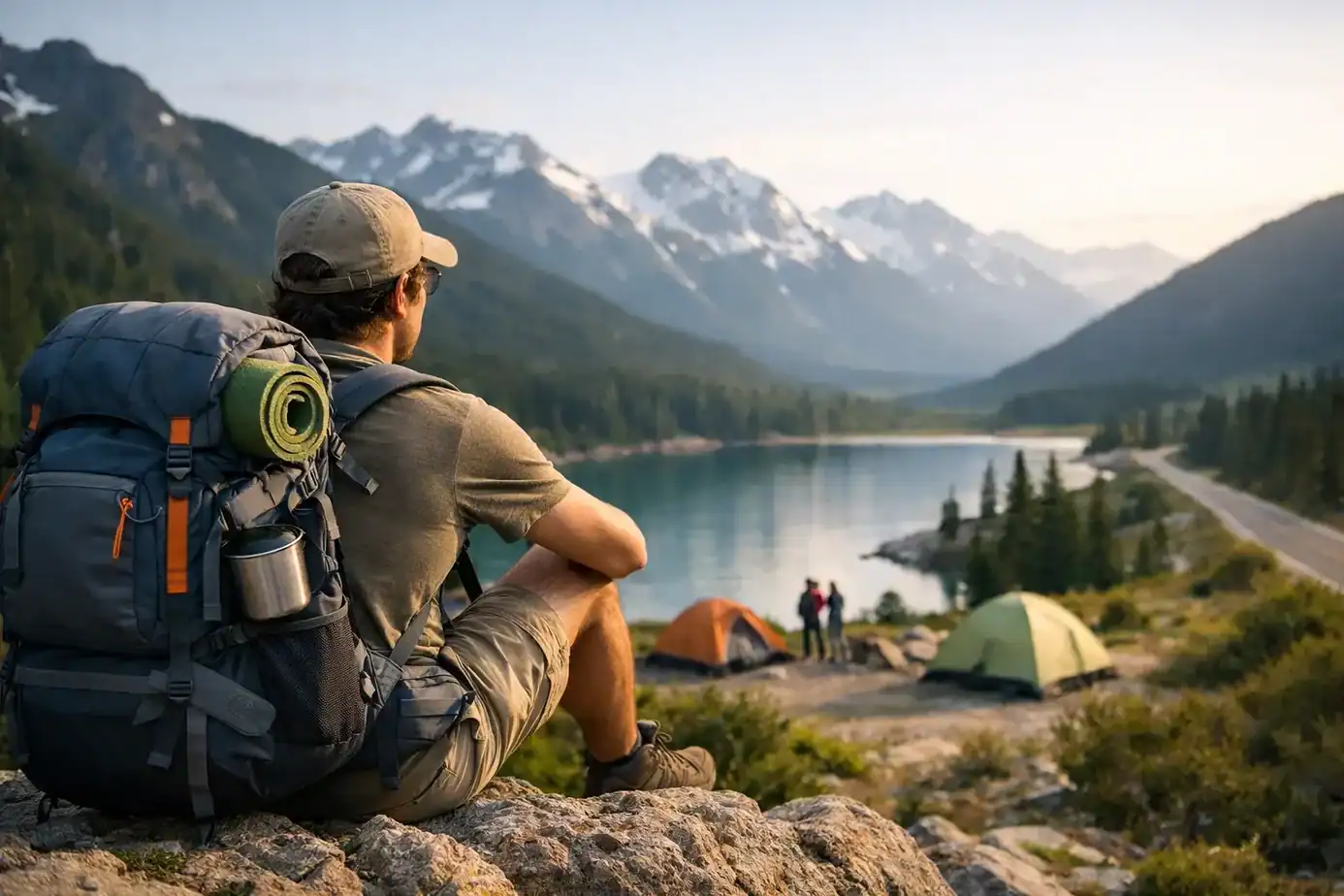
One of the easiest ways to spend less is to choose places where the main attraction is the landscape itself. National parks, mountain towns, coastal regions, desert routes, and lake areas tend to offer a lot of payoff without constant ticketed activities. You are paying for access, transportation, and a place to sleep more than for entertainment.
In the US, that might look like hiking in Utah, paddling in Florida springs, camping near the Blue Ridge Parkway, or taking a low-season road trip through the Southwest. Internationally, cheap adventure travel often works well in places where outdoor activities are abundant and day-to-day costs are lower, such as parts of Central and South America and the Balkans.
The trick is to avoid destinations where every memorable experience is packaged as a premium excursion. If a place is built around expensive transfers, mandatory guides, and high-end resorts, your budget has less room to breathe. If the destination rewards independent travel, your money stretches much further.
Look For Places With Low-cost Movement
Adventure gets expensive fast when local transportation is limited. A destination with decent buses, affordable car rentals, shared shuttles, or easy self-driving can save you far more than a slightly cheaper hotel rate ever will. This is especially true if you want to see multiple sites in one trip.
A road trip is often the sweet spot for US travelers. You control your schedule, split costs if you are not traveling solo, and can combine scenic drives with hiking, kayaking, hot springs, beach stops, or quirky stays without paying tour prices every day.
The Biggest Savings Usually Happen Before You Leave
Cheap adventure travel is won or lost in the planning stage. Booking too late, traveling during peak season, and building a trip around rigid dates can wipe out your budget before the fun starts.
If your schedule allows any flexibility at all, use it on timing first. Shoulder season is where much of the value lies. You will often get lower airfare, better lodging rates, and fewer crowds while still having good enough weather for hiking, wildlife viewing, road trips, and water activities. There is always a trade-off, of course. Shoulder season can mean cooler temperatures, occasional rain, or some limited services. But for many travelers, that is a very fair exchange for lower prices and a better overall experience.
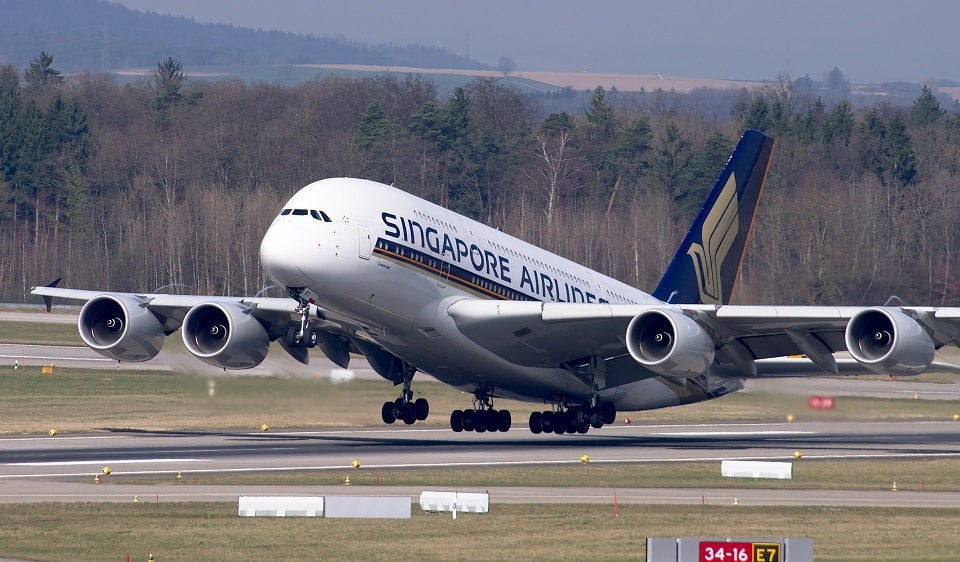
Flights matter, but not in the way many people think. Instead of obsessing over finding the absolute lowest fare, look at the full picture: baggage fees, airport location, arrival time, and whether you will need extra transportation or an overnight stay. A slightly higher fare that includes a carry-on and arrives in daylight can be the cheaper choice in real life.
If you use points and miles, this is where they can do real work. Even a modest stash can knock down flight costs enough to free up cash for rental cars, park fees, activity rentals, or a splurge. For readers who are not yet deep into loyalty programs, this is one of the easiest entry points because flights tend to be the highest fixed cost on many adventure trips.
Spend On Access, Save On Extras
The most useful budget rule for adventure travel is simple: spend money on the part that gets you into the experience, and cut back on the part designed to look impressive online.
That might mean paying for a reliable rental car but staying in a simple motel, campground, cabin, or hostel. It might mean booking a basic basecamp near great trails rather than a trendy hotel in the center of town. It could also mean bringing your own snacks, refilling your water, and cooking some meals so you can afford a rafting trip, a diving session, or a guided wildlife outing that truly adds value.
This is where many travelers overspend without realizing it. They blow the budget on polished accommodations, then start skipping activities once they arrive. If adventure is the point of the trip, build the budget around the adventure first.
Cheap Adventure Travel And Accommodations
Accommodation is one of the most flexible parts of the budget. Hotels are not your only option, and they are often not the most interesting one either. Camping, glamping on a deal, simple guesthouses, cabins, hostels with private rooms, and roadside motels can all make sense depending on the destination.
The key is to match the stay to the trip. If you are getting up before sunrise to hike, you probably do not need the boutique property with the rooftop bar. If you are taking a long driving route, a clean, convenient overnight stop can be more valuable than a place with extra amenities you will never use. If you want one memorable stay, book it for one or two nights and keep the rest practical.
Know When DIY Is Smarter Than A Tour
Some adventures are much cheaper when you arrange them yourself. Scenic drives, national park hikes, shore snorkeling, bike trails, and many paddling routes can often be done independently for a fraction of the cost of organized tours.
But this is not a blanket rule. There are times when a guided option is worth every dollar. Technical activities, unfamiliar water conditions, wildlife-heavy environments, or places with complicated logistics may be safer, smoother, and better value with local expertise. A good guide can also save time, provide gear, and help you access places that would be difficult on your own.
This is the kind of trade-off experienced travelers make all the time. DIY where the learning curve is low and the logistics are clear. Pay for help where it improves safety, efficiency, or the quality of the experience.

Gear Is Where Budgets Quietly Go Off The Rails
You do not need a brand-new kit for every trip. For cheap adventure travel, borrowed, secondhand, or rented gear is often the smartest option, especially if you are trying an activity for the first time.
A lot of people spend too much before they even know what kind of traveler they are. If you buy premium hiking gear and then realize you prefer casual road trips with short walks and scenic overlooks, that money is gone. Start with the basics, upgrade only when you know you will use something often, and resist the idea that adventure has to look ultra-outfitted to be legitimate.
The same logic applies to luggage. If your trip is built around movement, light packing saves money and hassle. Fewer checked-bag fees, easier transfers, and a lower chance of carrying around things you never use.
Build One Trip Around Several Low-cost Wins
The cheapest adventure is often not one giant headline activity. It is a string of affordable, memorable moments that work well together. A road trip with scenic hikes, local diners, a kayak rental, a soak in hot springs, and one unusual overnight stay can feel richer than a single expensive excursion surrounded by forgettable filler.
That is one reason Brit On The Move connects with so many practical travelers. Real value usually comes from thoughtful trip design, not from chasing the flashiest option in the destination.
When planning, ask yourself one useful question: what will I remember most clearly six months from now? Usually, it is the sunrise trail, the bioluminescent water, the cabin in the woods, the roadside pie after a long hike, or the moment you said yes to something a little outside your routine. Those are often not the most expensive parts of the trip.
A Smarter Mindset Makes Cheap Adventure Travel Easier
Budget travel gets frustrating when the goal is to copy a luxury trip for less. Adventure travel works better when the goal is different from the start. You are not trying to imitate someone else’s polished itinerary. You are trying to build a trip with a strong sense of place, a bit of adrenaline, and a price tag that still lets you travel again soon.
That usually means being flexible, independent, and honest about what matters to you. Maybe you care about a private room but not fancy decor. Maybe you will happily pack sandwiches all day if it means booking a glacier trek tomorrow. Maybe you would rather visit a lesser-known destination twice than spend the same amount on one overcrowded hotspot.
That is the real advantage here. Cheap adventure travel is not a lesser version of travel. Done well, it is often more memorable because it pushes you toward places and choices that feel less scripted and more alive.
The best trip might not be the one with the highest price tag. It is the one that gets you out there now, with enough money left to start planning the next one.
Brit On The Move™ Travel Resources
Ready to book your next trip? Use these resources that work:
Was the flight canceled or delayed? Find out if you are eligible for compensation with AirHelp.
- Hotels: Find the best prices; use Booking.com
- Apartment Rentals: Find the best prices on apartment rentals with Booking.com’s Apartment Finder.
- Travel Insurance: Don’t leave home without it. View our suggestions to help you decide which travel insurance is for you: Travel Insurance Guide.
- Credit Cards: Check out our recommendations for Travel Credit Cards.
- Volunteer Vacation or a Working Holiday? Check out the complete guide here!
- Rental Cars: Find the best deals here!