How to Pack for Budget Airlines Without Fees: Unlock Smart Strategies for Stress-Free Travel
The cheap fare is real. The $79 add-on you did not expect at the gate is real too. Knowing how to pack for budget airlines is less about becoming a minimalist overnight and more about understanding what your specific ticket includes before you leave for the airport. A little strategy can keep a low-cost flight low-cost, while still leaving room for the hiking shoes, swimsuit, or dinner outfit that makes the trip worth taking.

This post may contain affiliate links. Please read our disclosure and privacy policy for more information.
Start With the Fare Rules, Not Your Suitcase
Budget airlines make money by unbundling the things traditional airlines often include in a standard fare. Your ticket may cover only one small personal item that must fit beneath the seat. A carry-on roller bag, checked bag, seat selection, and even boarding priority can cost extra.
Do not assume a “carry-on” is included just because you are flying. Check the confirmation email and airline app for the precise allowance attached to your fare. Check both dimensions and weight limits (in inches and pounds), and save a screenshot. Policies vary widely, and a bag that works on one airline can be oversize on another.
This is also where the trade-off matters. If you are taking a two-week winter trip or bringing camping gear, paying for a bag in advance may be the sensible move. The goal is not to win some packing contest. It is to choose the least expensive option that lets you travel comfortably. If you master this you’ll be a pro on how to pack for budget airlines.
Choose a Personal Item That Actually Fits
For many low-cost routes, a personal item is the free ticket to avoiding baggage fees. The best choice is usually a soft-sided backpack, duffel, or compact travel tote rather than a rigid roller bag. Soft bags can compress slightly and slide more easily under a seat, as long as you don’t overstuff them.
Buy or use a bag based on measurements, not a label that claims it is “airline approved.” Measure it when it is full. Include the depth created by bulging pockets, straps, and a stuffed exterior water-bottle holder. That is what airline staff see when they ask you to place it in the sizer.
A backpack is particularly practical for solo travelers and city breaks because it leaves both hands free for a transit card, coffee, or a map. For a beach trip, a structured tote can work well, but it is easier to overfill and harder to carry across cobblestones. Choose the bag that suits the trip, then pack to the limit it can honestly meet.

Build a Small Wardrobe, Not a Vacation Version of Your Closet
The quickest way to overpack is to pack for every imaginable mood, weather shift, and dinner plan. Instead, build outfits around two or three colors that work together. Pick one pair of pants or shorts, one backup bottom, several tops, and layers that can do double duty.
Wear your bulkiest pieces on the plane: walking shoes, jeans, a jacket, and any sweater you would otherwise have to cram into the bag. This is not a free pass to wear five layers and make the security line miserable. It is simply smart use of the space you already occupy.
Fabric matters more than most people realize. Quick-drying shirts, wrinkle-resistant pants, and a lightweight merino or synthetic layer can be worn more than once with minimal fuss. If your accommodation has laundry access, pack for about five days regardless of trip length. A quick sink wash or laundromat stop is usually far cheaper than paying for a checked bag.
Be realistic about footwear. Most trips need one comfortable pair for walking and one lighter alternative, such as sandals, flats, or trail shoes depending on your plans. Three pairs of shoes can swallow half a personal-item allowance before you have packed a toothbrush. I learned how to pack for budget airlines like this years ago, and it’s saved me many times.
My personal way to how to pack for budget airlines and condense what I pack is to pick one or two color themes. I like to coordinate all of my outfits. If I use too many colors, it makes me pack more accessories.

How To Pack For Budget Airlines Efficiently
As you learn how to pack for budget airlines, you also have to learn about packing cubes. Packing cubes are useful, but they are not magic space creators. Their real value is organization: underwear stays together, clean clothes stay separate from dirty ones, and airport security doesn’t require you to unpack your entire life. Compression cubes can help with soft clothing, although they may make it easier to exceed a weight limit.
Roll thin items like T-shirts and leggings. Fold structured items such as button-downs and pants to reduce deep creases. Put heavier items close to your back so the bag carries better, then fill gaps with socks, chargers, and a compact toiletry pouch.
Before zipping the bag, take out one “just in case” item. It is often the third shirt, second hoodie, or full-size beauty product that is unlikely to earn its place. Travelers rarely regret having fewer choices. They do regret dragging a bag that will not fit into the airline sizer.
If your personal item has a front pocket, reserve it for the items you need during the flight: identification, wallet, phone, headphones, medication, charging cable, and a snack. Keep liquids easy to reach for security. This reduces the frantic gate-area repacking that can draw unwanted attention to an overstuffed bag.
Handle Toiletries, Tech, and Outdoor Gear With Intent
Anyone who toiletries can kill your allowance. The standard airport liquids rule can quickly derail a packing plan. Use travel-size containers for products you genuinely need, and consider what you can buy at your destination. Sunscreen and bug spray are worth planning for, but a large bottle may not be worth the space on a short trip.
Solid alternatives are particularly handy for budget flights. Shampoo bars, bar soap, solid deodorant, and laundry sheets remove liquid-bag stress and tend to last through several trips. Just test them at home first. A vacation isn’t the ideal time to discover a product doesn’t work for your hair or skin.
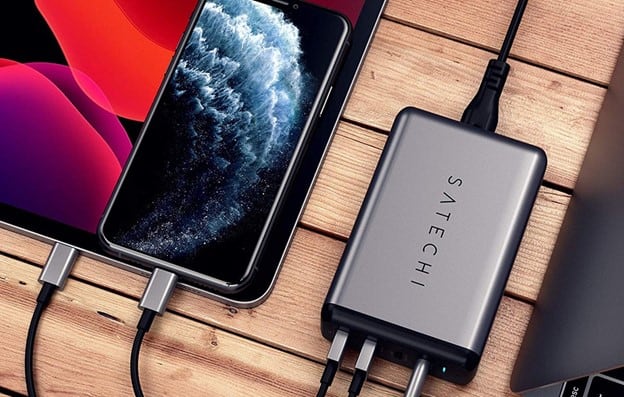
For tech, avoid bringing duplicates. One compact charger with multiple ports, a short charging cable, and a power bank can replace a tangle of adapters and bricks. Put spare lithium batteries and power banks in your cabin bag, not checked luggage, since airline rules generally require that.
Adventure travelers have tougher choices. A collapsible water bottle, packable rain jacket, and lightweight daypack are excellent personal-item companions. Trekking poles, fuel canisters, large knives, and some specialty equipment are another story and may require checked luggage or a rental plan at the destination. Read the airline and security rules before you commit to a gear-heavy itinerary.
Avoid Fees at the Airport

This is probably the most important tip on how to pack for budget airlines. This is where 80% of people go wrong. The least forgiving time to discover a baggage problem is at the gate. Fees are often higher there, and gate agents may have little flexibility. Weigh your packed bag at home using a luggage scale or a regular bathroom scale. Measure it again after adding snacks, souvenirs, or the jacket you planned to stuff into a pocket.
Check in online when it opens and download your boarding pass before leaving for the airport. If you know you need a carry-on or checked bag, add it online rather than waiting until check-in. Low-cost airlines commonly charge more as departure gets closer.
Don’t rely on a giant neck pillow stuffed with clothes or hiding a second bag under your jacket. Those social-media tricks are hit-or-miss, can be uncomfortable, and put staff in the awkward position of enforcing rules you knowingly tried to dodge. A small crossbody bag is sometimes tolerated as an item you wear, but it is not guaranteed. If the policy says one bag, plan for one bag.
Leave Room for the Trip Home
A personal-item-only trip works best when you leave with some empty space. Pack a foldable tote for groceries, beach supplies, or a day at the market, but do not assume it will count as free baggage on the flight home. It may need to fit inside your main bag before boarding.
For souvenirs, favor consumables, postcards, small local art, or one meaningful item over generic trinkets. If you find something larger that you truly love, compare the cost of shipping it home with the cost of adding baggage. Occasionally the checked-bag fee is still the better deal.
Budget airline packing gets easier after one or two trips. Once you start to learn how to pack for budget airlines and start implementing the strategies it gets easier. .Start with the airline’s actual rules, bring what supports the experience you came for, and let the rest stay home. The reward is more than skipping a fee: you leave the airport lighter, faster, and ready to go.
Remember, airlines rely on the fact that most people do not know how to pack for budget airlines and they are waiting to charge you accordingly.
Looking For More? Start Here:
- 20 Best Ways to Earn Lots of Credit Card Rewards Points
- Airline Passenger Rights – The 12 Steps to Handle Flight Cancellations
- Carry-on Versus Checked Luggage for Effortless Travel
- GetYourGuide or Viator – Which One Is Best?
- Multi-City Flights – A Travel Hack You Need to Know!
- Straw Hats for Women – Sun Protection in Style While Traveling
- Timeshare Resale – Why You Should Buy One
- Travel Hacks That Are Bull
- Wizz Air Review – Europe’s Worst Airline You Should Avoid
- Wrapping Luggage In Plastic – What Benefits, If Any, Are There?
Brit On The Move™ Travel Resources
Ready to book your next trip? Use these resources that work:
Was the flight canceled or delayed? Find out if you are eligible for compensation with AirHelp.
- Hotels: Find the best prices; use Booking.com
- Apartment Rentals: Find the best prices on apartment rentals with Booking.com’s Apartment Finder.
- Travel Insurance: Don’t leave home without it. View our suggestions to help you decide which travel insurance is for you: Travel Insurance Guide.
- Credit Cards: Check out our recommendations for Travel Credit Cards.
- Volunteer Vacation or a Working Holiday? Check out the complete guide here!
- Rental Cars: Find the best deals here!