8 Secluded Beaches in Florida – The Best Ones & Where To Find Them
One question I get asked all the time is, “Where are the best secluded beaches in Florida?” Having lived here for over thirty years, I know a secluded beach or two.
The modern travel landscape is increasingly dominated by commercialized coastal corridors, where pristine coastlines are lined with high-rise resorts, crowded boardwalks, and a sea of umbrellas. For the discerning traveler, the true magic of the Sunshine State lies not in these bustling tourist hubs, but in the quiet corners of the map where nature remains wild and undisturbed.
The pursuit of secluded beaches in Florida has become a quest for preservation—a desire to experience the raw boundary between land and sea exactly as it has existed for millennia. Finding a destination that balances true isolation with an unforgettable aesthetic environment means looking beyond standard vacation brochures to discover hidden pockets of the peninsula where peace reigns supreme.

This post may contain affiliate links. Please read our disclosure and privacy policy for more information.
A successful escape to the region’s finest hidden shorelines relies entirely on physical and mental immersion. When you journey to secluded beaches in Florida, you step into a sanctuary where the ambient noise of contemporary life is replaced by the rhythmic crash of the surf and the wind moving through coastal vegetation.
Whether tucked beneath towering dunes, hidden behind dense maritime forests, or accessible only by navigating challenging wilderness trails or watercraft channels, these coastal retreats hold the ultimate reward for the adventurous soul. By exploring what sets these environments apart, their rich historical tapestries, and the unique activities they offer, we break down a curated list of the state’s most spectacular hidden shores.
What Makes Them Secluded Beaches?
To understand the enduring allure of these destinations, examine the geographic and environmental barriers that protect Florida’s secluded beaches from the footprints of mass tourism. True isolation is rarely accidental; it almost always comes from a landscape that actively resists easy access. Many of the state’s most peaceful shores are cut off from coastal highways by formidable natural obstacles, such as dense mangrove swamps, sweeping dunes, or expanses of open water that lack bridges. This lack of infrastructure acts as a natural filter, ensuring that only those with a genuine passion for exploration ever set foot on the sand.
Furthermore, Florida’s secluded beaches are closely tied to intentional administrative protection. Many of the most pristine hidden shores lie within strictly managed national parks, state parks, marine reserves, or wildlife sanctuaries. These designations prevent the construction of nearby hotels, restaurants, and public parking lots, forcing visitors to take long hikes, book boat charters, or take kayak excursions to reach the water. This intentional absence of commercial amenities creates a distinct ecological microclimate where natural viewlines are preserved, native wildlife thrives without fear, and the sand remains completely free of litter and footprint congestion.
Why People Should Visit The Best Secluded Beaches in Florida
The primary reason to seek out secluded beaches in Florida is the profound sense of mental restoration and personal discovery that only an untouched natural environment can provide. In an era of constant digital connectivity, spending a day on a shoreline free of commercial distractions offers a rare chance to reset the human nervous system. The psychological impact of standing on an empty stretch of coast, where the horizon is uninterrupted by high-rises or watercraft rentals, is deeply transformative, fostering a meditative state of calm that crowded resort areas simply cannot replicate.
Beyond the mental health benefits, these hidden shores offer unparalleled opportunities for authentic eco-adventure and intimate wildlife encounters. Because secluded beaches in Florida experience minimal human interference, they serve as vital sanctuaries for rare marine and terrestrial species. Visitors can snorkel over pristine, unbleached limestone reefs, walk past ancient sea turtle nesting grounds, or watch wild coastal birds hunt in undisturbed tidal pools. This style of travel prioritizes raw quality over commercial convenience, offering a deeply rewarding experience for those who appreciate the subtle, untouched details of the natural world.
A Rich History of Seclusion
The historical narratives surrounding secluded beaches in Florida are often as dramatic and captivating as the landscapes themselves. Long before they became coveted retreats for modern travelers, these isolated coastal pockets played critical roles in global maritime history. Because of their hidden geographies and lack of official oversight, many of the region’s most remote bays and coves served as strategic sanctuaries for historical outlaws, including 17th-century pirates, privateers, and smugglers who needed a safe haven to repair their vessels, harvest fresh water, and conceal plundered treasures far from the watchful eyes of colonial authorities.
In other eras, these hidden shores held deep military and cultural significance. For thousands of years, indigenous societies like the Calusa and Timucua utilized these remote coastal zones for sustainable harvesting, leaving behind massive shell middens that still dot the coastal landscapes. Later, during the Civil War and World War II, the very isolation that keeps modern tourists at bay made these shores ideal locations for secret military outposts, testing grounds, and blockading stations. Touching the weathered rocks, exploring nearby coastal hammocks, and walking the ancient paths of these shores give travelers a tangible link to a rich, multi-layered human history embedded in the landscape.
The Top 8 Secluded Beaches in Florida
1. Dry Tortugas National Park (Garden Key & Loggerhead Key)
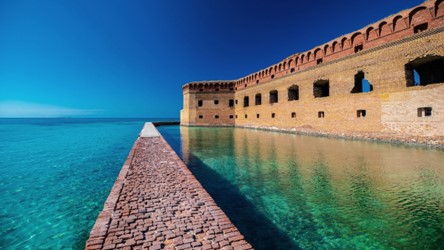
When charting the absolute pinnacle of secluded beaches in Florida, Dry Tortugas National Park stands unmatched. Located roughly 70 miles west of Key West in the open waters of the Gulf of Mexico, this remote cluster of seven islands is accessible only by a daily concession ferry, private boat, or seaplane. The reward for this journey is a breathtaking marine sanctuary dominated by the massive, 19th-century brick walls of Fort Jefferson. Visitors can swim directly from the powdery white-sand beaches into crystal-clear turquoise waters to snorkel some of the most vibrant, untouched coral reefs in North America, completely removed from mainland development.
2. Caladesi Island State Park, Dunedin
While Clearwater’s neighboring beaches attract millions of tourists, Caladesi Island remains a peaceful bastion of untouched coastal wilderness. Accessible only by a pedestrian ferry from Honeymoon Island or a long walk from northern Clearwater Beach, Caladesi consistently ranks among Florida’s most secluded beaches. The island features miles of pristine quartz-sand shoreline that slopes gently into the calm Gulf waters, backed by an interior network of nature trails through maritime hammocks and a winding mangrove kayak trail that lets visitors observe nesting shorebirds and wild dolphins playing just offshore.

3. Cayo Costa State Park, Captiva
Guarding the entrance to Charlotte Harbor on the southwest coast, Cayo Costa is a barrier island that offers a compelling look at the state’s natural past. With nine miles of undeveloped pine forests, oak-palm hammocks, and mangrove swamps, it represents the gold standard for wilderness-oriented secluded beaches in Florida. Accessible only by private boat or a public passenger ferry, the island is completely devoid of cars and commercial infrastructure. Visitors can spend an entire day beachcombing for rare whelks, olives, and conch shells, walking the sweeping shoreline without encountering another soul.

4. Anclote Key Preserve State Park, Tarpon Springs
Situated three miles off the coast of Tarpon Springs, Anclote Key Preserve State Park consists of four beautiful, uninhabited islands that offer an exceptional primitive escape. Because no bridge or ferry connects to the island, it remains one of Florida’s most authentically secluded beaches, reached only by private watercraft, kayak, or local boat charters. The island boasts blue-green Gulf waters, nesting colonies of spectacular coastal birds like bald eagles and oystercatchers, and a historic 1887 iron skeleton lighthouse that stands as a resilient symbol of the island’s maritime heritage.
Anclote Key and the sandbar are one of my personal favorites! If you are lucky enough to take a boat ride down to Anclote Sandbar, wow, are you in for a treat. You’ll think you have arrived at the Seychelles.
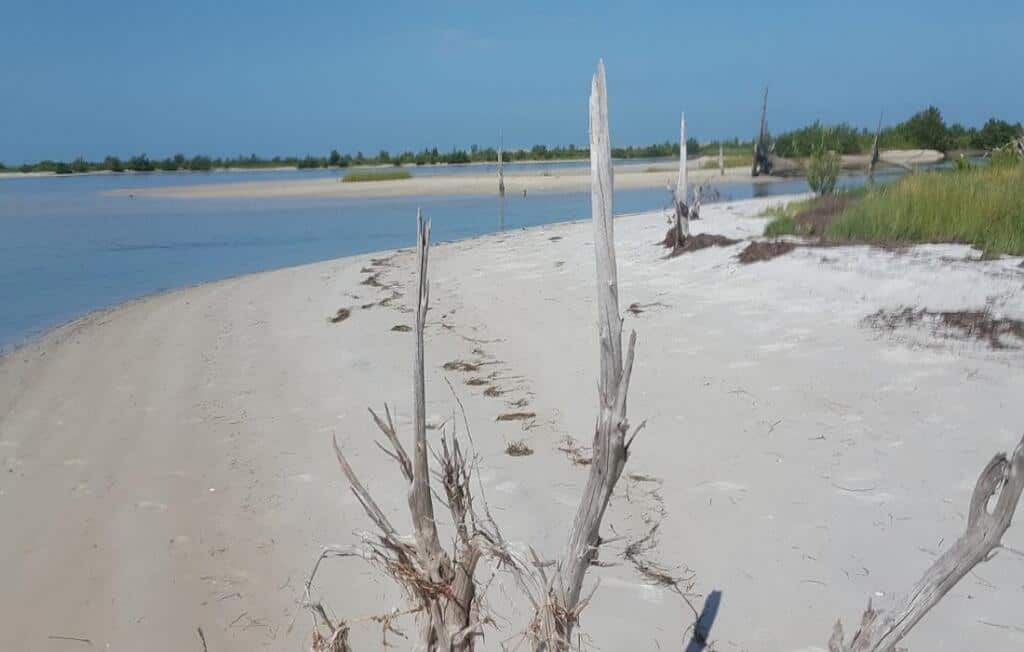
Image Credit: Anclote Key Preserve State Park
5. St. Joseph Peninsula State Park (Wilderness Preserve), Port St. Joe
For travelers who believe isolated shores must be restricted to islands, the Wilderness Preserve at St. Joseph Peninsula State Park along the Florida Panhandle completely redefines the concept. Guarded by a strict daily vehicle limit and a sprawling wilderness permit zone, this narrow strip of land features some of the most dramatic snow-white sand dunes in the country. The beach looks out over the open Gulf of Mexico on one side and the glassy waters of St. Joseph Bay on the other, offering miles of uninterrupted footpaths where hikers can immerse themselves in absolute coastal silence.

6. Lovers Key State Park (Northern Shorelines), Fort Myers Beach
While the main entrances to this state park see regular day-trippers, embarking on a deliberate hike toward the northern inlets and hidden canals reveals the deeply tucked-away, secluded beaches in Florida that give this destination its romantic name. Historically, the island was so remote that rumors said only lovers took the time to travel by boat to its shores. Today, the maritime forest trails open to quiet, shell-strewn beaches where driftwood builds a dramatic landscape, making it a prime spot to spot West Indian manatees and wild roseate spoonbills wading in the tidal flats.

7. Canaveral National Seashore (Playalinda Beach), Titusville
Spanning 24 miles of undeveloped barrier island along the Atlantic coast, Canaveral National Seashore is the longest stretch of pristine shoreline in the state. Just north of the Kennedy Space Center, Playalinda Beach offers an awesome contrast between high-tech space exploration and wild nature, making it a unique entry among Florida’s secluded beaches. The beach is backed by towering dunes and the sweeping waters of the Mosquito Lagoon, providing a critical nesting habitat for thousands of endangered loggerhead, green, and leatherback sea turtles every summer.
Another long-time favorite of mine! I used to boat these waters every weekend, and despite being on the east coast, this water is tropical and clear.

8. Bahia Honda State Park (Sandspur Beach), Big Pine Key
Tucked away in the lower Florida Keys, Bahia Honda State Park is celebrated for its Caribbean-esque aesthetics, but Sandspur Beach on the island’s northern side delivers true isolation. Bordered by a dense, native subtropical hardwood hammock, this beach features shallow, waveless turquoise water over a soft sandbar that stretches out into the Atlantic. Visitors can wade hundreds of yards into the glassy water to watch wild eagle rays and nurse sharks glide peacefully through the shallows, far from the bustling crowds of Key West.

What to Do: Activities for the Isolated Traveler
Activities on secluded Florida beaches are shaped by the lack of commercial infrastructure, shifting the focus to self-guided exploration, outdoor adventure, and nature-centric recreation. Without jet-ski rentals or crowded beach bars, travelers are invited to engage with the environment on a much deeper level.
- Pristine Snorkeling and Free Diving: Because the waters surrounding hidden shores experience minimal commercial boat traffic and runoff, underwater visibility is often spectacular. Travelers can explore untouched limestone reefs, submerged historical ruins, and rocky ledges that host thriving populations of marine life.
- Primitive Beach Camping: For the ultimate immersion, select remote shores—such as Cayo Costa or the Dry Tortugas—allow primitive wilderness camping. Pitching a tent on the dunes allows you to experience the shoreline after the final day-trippers depart, offering an evening beneath a clear star-filled sky and a front-row seat to an uninterrupted coastal sunrise.
- Elite Beachcombing and Shelling: The geological isolation of remote beaches makes them natural repositories for treasures that are quickly scooped up on public shores. Visitors can spend hours hunting for rare seashells, sea glass, and fossilized shark teeth freshly deposited by the ocean tides.
- Coastal Kayaking and Paddleboarding: Navigating the calm bays, mangrove canopy tunnels, and salt marshes surrounding these hidden enclaves offers exceptional opportunities to see manatees, dolphins, and rare wading birds up close in their native habitats.
Looking For More, Start Here?
- Danville, The Most Magical Stay In Florida
- De Leon Springs, aka “Ponce De Leon Springs State Park”
- Devil’s Den, Florida – A Prehistoric Spring
- Florida’s Best Treehouse Rental
- Glamping In Florida At Safari Wilderness
- Glamping In Florida In A Covered Wagon
- Homosassa Springs Florida
- Kelly Park – Rock Springs
- Kings Landing, Florida, and The Iconic Emerald Cut
- Rainbow Springs State Park
- Silver Glen Springs, Florida
- Silver Springs – One Of Florida’s Most Famous Springs
- The Best RV Resorts In Florida
- Wakulla Springs and Lodge
Brit On The Move™ Travel Resources
Ready to book your next trip? Use these resources that work:
Was the flight canceled or delayed? Find out if you are eligible for compensation with AirHelp.
- Hotels: Find the best prices; use Booking.com
- Apartment Rentals: Find the best prices on apartment rentals with Booking.com’s Apartment Finder.
- Travel Insurance: Don’t leave home without it. View our suggestions to help you decide which travel insurance is for you: Travel Insurance Guide.
- Credit Cards: Check out our recommendations for Travel Credit Cards.
- Volunteer Vacation or a Working Holiday? Check out the complete guide here!
- Rental Cars: Find the best deals here!