Traveling With Pets Made Easy: Here’s How To Have A Stress-Free Road Trip

This post may contain affiliate links. Please read our disclosure and privacy policy for more information.
Traveling With Pets Requires Preparation, Not Guesswork
Traveling with pets isn’t just about packing a lead and hoping for the best. In the UK, where distances can feel short on the map but long on the motorway, a bit of foresight makes the difference between a tense journey and a genuinely enjoyable one. Whether you’re heading north from Birmingham to the Highlands, driving from London to Wales, or aiming for a long weekend in the Cotswolds, the trick is to think beyond the human plan and factor in how animals experience the trip. Pets don’t understand traffic on the M6, the endless roundabouts through Gloucestershire, or why service stations smell like fryer oil and exhaust. They pick up on movement, noise, temperature, and your stress levels. That means preparation has to start before the engine even turns over.
Familiarity With The Car Makes All The Difference
People often underestimate how unfamiliar a car feels to an animal. Even a confident dog that loves country walks might act differently once the doors close and the road hum begins. When traveling with pets, it helps to familiarize them with the vehicle in advance, letting them sniff around the seats, sit in the boot, or curl up in their crate while the car is parked. Many owners wait until the day of travel to fit a harness or try a carrier, and that’s usually when the panic sets in. Early exposure turns the car into a predictable space. Another part of setting the tone is scent. Some owners use a pet-safe car air freshener to keep the space pleasant, especially on long journeys, but it should be subtle enough not to irritate their breathing. Strong chemical sprays or overpowering fragrances can make anxiety worse.
Preparing For Traveling With Pets Without Over-Structuring It
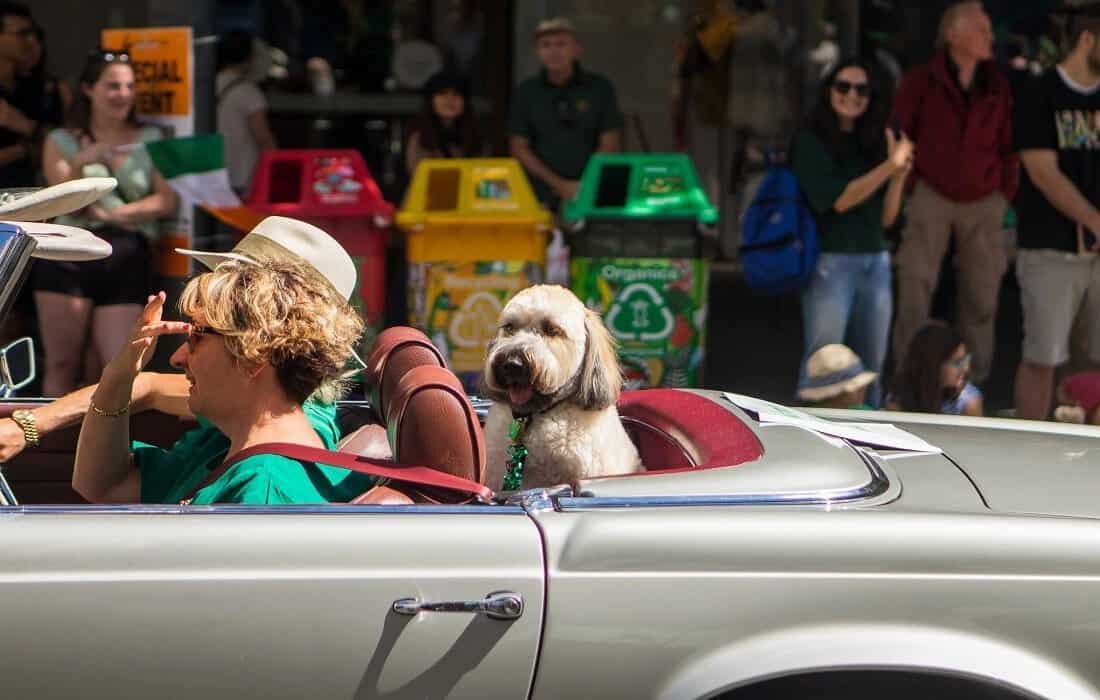
If you are traveling with pets in Europe, routes from England into Scotland or Wales are scenic, but they’re not always forgiving. The roads can change quickly from motorway to countryside with tight bends, livestock, and patchy phone signals. If you’re driving from Manchester to the Isle of Skye or heading west from Bristol into Pembrokeshire, don’t plan your itinerary as if you’re alone. Pets need breaks that don’t always coincide with petrol stops. You’ll want areas where you can pull over safely, offer water, and give them space to move. Grass verges near service stations on the M5 or quiet lay-bys near the Lake District can be a lifeline. The farther north or west you go, the fewer formal stops there are, so you can’t rely on last-minute decisions once you leave the main roads.
Restraints Are Not Optional—In the UK, It’s The Law
Safety restraints aren’t optional in the UK when traveling with pets. Loose animals can distract drivers or become airborne in sudden braking. A proper harness clipped to a seatbelt, a well-fitted crate, or a secure boot guard keeps everyone safe. What works depends on the animal’s size and temperament, but what never works is letting them roam free out of guilt or affection. The more secure they are, the less they panic. Some pets settle best when they can see out the window, while others calm down when partially covered. Owners usually know which is which, but trial runs help confirm it.
Packing Smart Matters More Than Packing Everything
Packing for pets isn’t complicated, but it can go wrong quickly. Overpacking leads to a cramped boot and nowhere to put wet gear or last-minute essentials. Underpacking forces you to improvise in places that don’t sell much beyond lukewarm pies and screenwash. Food, water, a bowl, a familiar blanket, and any medication should always be accessible rather than buried under luggage. Towels are underrated. A walk in the Cotswolds after rain or a stop in the Cairngorms during snowmelt can turn a pet into a mud trap within seconds. Having something to wipe them down before jumping back into the car seats and the mo clean. ID tags and microchip details matter too, especially in unfamiliar areas where bolting pets might run into fields or narrow villages they can’t navigate.
Road Trip Activities for Pets
When traveling with pets, keeping animals engaged can prevent stress behaviors. Rotate between: Chew toys, dental sticks, puzzle feeders, and soft toys.
Going Beyond The Drive: Destinations, Stays, and Realistic Expectations

Different types of UK trips come with other challenges. A weekend in Cornwall from London or Cardiff can take longer than expected because of traffic through Devon and the last stretches of single-lane coastal routes. If the pet becomes restless halfway down the A30, there aren’t many convenient detours. The Lake District is just as tricky in bad weather or peak season, with roads winding around lakes and hills where stopping safely isn’t always possible. The Cotswolds seem easy because of their location, but parking, crowds, and narrow village lanes can test both drivers and animals. Scotland adds distance and remoteness. Travelling north of Glasgow or Edinburgh means more prolonged stretches of road with few obvious rest points, and the landscape itself can overstimulate or unsettle pets not used to open space, livestock, and sudden silence.
Accommodation Rules Can Make Or Break Traveling With Pets
Accommodation can create stress if not checked in advance. Many cottages and inns advertise “dog friendly,” but that might only apply to one room, require an extra fee, or restrict dogs to certain parts of the property. Some allow pets to sleep inside but not on furniture, or expect them to stay crated overnight. Others don’t allow animals in dining areas, so meals are served in shifts or outdoors. It’s better to call ahead than assume. The same applies to campsites and cabins. A stunning spot near Snowdonia might look perfect, but if sheep are roaming nearby or noisy neighbors are present, anxious animals might not cope well. Owners should think not just about where they want to stay, but also about how their pets behave in unfamiliar spaces surrounded by new sounds and scents.

Managing Pet Anxiety Is Easier When You Prepare Vs. React
Travel anxiety can’t always be solved with a single solution. Some animals respond to herbal calming sprays or a favorite toy. Others benefit more from quiet music or airflow. Windows shouldn’t be fully opened on motorways, but fresh air helps prevent overheating and motion sickness if the trip involves several hours of driving. A long walk before departure also helps. Tired pets are easier to settle than restless ones. If the animal has never travelled for more than half an hour, jumping straight into a six-hour drive from Birmingham to the Highlands is asking for protests, shaking, or vomiting. Gentle build-up drives reduce the shock.
Your Energy Directly Influences Your Pet’s Stress Level
Owners also forget that their own behavior influences pets. When you rush, snap, or get tense in traffic near the border into Wales or get stuck behind caravans in the Highlands, animals pick up on it. Smooth driving, steady speech, and not panicking over delays set a calmer tone. The weather is another consideration. Rain, snow, or heat can quickly change the mood. A wet walk, without a towel or ventilation, before getting back into the car can turn the interior into a wet-dog sauna. In summer, cars heat faster than most people realize, especially during slow-moving traffic on major routes. Opening windows slightly on both sides creates airflow without dangerous drafts. Offering small amounts of water at each stop prevents dehydration without causing stomach upset.
Arriving At The Destination Isn’t The End Of The Process

Once you arrive at your destination, the shift from car to accommodation shouldn’t feel chaotic. Letting the pet stretch, sniff, and adjust before rushing inside helps them orient themselves. They need to understand the temporary base before being expected to settle. Feeding them too soon can make them sick if they’re still worked up. Exploring local areas calmly builds positive associations, whether it’s a village in the Cotswolds, a beach in Cornwall, or a forest path in the Trossachs.
The Return Drive Matters Just As Much As The Departure
Finally, the return trip matters as much as the outbound one. Exhaustion, colder weather, and less patience can make the drive home harder. Packing up the car with muddy blankets and damp gear without cleaning anything first traps smells and discomfort. A quick refresh, even wiping things down and shaking off fur, improves the drive back. Pets often sleep more on the return leg, but they can still become unsettled if the space is cramped or the routine shifts too sharply. Some owners only realize the value of planning when something goes wrong. Once, like a bout of sickness near the Scottish border or a frantic escape attempt during a rest stop in rural Wales.

The key to travelling with pets is respecting their pace, adapting your expectations, and staying practical instead of overly optimistic. Long drives through the UK can be scenic and rewarding when done with patience and the proper setup. Even details like scent, space, familiar objects, and planned pauses influence the whole trip. A small decision, like choosing a pet-safe car air freshener instead of a harsh spray, can change how relaxed an animal feels across hours in motion. When owners accept that pets travel differently, the journey stops being a gamble and becomes something everyone can handle, even across the length of the country.
We participate in the Amazon Services LLC Associates Program, an affiliate advertising program designed to provide a means for us to earn fees by linking to Amazon.com and affiliated sites.
Looking For More:
- 7 Tips for Eco-Friendly Travel
- 10 Best Packing Tips From Travel Experts
- How to Choose the Best Car Seat for Children
- How To Get A Letter For an Emotional Support Animal
- Minimoon – What Is One and Why Do You Need One?
- Must-Have Camping Gear You Can’t Afford to Miss This Camping Season
Brit On The Move™ Travel Resources
Ready to book your next trip? Use these resources that work:
Was the flight canceled or delayed? Find out if you are eligible for compensation with AirHelp.
- Book your Hotel: Find the best prices; use Booking.com
- Find Apartment Rentals: You will find the best prices on apartment rentals with Booking.com’s Apartment Finder.
- Travel Insurance: Don’t leave home without it. View our suggestions to help you decide which travel insurance is for you: Travel Insurance Guide.
- Want to earn tons of points and make your next trip accessible? Check out our recommendations for Travel Credit Cards.
- Want To Take A Volunteer Vacation or a Working Holiday? Check out the complete guide to how here!
- Want to Shop For Travel Accessories? Check out our Travel Shop.
Need more help planning your trip? Visit our Resources Page, which highlights the great companies we use for traveling.