How Slow Travel Helps You See More for Less: Embrace Richer, More Meaningful Adventures
A three-night city break can be brilliant, but it often turns into a race: airport, hotel, checklist, overpriced coffee near a landmark, repeat. Slow travel takes the pressure off. It means spending enough time in one place to understand its rhythm, while making smarter choices with your money, energy, and precious vacation days.
This post may contain affiliate links. Please read our disclosure and privacy policy for more information.
This is not an argument for quitting your job, selling everything, or becoming a digital nomad. Most of us have limited PTO and a real-life budget. Slow travel is simply a way to make a trip feel bigger by trying to do less – and choosing what you do with more intention.
What Slow Travel Actually Means
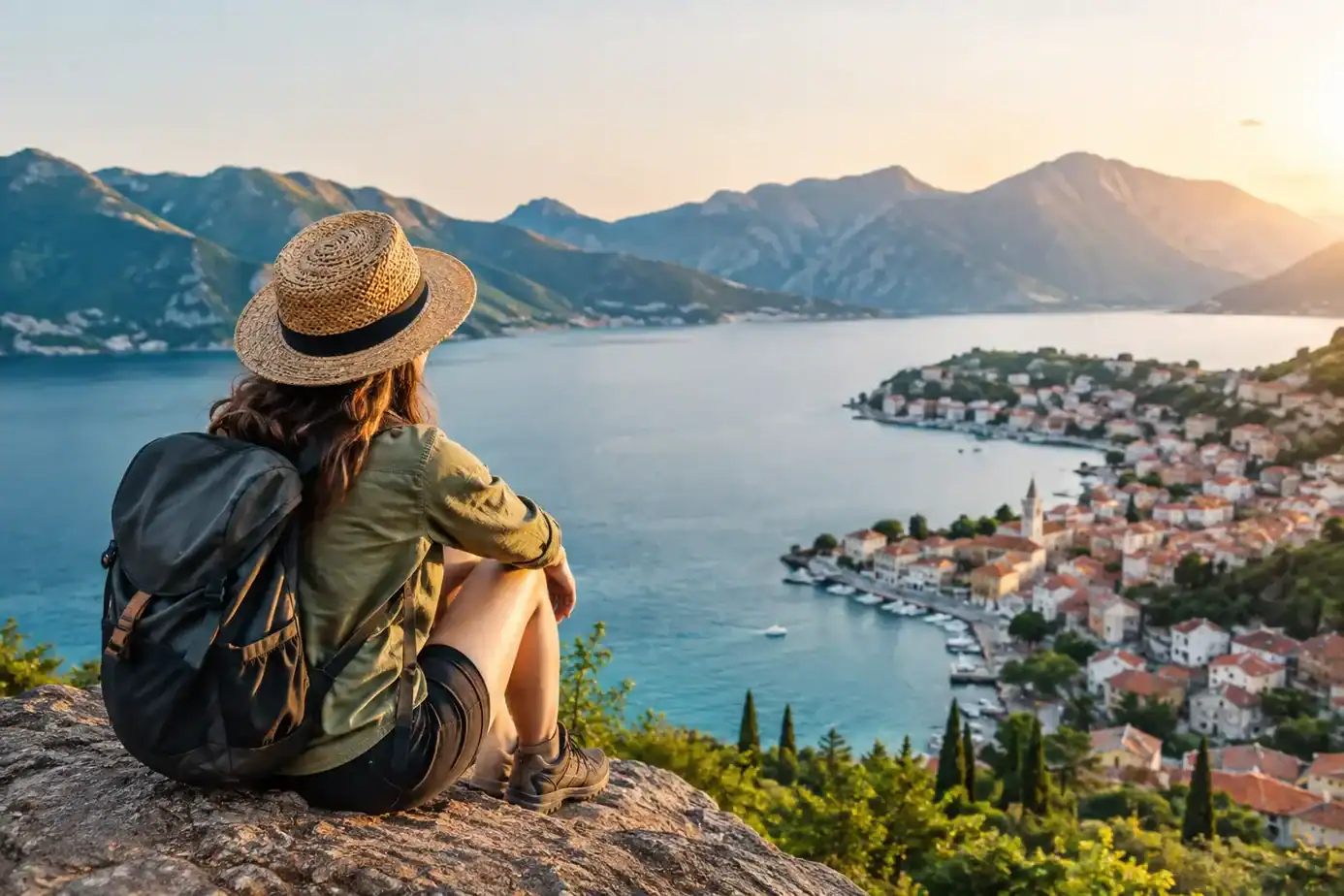
Slow travel is less about the number of days and more about your pace. You might spend a week in one neighborhood instead of hopping between three cities. You might take a scenic train rather than a short flight, cook breakfast in your rental a few mornings, or leave an entire afternoon open because a local recommended a trail, market, or tiny waterfront town worth seeing.
The point is connection. Rather than collecting destinations for a map, you give yourself time to notice what makes a place tick. You learn why a bakery has the line it does. You find the grocery store, the inexpensive lunch counter, the park where people actually gather after work. Those details are often what stay with you long after the big attraction photos disappear into your camera roll.
It also gives independent travelers more breathing room when plans change. Bad weather does not ruin the trip when you have another four days in town. A delayed train becomes inconvenient rather than catastrophic. And if you love somewhere, you can follow that feeling instead of leaving at sunrise because your color-coded itinerary says it is time.

Why Slow Travel Can Cost Less
Moving around is one of the quickest ways to inflate a travel budget. Every change of location brings another transportation ticket, another transfer, another baggage fee, and a greater chance of buying convenience food because you arrived tired and hungry. Staying put cuts down those friction costs.
Longer stays can also create better accommodation value. A weekly rate at a guesthouse, cabin, apartment, or glamping site may be lower per night than booking a series of one-night stays. This is especially useful in expensive destinations where the hotel rate hurts most. A place with a kitchenette, free parking, laundry, or breakfast can save more than a slightly cheaper room that leaves you paying for every basic need separately.
There is a less obvious saving, too: you stop spending to fill every hour. When you have only 36 hours somewhere, it is tempting to book the tour, order the big dinner, pay for the skip-the-line pass, and squeeze in every must-see. None of those choices is wrong. But with more time, a free self-guided walk, a local bus ride, a beach day, or an unplanned hike can become the highlight.
That said, slow travel is not automatically cheap. Staying longer means paying for more nights, and popular places can be expensive no matter how relaxed your itinerary is. The savings show up when you choose a sensible base, reduce transportation churn, and travel at a pace that lets you use everyday options rather than tourist-priced ones.

How to Plan a Slow Travel Trip
Start by picking one anchor destination and asking a simple question: can I happily spend five to seven days here? Look beyond famous capitals. Smaller cities, national park gateway towns, coastal communities, lake regions, and overlooked state destinations often work beautifully because they offer enough to do without demanding a packed schedule.
A good base has walkable areas or reliable public transportation, affordable food options, access to nature or day trips, and accommodation that fits your stay. If you are road-tripping, it should also have reasonable parking and several worthwhile places within a one- to two-hour drive. The goal is not to eliminate movement completely. It is to avoid packing up every morning.
Build a flexible week, not a minute-by-minute plan
Choose two or three non-negotiables – perhaps a museum, a guided kayak trip, and a special restaurant – then leave gaps around them. Book activities with limited availability early, but do not pre-book every meal and attraction before you arrive.
A loose structure might mean one active day, one lighter day, and one day trip, repeated as needed. This is particularly helpful for solo travelers, who may not want to navigate unfamiliar places after a long day, and for couples or families who know nonstop sightseeing can turn a vacation into work.
Check opening days, local transportation schedules, and seasonal conditions before you go. Slow travel is relaxed, not careless. A remote trailhead, ferry, or small-town restaurant may have limited hours, and missing it because you assumed it would be open is not charming.
Spend like a temporary local
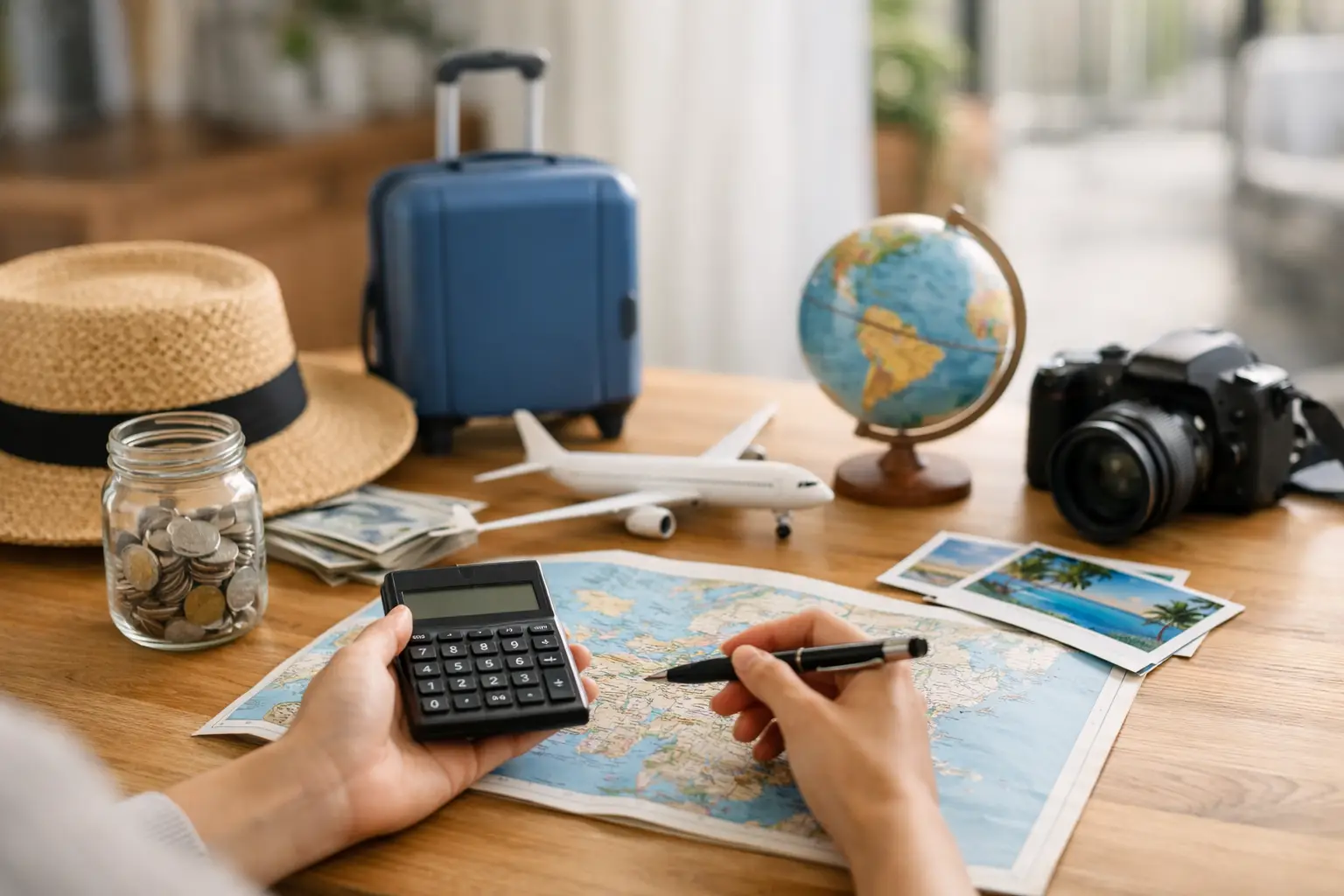
Give yourself permission to shop at a grocery store. Buy fruit, snacks, coffee, picnic supplies, and a few easy breakfasts. This does not mean eating sad sandwiches in your room while everyone else enjoys the destination. It means saving restaurant money for meals that genuinely feel worth it.
Ask bartenders, shop owners, park rangers, and front-desk staff what they do on their day off. The question is more useful than asking for the top attraction. You may get pointed toward a neighborhood taco spot, a quiet overlook, a free concert, or a short trail that never appears on the first page of a search result.
Public transportation and walking are part of the experience, but use common sense. If you arrive late with luggage, have a long travel day, or are in an area that does not feel comfortable, pay for the ride. Budget travel is about making thoughtful calls, not proving you can suffer through every inconvenience.
Use points and miles strategically
Slow travel pairs well with rewards, especially when hotel prices are high. Using points for a five-night stay can free up cash for a memorable food tour, a national park pass, a rental car, or a local experience. Some hotel programs also offer a fifth night free on award stays, which is a natural fit for travelers who want to stay in one place.
Still, do the math. A points redemption isn’t a win just because it is free at checkout. Compare the cash price, taxes and fees, location, and whether the property helps you avoid other costs. A hotel miles from town may look like a deal until you add daily parking or rideshare expenses.

Where Slow Travel Works Best
You do not need a sleepy village to travel slowly. A major city works if you choose one or two neighborhoods and resist the urge to cross town three times a day. Chicago, New Orleans, San Diego, and Philadelphia reward travelers who stay long enough to eat beyond the tourist core and explore on foot.
It can be even better in places built around the outdoors. Spend several nights near the Blue Ridge Parkway, a Great Lakes shoreline, the red rock country of southern Utah, or a coastal stretch in Oregon or Maine. Weather changes, trail conditions, and local recommendations become opportunities rather than disruptions when you are not racing onward.
Cruises can fit the idea, too, although it depends on the itinerary. A port-heavy cruise that gives you six hours in five different places is not especially slow. A smaller-ship sailing, a river cruise, or an itinerary with overnight port stays can offer more time to explore without repeatedly dealing with airports and hotels.
What Slow Travel Is Not
Slow travel does not mean every day has to be quiet, cheap, or serious. You can still chase a sunrise hike, book a wild rafting trip, stay in an unusual treehouse, or splurge on one exceptional dinner. The difference is that those moments are choices, not items you crammed into a schedule because you were afraid of missing out.
It also does not mean ignoring the popular sights. See the famous museum, landmark, or viewpoint if it matters to you. Just balance it with time to wander. The most satisfying trips usually have both: one or two things you came specifically to see, plus room for surprises you couldn’t have planned.
For Brit On The Move readers, that is the real advantage. Traveling slower is not about spending months away from home. It is about making the week you can take count. Pick a place with depth, build in breathing room, and let your money support experiences rather than constant logistics.
Next time you are tempted to add one more city to the itinerary, try giving those extra days to the place already on your list. You may return home with fewer transit receipts, better stories, and the rare feeling that you actually got to know where you went.
Looking For More? Start Here:
- 9 Best Women-Only Tour Companies for Adventure
- Best Unusual Places to Stay
- Find Cheap Flights That Are Worth Booking
- Hidden Gems in Europe Worth the Detour
- How to Travel More for Less in Real Life!
- How to Use Points for Hotels Wisely
- How to Use Travel Points Without Wasting Them Now
- Plan an Affordable Vacation Without Regret
- The Best Solo Travel Destinations in the USA
- Travel Hacks for Flights That Work
Brit On The Move™ Travel Resources
Ready to book your next trip? Use these resources that work:
Was the flight canceled or delayed? Find out if you are eligible for compensation with AirHelp.
- Hotels: Find the best prices; use Booking.com
- Apartment Rentals: Find the best prices on apartment rentals with Booking.com’s Apartment Finder.
- Travel Insurance: Don’t leave home without it. View our suggestions to help you decide which travel insurance is for you: Travel Insurance Guide.
- Credit Cards: Check out our recommendations for Travel Credit Cards.
- Volunteer Vacation or a Working Holiday? Check out the complete guide here!
- Rental Cars: Find the best deals here!