Travel Insurance Versus Card Coverage: Your Essential Guide to Peace of Mind
A canceled flight is annoying. A canceled trip after you have prepaid $2,000 in nonrefundable tours, lodging, and a cruise deposit is where travel insurance versus card coverage stops being a points-and-miles conversation and becomes a budget-protection decision.
Many travelers assume a premium credit card means they are fully covered. Others buy a standalone policy for every long weekend, even when their card already provides useful benefits. Neither approach is automatically right. The smart move is to understand what each option actually covers, what triggers coverage, and where gaps could leave you funding an emergency yourself.

This post may contain affiliate links. Please read our disclosure and privacy policy for more information.
For independent travelers, that distinction matters. A road trip can turn into a rental-car claim. A solo trek can turn into a medical evacuation. An ambitious multi-stop itinerary can fall apart because one carrier cancels the first flight. Your best protection depends less on the logo on your card and more on the kind of trip you are taking.
What Credit Card Travel Coverage Usually Does Well
Travel cards often include insurance-like benefits when you use the card to pay for at least part of the trip. The exact rules vary by issuer, card tier, and benefit guide, so never rely on a vague memory of what your card “probably” covers.
The strongest card benefits are often trip delay, trip cancellation or interruption for specific covered reasons, baggage delay, lost luggage, rental-car damage coverage, and travel accident coverage. These can be genuinely valuable, especially for a domestic weekend away or an international trip built around flights and hotels booked with that card.
Trip delay coverage is one of the most practical benefits. If a qualifying delay strands you overnight, a card may reimburse reasonable costs such as a hotel, meals, and transportation, up to its stated limit. That can save a frustrating airport night from becoming an expensive one.
Rental-car coverage can also be excellent, but there is a catch. Some cards provide secondary coverage, meaning your personal auto policy must be the primary coverage. Others offer primary coverage, which may let you avoid filing with your personal insurer for damage or theft. You typically need to decline the rental agency’s collision damage waiver and charge the entire rental to the eligible card.

Card coverage is especially attractive because it may come at no added cost beyond the annual fee you already pay. If you are using points to book a flight, check whether paying the taxes and fees with the card activates the benefit. Sometimes it does. Sometimes the rules require the full fare or a specific portion to be charged. Details matter.
Where Credit Card Coverage Can Disappoint
Credit card benefits are not a broad travel medical plan. This is the gap that catches travelers who are otherwise meticulous about finding cheap fares and maximizing points.
Some cards include emergency medical or evacuation benefits, but limits can be low, exclusions can be narrow, and coverage can be secondary to other insurance. Others offer no meaningful international medical coverage. A hospital visit abroad, particularly in a remote area or a country where private facilities expect payment upfront, can cost far more than a few delayed-flight meals.
Card coverage also tends to have strict definitions for a covered cancellation. Illness, injury, severe weather, jury duty, or a death in the family may qualify. Changing your mind because work got busy, a travel companion backed out, or a destination no longer feels appealing generally will not. If your trip is expensive and mostly nonrefundable, that limitation deserves real attention.

There are practical limits, too. Benefits often cap reimbursement per traveler or per trip. They may exclude prepaid expenses booked through certain channels, high-risk activities, long trips, or claims involving a pre-existing medical condition. You may also need receipts, proof of the delay or cancellation, and evidence that you paid with the card. A claim that is valid in spirit can still be denied if it does not meet the policy language.
When Standalone Travel Insurance Makes More Sense
A standalone travel insurance policy is worth considering when the financial exposure or medical risk exceeds what your card can comfortably cover. Think international trips with multiple prepaid bookings, cruises, guided adventure travel, expensive safari deposits, remote hiking, or any itinerary where getting home quickly could be complicated.
The biggest advantage is customization. You can select trip cancellation and interruption limits based on your total prepaid costs, add emergency medical and evacuation coverage, and look for benefits such as missed connections, baggage protection, and coverage for certain activities. You can also compare policies that address pre-existing medical conditions, although eligibility rules and purchase windows are often strict.
For a traveler with a nonrefundable $5,000 trip, a policy with $5,000 in cancellation coverage is easier to understand than hoping a card’s benefit applies to every booking. If you are traveling internationally without dependable health coverage abroad, emergency medical and evacuation coverage can be the reason to buy a policy, even if the trip itself is inexpensive.
That does not mean the most expensive policy is always the best policy. Travel insurance has exclusions, deductibles, claim documentation requirements, and benefit limits just like card coverage. A low-priced plan may offer limited medical coverage. A policy marketed as adventure-friendly may still exclude the exact activity you plan to do, such as technical climbing, scuba diving below a stated depth, or off-piste skiing.
Read the certificate or policy wording before you buy, not from an airport gate after a problem starts. If a benefit is a must-have, confirm it in writing rather than trusting a comparison chart.
Skip The Shopping
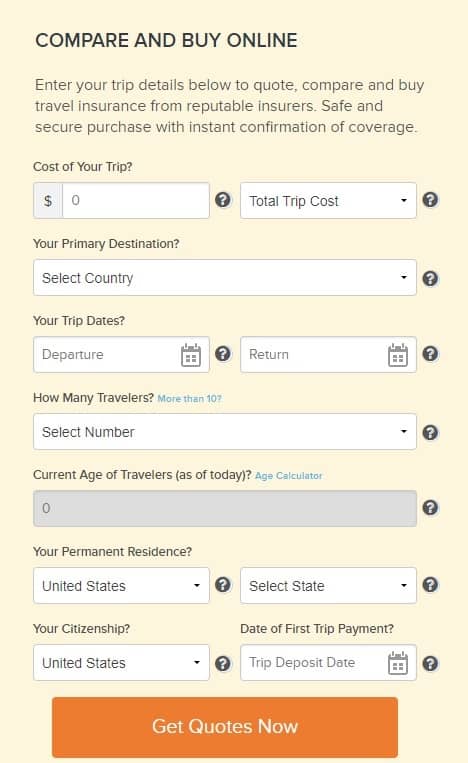
Compare All Travel Insurance Here
Travel Insurance Versus Card Coverage: A Practical Way To Choose
Start with the money you could not recover if you had to cancel tomorrow. Add prepaid flights, lodging, tours, cruises, transportation, and any truly nonrefundable deposits. Then look at the most expensive thing that could happen during the trip, which is often a medical emergency rather than a cancellation.
A card may well serve a short domestic trip with refundable lodging and a rental car with solid trip delay and primary rental car coverage. In that situation, standalone insurance can be unnecessary or duplicative.
A two-week international itinerary, a cruise, or a trip involving remote destinations creates a different calculation. Even if your card can reimburse a canceled flight, it may not provide enough medical coverage or emergency evacuation protection. That is where a standalone policy can be a sensible cost, not travel paranoia.
It is also possible to use both. Your credit card may cover a delayed bag or rental-car damage, while a standalone policy supplies the medical and cancellation protection your card lacks. If you have overlapping benefits, you cannot collect twice for the same loss, but layering coverage can close meaningful gaps.
Check These Details Before You Leave
Before relying on any benefit, pull up your card’s current benefits guide and the policy certificate for any insurance you are considering. Focus on these questions:
- What must I charge to the card for coverage to apply?
- What are the reimbursement limits per person, trip, and incident?
- Which cancellation and interruption reasons are covered?
- Is emergency medical coverage included, and is it primary or secondary?
- Are my planned activities, destinations, travel dates, and companions eligible?
Also, check how quickly you must report a problem. Airlines, rental agencies, insurers, and card benefit administrators may all have separate deadlines. Save receipts, take photos of damaged baggage or vehicles, and request written confirmation of delays and cancellations while you are still at the airport or rental counter. That small bit of admin is much easier on the road than reconstructing a claim weeks later.
Finally, do not confuse travel insurance with health insurance, auto insurance, or evacuation membership. Each can play a different role. If you have health coverage that works overseas, confirm what it pays and whether it pays providers directly. If you are renting a car, understand what your personal policy already covers before declining or buying anything at the counter.
The best travel protection should support the trip you actually take, not the imaginary one used in a marketing brochure. Before you book the next flight deal, spend 15 quiet minutes matching your coverage to your itinerary. That is a small investment for the freedom to travel farther, take the scenic detour, and handle the unexpected without letting it wreck your budget.
Looking For More?
- Essential Travel Insurance for Cruises
- How to Choose Travel Insurance
- The Best Way to Choose Travel Insurance
- Travel Insurance vs Medical Insurance
- When Should You Buy Travel Insurance?
Brit On The Move™ Travel Resources
Ready to book your next trip? Use these resources that work:
Was the flight canceled or delayed? Find out if you are eligible for compensation with AirHelp.
- Hotels: Find the best prices; use Booking.com
- Apartment Rentals: Find the best prices on apartment rentals with Booking.com’s Apartment Finder.
- Travel Insurance: Don’t leave home without it. View our suggestions to help you decide which travel insurance is for you: Travel Insurance Guide.
- Credit Cards: Check out our recommendations for Travel Credit Cards.
- Volunteer Vacation or a Working Holiday? Check out the complete guide here!
- Rental Cars: Find the best deals here!