Travel Insurance vs Medical Insurance: Your Essential Guide to Ultimate Protection
A missed connection is frustrating. A surprise hospital visit in another country can wreck a trip budget for years. That is why travel insurance vs medical insurance is not a minor paperwork question – it is a practical decision about which financial risks you are actually carrying when you leave home.
For most U.S. travelers, regular health insurance is designed for the life you live, where you live. Travel insurance is built for the unpredictable messes that can arise during a trip: cancellations, interruptions, delayed bags, emergency evacuations, and sometimes emergency medical care. They can overlap, but they are not substitutes in every situation.

This post may contain affiliate links. Please read our disclosure and privacy policy for more information.
Travel Insurance vs Medical Insurance: The Core Difference
Medical insurance, usually meaning your employer plan, Affordable Care Act plan, Medicare, Medicaid, or private health plan, pays for eligible healthcare. Its rules are tied to your provider network, deductible, copays, and plan service area. Coverage may work well in your home state, less well across state lines, and poorly or not at all overseas.
Travel insurance is a short-term policy purchased for a specific trip. A comprehensive plan can include trip cancellation and interruption, travel delay, baggage coverage, emergency medical treatment, medical evacuation, and assistance services. Some policies are mainly travel medical plans, which focus on emergency care abroad rather than cancellation benefits.
The naming gets confusing because both may be responsible for medical bills. The key is to ask what problem you are solving. If you break an ankle hiking in Patagonia, emergency travel medical coverage and evacuation matter. If a hurricane closes your departure airport or a covered illness forces you to cancel a prepaid cruise, that is where trip cancellation coverage earns its keep.
What Your Health Plan May Cover While Traveling
Do not assume your insurance card works everywhere just because it worked on a weekend trip two states away. Start with the plan documents or a call to your insurer before you book nonrefundable travel.
For domestic trips, many PPO plans offer some out-of-network coverage, particularly for emergencies. HMOs can be more restrictive, although emergency stabilization is generally handled differently from routine care. The catch is cost: an out-of-network emergency room, ambulance, or follow-up appointment can still leave you with a much larger bill than you expected.
Internationally, coverage varies wildly. Some private plans cover emergency care abroad and reimburse you after you pay upfront. Others offer limited benefits, use a small network, or exclude non-emergency treatment. Medicare generally does not cover healthcare outside the United States, with narrow exceptions near U.S. borders or on certain cruises. Medicaid coverage outside your state can also be limited.
Even when your health plan says it covers foreign emergencies, check the details. Does it include medical evacuation? Is there a maximum benefit? Will the insurer guarantee payment to a hospital, or must you put thousands of dollars on a credit card and seek reimbursement later? Those answers matter far more than a vague promise of “worldwide coverage.”

What Travel Insurance Usually Adds
A solid, comprehensive travel policy covers risks that medical insurance was never designed to handle. Trip cancellation can reimburse prepaid, nonrefundable expenses when a covered reason stops you from traveling before departure. Trip interruption can help if you need to go home early. Travel delay coverage may reimburse reasonable meals and lodging when a long delay meets the policy threshold.
Emergency medical coverage is particularly useful for international travel, but be aware of its limits. It is usually for sudden, unforeseen illness or injury, not a routine checkup, an elective procedure, or ongoing treatment you planned to receive abroad.
Emergency medical evacuation is the benefit many travelers underestimate. If you are on a remote island, deep in a national park, or in a destination without appropriate care, transportation to a suitable facility can cost tens of thousands of dollars or much more. Your health insurer may not arrange or pay for that transport. A travel insurer’s assistance team can coordinate logistics and the bill.
Baggage benefits are handy but should not be the main reason to buy a policy. Reimbursement limits, depreciation rules, and exclusions can make a lost suitcase less lucrative than the marketing suggests. Keep receipts for expensive gear and never check essentials such as medications, documents, electronics, or a day’s worth of clothes if you can avoid it.
When You Might Need Both
For a quick domestic trip, your existing health insurance plus a credit card with useful trip protections may be enough. That is especially true if you are booking refundable lodging, renting a car with the right coverage, and can absorb the cost of a last-minute change.
For an international trip, the case for travel medical coverage is stronger. It is worth considering even if your health plan claims overseas emergency benefits, because evacuation and insurer assistance can fill costly gaps. This is one place where trying to save $40 can be false economy.
You are also a strong candidate for comprehensive travel insurance if your trip involves a large nonrefundable deposit, several prepaid bookings, a cruise, an expensive guided adventure, or travel during a season when weather disruptions are common. Think safari deposits, expedition cruises, a week of prepaid hut-to-hut hiking, or a family reunion you cannot easily reschedule.
Travelers with pre-existing conditions need to be extra deliberate. Most travel policies exclude losses tied to a pre-existing condition unless you qualify for and purchase a waiver, often soon after making the first trip payment. The timing rules can be strict. Buying insurance the night before a flight is rarely the same as protecting a trip when you first put down a deposit.
Skip The Shopping
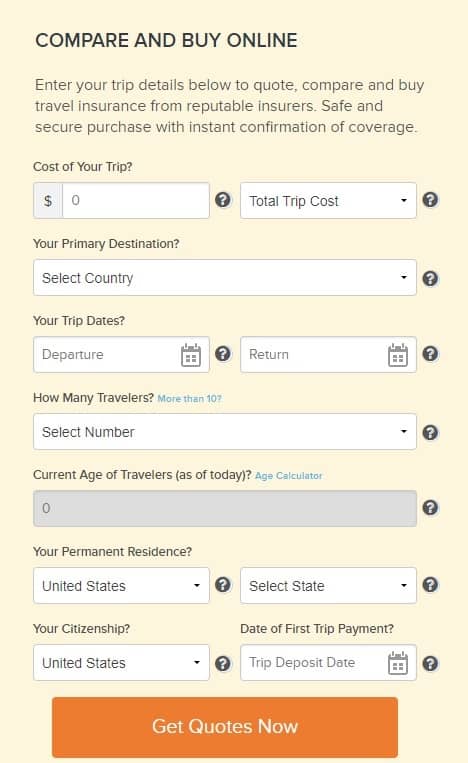
Compare All Travel Insurance Here
The Gaps That Catch Travelers Off Guard
The biggest mistake is buying a policy based on its price or a single headline benefit. Policies are contracts, and the exclusions are where the real comparison happens.
For cancellation coverage, “covered reason” is the phrase to watch. Fear of travel, a change of heart, a work conflict, or deciding the forecast looks miserable generally will not qualify. Cancel For Any Reason coverage offers more flexibility, but it costs more, usually reimburses only part of your expenses, and has purchase deadlines.
Adventure travelers should check activity exclusions before assuming a policy covers everything. Scuba diving, backcountry skiing, climbing, high-altitude trekking, motorcycling, and organized races may require specific coverage or may be excluded entirely. The same goes for renting scooters abroad. A cheap beach rental can turn into a very expensive claim if you are unlicensed, uninsured, or in violation of local law.
Alcohol- or drug-related incidents, known storms, civil unrest, pregnancy-related care, and pandemics can also be handled differently depending on the policy and the date you bought it. There is no universal “best” plan. There is only the plan whose language fits your trip.

How to Choose Without Overpaying
Before shopping, total your prepaid, nonrefundable expenses. Separate costs you could recover through a hotel, airline, tour operator, or credit card from costs you would truly lose. Then look at your existing health plan, credit card protections, and the medical realities at the destination.
When comparing policies, focus on four areas: emergency medical limits, medical evacuation limits, cancellation and interruption terms, and exclusions for your activities or health history. For overseas travel, do not choose a plan with tiny medical limits simply because it includes baggage delay. Medical coverage and evacuation benefits can help protect your savings.
Also, check whether the policy is primary or secondary medical coverage. Primary coverage can pay first, while secondary coverage may require you to file with your health insurer before it pays. That distinction affects the claims process, particularly if you need care in the United States.
Finally, save the insurer’s emergency assistance number in your phone and carry it offline. If you are hospitalized, contact the assistance team as soon as it is safe to do so. They can confirm benefits, communicate with providers, and coordinate transport if needed. Documentation matters too: keep medical records, receipts, police reports for theft, and written proof of delays or cancellations.
A Smart Traveler’s Rule of Thumb
Use medical insurance to understand your baseline healthcare protection. Use travel insurance to protect against the financial and logistical risks of the trip. For many international or high-cost trips, the practical answer is both.
Before you hit “book,” spend ten quiet minutes matching the policy to the trip you are actually taking – not the imaginary perfect vacation in which every flight is on time, every trail is dry, and nobody gets sick. That small bit of planning keeps a bad travel day from becoming a financial detour that follows you home.
Looking For More?
- Essential Travel Insurance for Cruises
- How to Choose Travel Insurance
- The Best Way to Choose Travel Insurance
- Travel Insurance vs Credit Card Coverage
- When Should You Buy Travel Insurance?
Brit On The Move™ Travel Resources
Ready to book your next trip? Use these resources that work:
Was the flight canceled or delayed? Find out if you are eligible for compensation with AirHelp.
- Hotels: Find the best prices; use Booking.com
- Apartment Rentals: Find the best prices on apartment rentals with Booking.com’s Apartment Finder.
- Travel Insurance: Don’t leave home without it. View our suggestions to help you decide which travel insurance is for you: Travel Insurance Guide.
- Credit Cards: Check out our recommendations for Travel Credit Cards.
- Volunteer Vacation or a Working Holiday? Check out the complete guide here!
- Rental Cars: Find the best deals here!