Yulee Sugar Mill Ruins Historic State Park: A Complete Guide to This Historic Homosassa Landmark
Hidden in the heart of Old Homosassa, Florida, Yulee Sugar Mill Ruins Historic State Park preserves the remains of one of Florida’s most important 19th-century sugar plantations. Although the park is small and can be visited relatively quickly, the ruins tell a much larger story involving plantation agriculture, enslaved labor, Florida politics, industrial innovation, the Civil War, and the development of the Homosassa area.
The site is particularly worthwhile for travelers exploring the Nature Coast, especially those already visiting Homosassa, Crystal River, or nearby Florida springs.

This post may contain affiliate links. Please read our disclosure and privacy policy for more information.
What Is Yulee Sugar Mill Ruins Historic State Park?
The park preserves the remnants of a steam-powered sugar mill that operated from 1851 until 1864. The mill was part of the approximately 5,000-acre Margarita Plantation, owned by David Levy Yulee, a prominent Florida businessman and politician.
Today, very little of the original plantation survives. The most recognizable features are the approximately 40-foot limestone-masonry chimney, sections of the mill, large iron gears, and a cane press. Interpretive displays explain how the mill operated and the people who lived and worked here.
The park is listed on the National Register of Historic Places and is managed by Florida State Parks.
The History of David Levy Yulee

David Levy Yulee was one of the most influential figures in early Florida history. He participated in Florida’s first constitutional convention, served as a territorial delegate to Congress, and became Florida’s first U.S. senator after statehood in 1845. He was also heavily involved in Florida’s railroad development.
Yulee established Margarita Plantation near the Homosassa River, where the area’s warm climate and fertile land supported sugarcane cultivation. The plantation eventually became a substantial agricultural enterprise producing sugar and other products.
However, the prosperity of the plantation depended upon enslaved labor. More than 100 enslaved people worked on the plantation and mill, performing the exhausting and dangerous work required to cultivate, harvest, and process sugarcane.
That history is essential to understanding the ruins today. The park does not simply represent an early Florida industrial achievement; it also represents the human cost of the plantation economy.
How the Sugar Mill Worked
The mill was an impressive piece of industrial technology for its time. Sugarcane was harvested in the fields and transported to the mill, where large mechanical presses crushed the stalks to extract their juice. The juice was then boiled and processed into products including sugar, syrup, molasses, and rum.
The work was physically demanding and dangerous. Workers operated heavy machinery, handled boiling liquids, and worked around enormous furnaces that generated intense heat. Even the leftover cane stalks had a purpose: they could be burned as fuel for the mill’s furnaces.

The mill’s machinery was transported from New York by ship. Among the equipment was a massive iron boiler and steam machinery used to power the operation. Some of the surviving mechanical components provide a fascinating glimpse into the technology used by Florida’s early agricultural industries.
Yulee Sugar Mill and the Civil War
The Civil War dramatically changed the plantation’s future. The mill supplied sugar products to Southern forces during the war. Union naval forces attempted to disrupt agricultural production and supply routes along Florida’s waterways.
In May 1864, Union troops traveled up the Homosassa River looking for Yulee’s operation. They did not locate the sugar mill, but they found supplies near Yulee’s home on nearby Tiger Tail Island. His home and the stockpiled supplies were burned.
Remarkably, the sugar mill itself survived the raid. It never reopened, however, and the operation eventually disappeared. When the Civil War ended, the enslaved people who had worked at Margarita Plantation were freed.
What You Can See Today At Yulee Sugar Mill Ruins
The 40-foot chimney is the most obvious feature and is remarkably close to the roadway. The remaining machinery includes iron gears and the cane press, while portions of the original masonry structure help visitors appreciate the mill’s size and design.

Interpretive panels provide additional information about the plantation, sugar production, the Civil War, and the people connected to the site. Florida State Parks is also planning improvements to the interpretive exhibits.

One of the most interesting aspects is imagining what stood here when the mill was operating. Instead of today’s quiet roadside park, the landscape once contained fields of sugarcane, plantation buildings, workers’ quarters, machinery, warehouses, and transportation routes connecting the plantation to the Homosassa River.
Picnic Area

One of the park’s nicest surprises is that the experience isn’t limited to the ruins. Across the road is an open grassy area beneath mature oak trees with picnic tables, grills, and a picnic pavilion. Florida State Parks describes the location as an ideal place for lunch, a family gathering, or simply relaxing beneath the trees.
Because the ruins are relatively small, combining a visit with a picnic is an excellent way to extend your stop.
Remember that the ruins and picnic area are separated by the road, so use caution when crossing.
How Long Do You Need To View Yulee Sugar Mill Ruins?
Yulee Sugar Mill is not a large state park with miles of hiking trails or a major visitor center. It is primarily a historic site and interpretive stop. For most travelers, allow approximately 20 to 45 minutes to explore the ruins, read the interpretive information, take photographs, and walk around the site. Allow additional time if you want to have lunch at the picnic area. History enthusiasts may want to spend more time, as the site becomes much more interesting when you take the time to understand what happened here rather than simply photographing the chimney.
I’ve taken countless visitors here, but we typically stay only 20 minutes at best. And I always combine viewing the ruins with a visit to Homosassa Springs.
The park is open 8 a.m. until sunset, 365 days a year, and there is currently no admission fee. It is located on State Road 490 in Homosassa. Because there is no entrance fee and the site is small, it works particularly well as an impromptu stop on an exploration of Old Homosassa. Early morning or late afternoon can be especially pleasant for photography and avoiding the strongest midday heat. Florida’s heat, humidity, mosquitoes, and insects are worth considering when planning any outdoor stop.
Location Of Yulee Sugar Mill Ruins Historic State Park
Address: Yulee Sugar Mill Ruins Historic State Park is located on State Road 490 in Homosassa, Florida.
From U.S. 19, follow County Road 490 West, also known as Yulee Drive, for approximately 2.5 miles. Florida State Parks notes that the ruins are extremely close to the roadway and are easy to see once you reach the site.
Preservation and Restoration
Keeping the remaining ruins standing has presented some unusual challenges. The chimney and mill remnants are located only a few feet from the modern road. More than a century of exposure to weather, combined with vibrations from passing traffic, has affected the historic masonry.
The Florida Park Service acquired the property in 1970. Archaeological investigations later examined the condition of the ruins, and the Florida Park Service worked with the National Park Service on stabilization efforts.
Modern techniques, including laser scanning, have been used to analyze the historic masonry and determine how much traditional tabby material was needed for repairs. These efforts are important because the surviving structures are among the few physical reminders of this chapter in Florida’s agricultural and industrial history.
Things to Do Nearby
Yulee Sugar Mill works particularly well as one stop on a larger Homosassa and Nature Coast itinerary. Nearby attractions include Homosassa Springs, Old Homosassa’s waterfront and fishing community, the Homosassa River, restaurants and seafood spots, wildlife experiences, kayaking and boating opportunities, and other historic sites throughout Citrus County.
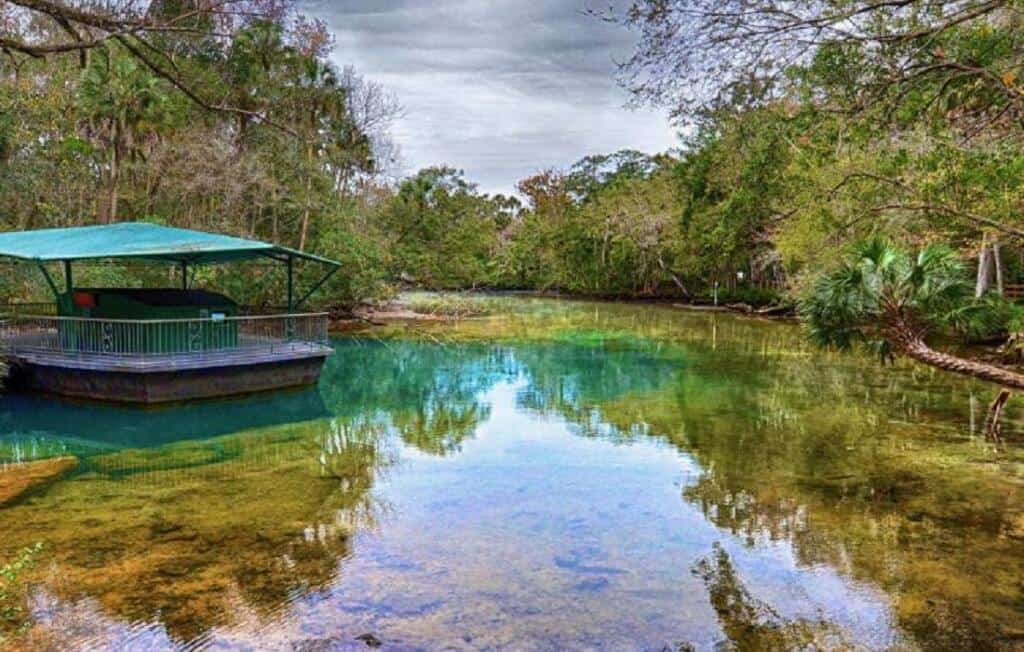
If you’re exploring Florida’s springs, you can easily combine the sugar mill with a day focused on Homosassa Springs and the surrounding waterways.
Is Yulee Sugar Mill Ruins Worth Visiting?
Yes, particularly if you enjoy Florida history.
Don’t visit expecting a huge attraction. Yulee Sugar Mill is small, and you can see the primary ruins relatively quickly. Its value comes from the story behind what remains.
The chimney, machinery, and mill ruins provide a tangible connection to a plantation that once covered thousands of acres. More importantly, the site encourages visitors to consider both sides of the story: the technological and agricultural development of 19th-century Florida and the exploitation and suffering of the enslaved people whose labor made that success possible.
For travelers exploring Homosassa, the park is an easy, free, historically significant stop that can be combined with a picnic or other Nature Coast attractions.
Yulee Sugar Mill Ruins at a Glance
- Location: State Road 490, Homosassa, Florida
- Admission: Free
- Hours: 8 a.m. to sunset, daily
- Established as a state park: 1970 acquisition by Florida Park Service
- Historic mill operation: 1851–1864
- Plantation: Approximately 5,000 acres
- Main features: 40-foot limestone chimney, iron gears, cane press and mill ruins
- Amenities: Parking, interpretive exhibits, picnic pavilion, tables and grills
- Best for: History, photography, educational stops and picnicking
- Recommended visit: About 20–45 minutes, longer with a picnic
Yulee Sugar Mill Ruins Historic State Park may be one of Florida’s smaller state parks, but its significance is much larger than its size suggests. Standing beside the weathered chimney and surviving machinery offers a rare opportunity to connect today’s Homosassa landscape with the people, technology, agriculture, slavery, and Civil War history that shaped this part of Florida.
Looking For More?
- 20 Best Places to Kayak in Florida
- Amphicar Disney Springs – The Most Unusual Attraction
- Cassadaga, Florida – The Psychic Capital Of The World
- Homosassa Springs Florida
- Ozello Florida
- Rainbow River – Why You Should Visit
- Three Sisters Springs Wildlife Refuge – Crystal River
Brit On The Move™ Travel Resources
Ready to book your next trip? Use these resources that work:
Was the flight canceled or delayed? Find out if you are eligible for compensation with AirHelp.
- Hotels: Find the best prices; use Booking.com
- Apartment Rentals: Find the best prices on apartment rentals with Booking.com’s Apartment Finder.
- Travel Insurance: Don’t leave home without it. View our suggestions to help you decide which travel insurance is for you: Travel Insurance Guide.
- Credit Cards: Check out our recommendations for Travel Credit Cards.
- Volunteer Vacation or a Working Holiday? Check out the complete guide here!
- Rental Cars: Find the best deals here!