How Many Days Do You Need for Cusco and Machu Picchu? Plan the Perfect Journey for an Unforgettable Experience
Heading to Peru? Most people ask, “How many days do you need for Cusco and Machu Picchu?” Most travelers need four to five days for Cusco and Machu Picchu. Three days can work on a tight schedule, but it leaves little time to adjust to the altitude and no margin for train delays. Adding the Inca Trail or extra day trips pushes the total closer to a week. The right number for your trip comes down to three things: how you handle altitude, how you plan to reach Machu Picchu, and what else you want to see in the region. Below, you’ll find where each day goes and what to book ahead, so you can set aside the right amount of time before you buy flights.

This post may contain affiliate links. Please read our disclosure and privacy policy for more information.
Most Travelers Need Four to Five Days for Cusco and Machu Picchu
Four or five days gives you time to acclimatize, see the Sacred Valley, and visit Machu Picchu without rushing between trains. A typical split looks like this:
- Days 1 and 2: Arrive in Cusco and transfer to the Sacred Valley, a lower-lying area of Inca towns and farmland about an hour away. Rest and take short walks while your body adjusts.
- Day 3: Visit Sacred Valley sites such as Pisac or Ollantaytambo, then take the afternoon train to Aguas Calientes, the small town at the base of Machu Picchu.
- Day 4: Tour Machu Picchu in the morning, then return to Cusco by train and road.
- Day 5: Spend a final day in Cusco, or keep it as a buffer before your flight home.
Three days is possible, but it means heading to Machu Picchu almost as soon as you land. First-time visitors who would rather not coordinate every train, ticket, and transfer themselves often use a Machu Picchu tour operator. Trip designers at Machu Travel Peru build the itinerary around each traveler’s pace rather than a fixed group departure, and they book trains, entry tickets, internal flights, and transfers together, with 24/7 support while you’re in Peru.

Plan at Least Two Days to Adjust to Cusco’s Altitude
Cusco sits at about 11,150 feet (3,400 meters), high enough that most visitors feel some effect on arrival. Headaches, shortness of breath, and poor sleep are common in the first 24 to 48 hours. Locals call altitude sickness soroche. Two easy days before any strenuous activity lowers the chance it affects your Machu Picchu visit. The site itself is lower, at about 7,970 feet (2,430 meters), so most people find it easier going than Cusco.
These steps help during the first two days:
- Sleep lower first. The Sacred Valley sits at about 9,400 feet (2,870 meters), so many itineraries head straight there from the airport and save Cusco for the end of the trip.
- Keep day one light. Short walks are fine, but leave hikes and steep city streets for later.
- Drink plenty of water and limit alcohol. Most hotels offer coca tea, a common local remedy.
- Talk to your doctor before you travel about medication such as acetazolamide, especially if you have had altitude problems before.
Set Aside One Full Day for Machu Picchu, Plus Travel Time
Getting to Machu Picchu takes longer than many visitors expect, since no road runs all the way to Aguas Calientes. Trains from Ollantaytambo take about 1.5 to 2 hours. Departures from Poroy, roughly a 20-minute drive from central Cusco, take around 3 to 3.5 hours. PeruRail and Inca Rail both run the route at different service levels. From Aguas Calientes, shuttle buses take about 25 minutes to reach the site entrance.
Entry uses timed tickets tied to set circuits or walking routes, with a daily visitor cap. Book your ticket two to three months ahead for June through August, and earlier if you want to climb Huayna Picchu or Machu Picchu Mountain. Both need a separate ticket with a much smaller daily limit. A night in Aguas Calientes before your visit lets you take an early entry slot, when the site is quieter. It adds about half a day, but the visit itself feels far less hurried.
Add Two to Four Days for the Inca Trail or Extra Excursions
The Classic Inca Trail takes four days and three nights and finishes at Machu Picchu through the Sun Gate. Permits are capped at 500 people per day, including guides and porters, so the actual number of trekkers is much lower. Dry-season dates often sell out six months or more in advance. The trail also closes every February for maintenance. Plan to acclimatize in Cusco or the Sacred Valley first, which brings the trek to about seven days total.
If a multi-day trek is more than you want, these shorter additions fit around a standard plan:
- Short Inca Trail: a one-day hike from Km 104, usually followed by a night in Aguas Calientes. It adds about one day.
- Rainbow Mountain (Vinicunca): a full day from Cusco with a summit near 17,000 feet (5,200 meters). Save it for the end of your trip, once you have adjusted.
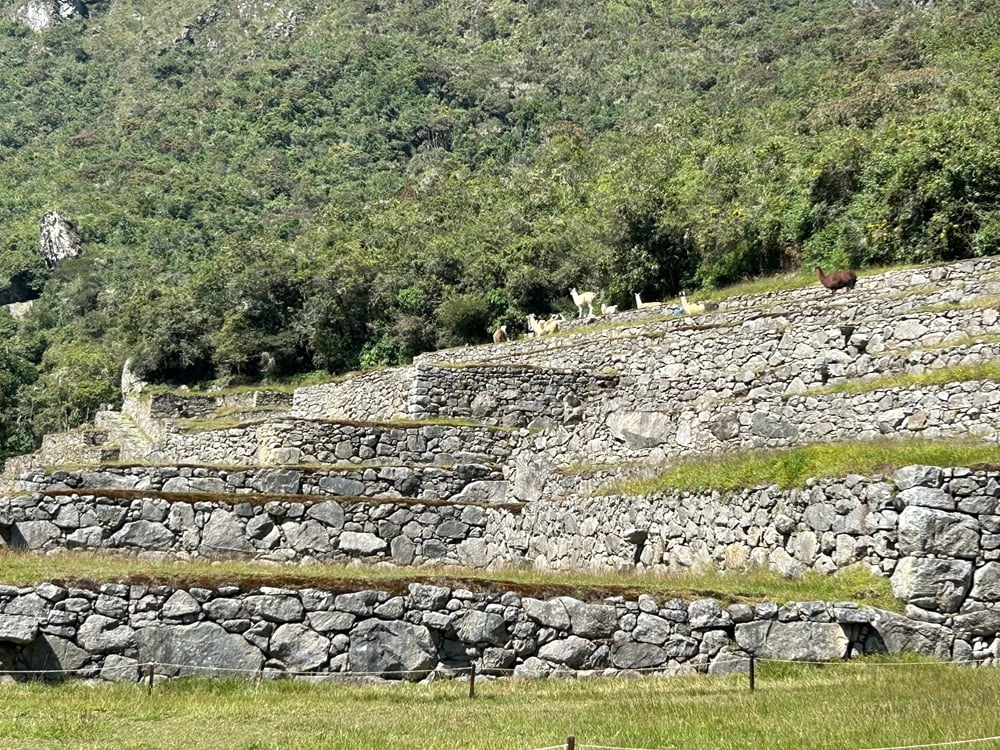
- Moray and Maras: circular Inca farming terraces and terraced salt pans that combine into a half day in the Sacred Valley.
Sample Three-, Five-, and Seven-Day Plans
A Cusco and Machu Picchu itinerary can stretch or shrink depending on your available time. These outlines show what each length allows:
- Three days: Fly into Cusco and transfer to the Sacred Valley. Take the train to Aguas Calientes on day two and visit Machu Picchu on day three before returning. This works best for travelers who have already spent time at altitude elsewhere in Peru.
- Five days: Two days in the Sacred Valley, an overnight in Aguas Calientes, a morning at Machu Picchu, and a final day in Cusco. This is the most balanced option for first-time visitors.
- Seven days: Two acclimatization days, the four-day Classic Inca Trail, and a rest day in Cusco to finish. Swap the trek for Rainbow Mountain and Moray if you’d rather not camp.

Choose Your Trip Length and Book the Pieces Early
Once you’ve settled on how many days for Cusco and Machu Picchu suit your plans, check train and entry ticket availability for your dates before booking international flights. Peak-season permits and early entry slots go first, so book those first and build the rest of the trip around them. If you’d like the trains, tickets, and acclimatization days arranged for you, speak with a trip designer about putting together a plan that matches your pace and travel dates.
Looking for more posts on South America? Start here:
- 15 Reasons To Visit Quito, Ecuador – Now!
- Argentina – What You Need to Know
- Colonia Uruguay from Argentina
- Hotel Del Salto at Tequendama Falls – Colombia
- Iguazu Falls – Brazil and Argentina
- Rio de Janeiro, Brazil – The Complete Guide
- Salt Cathedral of Zipaquirá – Bogotá, Colombia
- Villa de Leyva – Casa Terracota
Brit On The Move™ Travel Resources
Ready to book your next trip? Use these resources that work:
Was the flight canceled or delayed? Find out if you are eligible for compensation with AirHelp.
- Hotels: Find the best prices; use Booking.com
- Apartment Rentals: Find the best prices on apartment rentals with Booking.com’s Apartment Finder.
- Travel Insurance: Don’t leave home without it. View our suggestions to help you decide which travel insurance is for you: Travel Insurance Guide.
- Credit Cards: Check out our recommendations for Travel Credit Cards.
- Volunteer Vacation or a Working Holiday? Check out the complete guide here!
- Rental Cars: Find the best deals here!