
How to Book Repositioning Cruises: Unlock Cheap Adventures With Exceptional Value
A cruise ship does not stay in the Caribbean all year. When seasons change, ships relocate: Florida to Europe in spring, Alaska to warmer waters in fall, or the Pacific Coast to Hawaii and beyond. That operational reality is exactly why learning how to book repositioning cruises can put a longer, more interesting trip within reach of a normal travel budget.

This post may contain affiliate links. Please read our disclosure and privacy policy for more information.
These sailings, also called repo cruises, can offer unusually low per-night fares, plenty of sea days, and ports you might not otherwise combine in one itinerary. But they are not automatic bargains. A cheap cabin can become an expensive trip once you add a one-way flight, hotel, gratuities, and time away from work. The sweet spot is finding a sailing that is genuinely affordable and fits the way you like to travel.
What Makes A Repositioning Cruise Different?
A repositioning cruise happens when a cruise line moves a ship between seasonal homeports. Instead of sailing the ship empty, it sells cabins for the journey.
Classic examples include transatlantic crossings between the Caribbean or Florida and Europe, fall sailings from Vancouver or Seattle to California and Mexico, and spring trips that reposition ships to Alaska. You may also see longer routes through the Panama Canal, across the Pacific, or between Australia, Asia, and North America.
Because the ship is getting where it needs to go anyway, cruise lines sometimes price these itineraries lower than a comparable round-trip cruise. The trade-off is that routes can be one-way, longer, and heavy on sea days. That makes them fantastic for travelers who want to slow down, read a book, enjoy the ship, or work remotely if the Wi-Fi is reliable enough. They are less ideal if your dream vacation means a new port every morning.
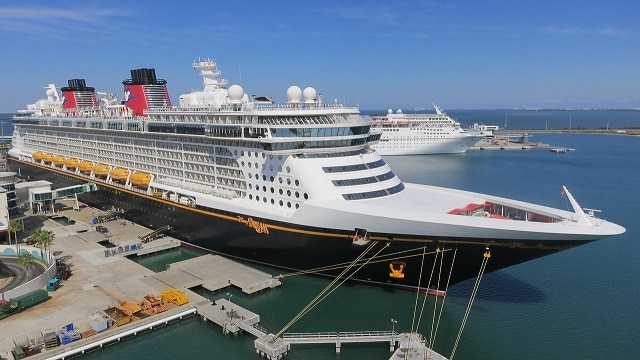
How To Book Repositioning Cruises Without Killing The Savings
Start with your availability, not the lowest headline fare. A 14-night cruise for $699 sounds brilliant until you realize it leaves from Barcelona, arrives in Fort Lauderdale, and your only realistic flight home costs more than the cruise itself. Repositioning cruises reward flexible travelers, but flexibility still needs guardrails.
Search By Region And Season First
Think about where ships need to move. In March through May, look for ships heading from the Caribbean, Florida, or California to Europe, Alaska, and the Mediterranean. From September through November, look for ships returning south from Alaska or leaving Europe before winter.
Use cruise line websites and major cruise search tools, filtering for one-way itineraries, longer sailings, or the regions that match the season. Search terms such as “transatlantic,” “Panama Canal,” “Pacific Coastal,” and “repositioning” help, but do not rely on the word “repositioning” appearing in every listing. Many lines simply list the route by its departure and arrival ports.
Once you find a possible sailing, check the cruise line’s calendar for nearby dates and comparable ships. The best value is not always the cheapest cabin. A slightly higher fare that includes a better port schedule, drink package promotion, or a departure from a city with inexpensive flights can be the smarter booking.
Price The Whole Trip Before You Get Attached
This step separates a deal from a tempting number on a screen. Before booking, estimate the complete cost: cruise fare, taxes and port fees, daily gratuities, one-way airfare, pre-cruise hotel, airport transfers, travel insurance, shore excursions, and any onboard spending you actually plan to do.
For a transatlantic sailing, airfare can work in your favor. Open-jaw or one-way international tickets are not always dramatically more expensive than round trips, especially when you use airline miles. For domestic repo cruises, the flight math can be trickier. A sailing from Vancouver to Los Angeles may be cheap, but cross-border flights and a hotel near the port can erase the bargain.
Also compare cabin categories honestly. Interior cabins are often the best per-night value, particularly on routes with packed sea-day schedules and ports you care more about than a private balcony. On the other hand, a balcony can feel worth it on a scenic Alaska repositioning or a Panama Canal transit. Spend where the experience genuinely changes for you, not because the booking screen makes an upgrade look like a now-or-never decision.

Check Flights Before You Pay The Deposit
Never assume you can sort out the flight later. Search one-way flights as soon as you are considering a sailing, including nearby airports and a day or two on either side of the cruise date.
For an international departure, arriving at least one day early is the sensible move. Weather delays, missed connections, and airline schedule changes happen. Missing a ship in Rome, Barcelona, or Southampton is a miserable way to start a vacation, and flying in early gives you a bonus day in a city you may not have visited otherwise.
When flying home, do not book an early departure on disembarkation morning. Ships can clear late, lines can be slow, and airports can be farther from port than expected. A later flight buys peace of mind. If the price difference is small, an extra hotel night can turn a rushed ending into a relaxed final day.
Read The Itinerary Beyond The Port Names
A repo cruise may have six, eight, or even ten sea days in a row. For some travelers, that is the whole appeal. You have time for the gym, trivia, shows, specialty dining, pool afternoons, and the rare luxury of being unreachable for a while.
For others, it feels like being stuck in a floating mall. Be realistic about your travel personality and the ship itself. A newer ship with varied included activities, good public spaces, and entertainment you would actually enjoy may be worth paying more for on a sea-day-heavy route. If your priority is ports, look for a sailing with fewer consecutive days at sea, even if the base fare is not quite as low.
Port timing matters too. A stop from 7 a.m. to 1 p.m. is different from an overnight in a city. Look at arrival and departure times, tender requirements, and whether the port is somewhere you can explore independently. Repositioning itineraries often include unusual stops, which is a major part of their appeal, but not every stop is easy or inexpensive to experience without planning.
When Should You Book a Repositioning Cruise?
No single booking window is perfect. Cruise lines may discount early to fill a long, unusual route, then drop prices again closer to departure if cabins remain. Booking early gives you better cabin selection and more time to use points or monitor airfare. Waiting can produce a lower fare, but it can also mean expensive flights and fewer choices.
A practical middle ground is to start watching 9 to 15 months out, especially for transatlantic routes or anything requiring an international flight. If you find a fare that works with your total-trip budget, book a refundable or flexible rate when available, then monitor the price. Some cruise lines will adjust the fare or offer onboard credit before final payment if the price drops, though policies vary. Read the terms before assuming you can reprice.
For travelers who live near a major cruise port and can travel on short notice, last-minute deals can be excellent. This is where Florida, California, and parts of the Northeast have a real advantage. If you need to fly across the country, the airfare risk usually makes last-minute booking less compelling.
Use Points Carefully, Not Blindly
Repositioning cruises are one of the better times to use airline points because the cruise creates a one-way flight need. Search award space early, then compare it with the cash price. Saving 25,000 points on a $140 flight is rarely a great redemption if those points could cover a much more expensive international ticket later.
Credit card travel credits, transferable points, and airline companion certificates can also help, but do not force an itinerary around a complicated redemption. A simple cash flight plus a low cruise fare may beat a tangled points strategy that adds connections, airport hotels, and stress.

Protect The Parts That Are Hard To Replace
Travel insurance deserves more than a quick checkbox on a repo cruise. You may have a one-way itinerary, international flights, and a larger trip investment than a standard weekend sailing. Look at coverage for trip interruption, medical care, evacuation, missed connections, and delays. If you have a pre-existing condition or are relying on a credit card’s coverage, read the policy details instead of assuming every scenario is covered.
You should also check passport validity, visa requirements, and entry rules for every country on the itinerary, including transit points. A cruise line may not let you board if your documents do not meet the requirements, and that is an expensive paperwork mistake.
The Travelers Repositioning Cruises Suit Best
These cruises suit solo travelers who don’t mind a slower pace, couples who value time together over an action-packed itinerary, and remote workers with flexible schedules. They can also be a clever way to turn a one-way flight into a full vacation when you already plan to be in Europe, Alaska, or the West Coast.
The biggest catch for solo travelers is the single supplement. A low advertised cruise fare usually assumes two people sharing a cabin. Some cruise lines run reduced single supplements or offer solo cabins, but availability varies widely. Price the cabin as one traveler before celebrating.
A repositioning cruise is not just a cheap way to get from point A to point B. It is a chance to claim the in-between: the long sea days, the unexpected ports, and the rare permission to travel at a slower pace. Book the itinerary that makes room for that experience, and the deal will feel better long after you’ve paid the fare.
Looking For More?
- 11 Best Budget Cruises for Adults
- 20 Ways To Save Money On Your First Cruise
- 6 Practical Reasons To Choose An Inside Cruise Cabin
- 7 Best Ways To See Behind The Scenes On A Cruise Ship
- 75 Plus Free Activities On The Oasis Of The Seas – Amplified
- All Access Ship Tour – Behind The Scenes Of A Cruise Ship
- Atlas Ocean Voyages: A Guide to Luxury Expedition Cruises
- CocoCay – The Perfect Day On Royal Caribbean’s Private Island
- Essential Travel for Cruises
- How to Find Affordable Cruise Excursions
- Oasis of The Seas – The Amplified Version
- Vacation On A Cruise & Why It’s For Everyone!
Brit On The Move™ Travel Resources
Ready to book your next trip? Use these resources that work:
Was the flight canceled or delayed? Find out if you are eligible for compensation with AirHelp.
- Hotels: Find the best prices; use Booking.com
- Apartment Rentals: Find the best prices on apartment rentals with Booking.com’s Apartment Finder.
- Travel Insurance: Don’t leave home without it. View our suggestions to help you decide which travel insurance is for you: Travel Insurance Guide.
- Credit Cards: Check out our recommendations for Travel Credit Cards.
- Volunteer Vacation or a Working Holiday? Check out the complete guide here!
- Rental Cars: Find the best deals here!