Do Cruises Include All Meals? Enjoy a Truly Satisfying Culinary Experience at Sea
The short answer to “Do cruises include all meals?” is yes, mostly – but the details can make a real difference to your vacation budget. Your cruise fare typically covers plenty of food in the main dining room, buffet, and a few casual spots. That doesn’t mean every restaurant, drink, snack, or room service order is free.

This post may contain affiliate links. Please read our disclosure and privacy policy for more information.
For travelers trying to get more vacation from a fixed budget, that distinction matters. A cruise can be an excellent-value trip when you know where to eat, when extra charges are worth it, and which tempting upsells to skip without feeling as though you are missing out.
Do Cruises Include All Meals in the Base Fare?
On most mainstream cruise lines, the cruise fare includes your daily meals. You will generally have access to breakfast, lunch, dinner, and snacks at designated complimentary venues. The exact choices vary by ship, but the standard lineup usually includes a buffet, a main dining room, and one or more casual counters serving things like pizza, sandwiches, burgers, tacos, or soft-serve.
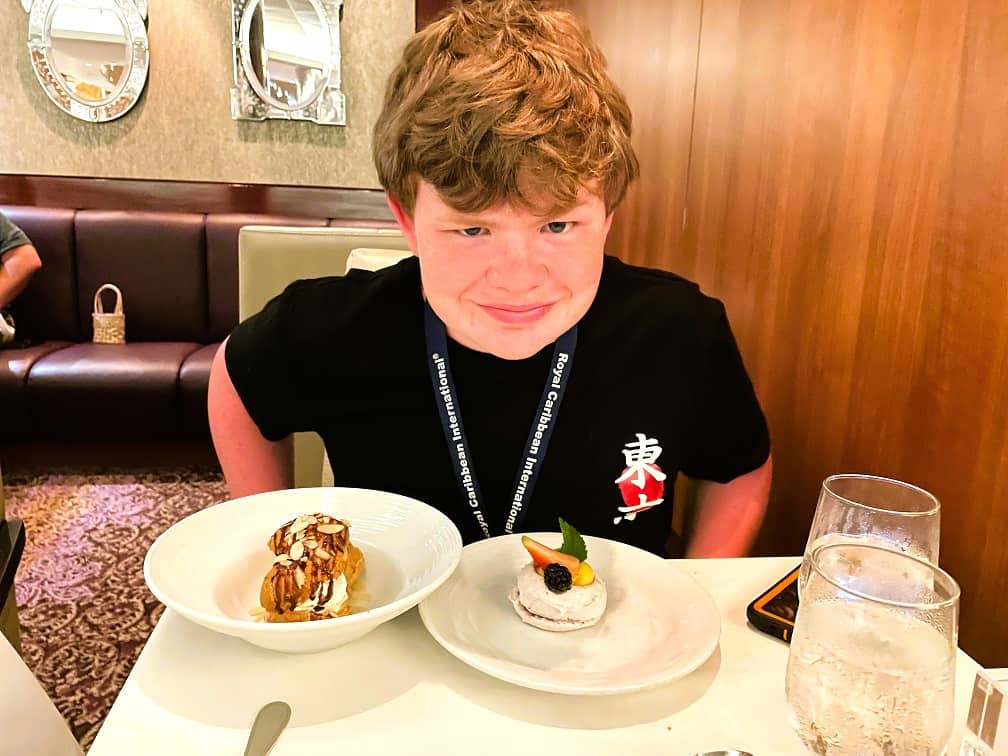
You are not limited to eating three formal meals a day, either. Want a late breakfast after a sea-day sleep-in, a slice of pizza at 4 p.m., then a full dinner at 8? That is usually part of the deal. Cruise food is designed around the fact that people eat on different schedules, particularly when port days, excursions, and time changes get involved.
Still, “included” doesn’t always mean it’s available around the clock. The buffet may close between meal periods, and certain casual venues may operate only for a few hours each day. Check the cruise line app or daily planner once onboard so you don’t end up paying for a snack because the free options have closed.
Where You Can Usually Eat For Free
The main dining room is the sit-down restaurant included with most fares. You’ll find multi-course dinners, rotating menus, table service, and often breakfast or lunch on sea days. The atmosphere is more polished than the buffet, but you do not need to dress like you are heading to a wedding. Smart casual clothing is normally enough on most nights.

Buffets are the workhorse of cruise dining. They are convenient before an early excursion, ideal when everyone in your group wants something different, and useful for grabbing a quick meal without waiting for service. The quality varies by cruise line and ship, but buffets are no longer limited to tired pasta and mystery casserole. Expect made-to-order stations, international dishes, salads, grilled items, desserts, and breakfast favorites.
Many ships also include a few casual specialty-style options. Depending on the line, that could mean a pizza counter, deli, taco bar, pub-style food, poolside grill, or coffee shop with a limited selection of free pastries and basic coffee. These venues can be a smart alternative to the buffet, especially on busy embarkation day.
What Often Costs Extra On A Cruise
The biggest surprise for first-time cruisers is specialty dining. These are the upgraded restaurants: steakhouses, sushi bars, seafood restaurants, Italian venues, chef’s-table experiences, and teppanyaki grills. They typically charge a flat cover fee or price dishes individually.

Specialty dining can be genuinely worthwhile when it offers a memorable meal for far less than a similar restaurant at home. But it is optional, not required, to enjoy good food onboard. The main dining room menus are built to provide a complete dinner experience, and most travelers can eat very well without paying for a single upgraded restaurant.
Drinks are another major extra. Tap water, basic coffee, tea, and sometimes select juices at breakfast are generally included. Specialty coffee, bottled water, soda, cocktails, wine, beer, smoothies, and fresh-squeezed juice are usually not included. A drink package can be convenient, but do the math before buying one. If you are spending full days in port or only have one drink with dinner, paying as you go may be much cheaper.
Room service is a mixed bag. Some cruise lines offer complimentary room service menus, while others charge a delivery fee or price every item. Late-night room service may also carry a charge even when daytime orders don’t. Read the menu instead of assuming your cabin breakfast is covered.
You may also encounter charges for premium desserts, gelato, upscale bakery items, packaged snacks, or food at branded restaurants. These small purchases are easy to overlook because they feel minor in the moment. Over a week, though, they can become the kind of onboard bill that makes a cheap cruise less cheap.
The Cruise Line Matters More Than People Think When It Comes To Do Cruises Include All Meals
Not all cruise fares work the same way. Mainstream lines tend to include a broad range of everyday dining while charging for specialty restaurants and most beverages. Premium and luxury lines may include more dining venues, gratuities, drinks, or even specialty meals in the initial price.
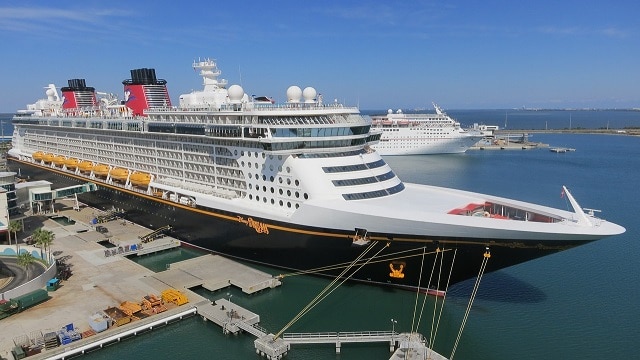
That does not automatically make a higher-end cruise the better bargain. Compare the total cost for the way you actually travel. If you are happy with buffet lunches, included dinners, and a few cocktails over a week, a mainstream fare may be the best value. If you prefer wine with dinner, espresso every morning, restaurant-quality dining, and fewer add-on calculations, an inclusive fare can make sense.
Also watch for promotional wording. “Free specialty dining” may mean one meal per guest, a limited dining package, or a credit that does not cover every menu item. “Free drinks” may exclude gratuities or apply only during certain hours. The deal can still be good, but the fine print determines whether cruise budgets win or lose.
How To Eat Well Without Overspending
Treat specialty dining as an intentional splurge rather than an automatic part of the cruise. Book one dinner for a birthday, anniversary, or sea day if the menu excites you. Otherwise, try the included venues first. You may find a favorite main dining room dish or casual lunch spot that makes the upgrade unnecessary.

Use port days strategically. Specialty restaurants sometimes offer lower-priced lunches or reduced cover charges when many guests are ashore. The first night can also bring booking deals because some passengers are still unpacking or dining off the ship. Ask onboard rather than assuming the advertised price is the only price.
If you have dietary needs, let the cruise line know before sailing and speak to the dining team once onboard. Most major lines can accommodate vegetarian, vegan, gluten-free, dairy-free, allergy-aware, kosher, and other dietary requests with advance notice. You should still ask questions and advocate for yourself, particularly with serious allergies, but cruising can be easier than hunting for safe restaurants in an unfamiliar destination every day.
On excursion days, grab an included breakfast before leaving the ship and, if your cruise line allows it, carry a permitted snack. You will still want to sample local food in port; that is part of the travel experience, but you don’t need to buy an expensive tourist-area breakfast just because you left the ship early.
A Few Practical Dining Realities
Included meals are not unlimited in every sense. Some lines limit how many entrees you can order in the main dining room before they charge you, especially for premium items like lobster. Others may charge for select menu upgrades while offering the rest of the menu at no extra cost. It is rarely a deal-breaker, but it is worth knowing before ordering three mains, assuming everything is covered.
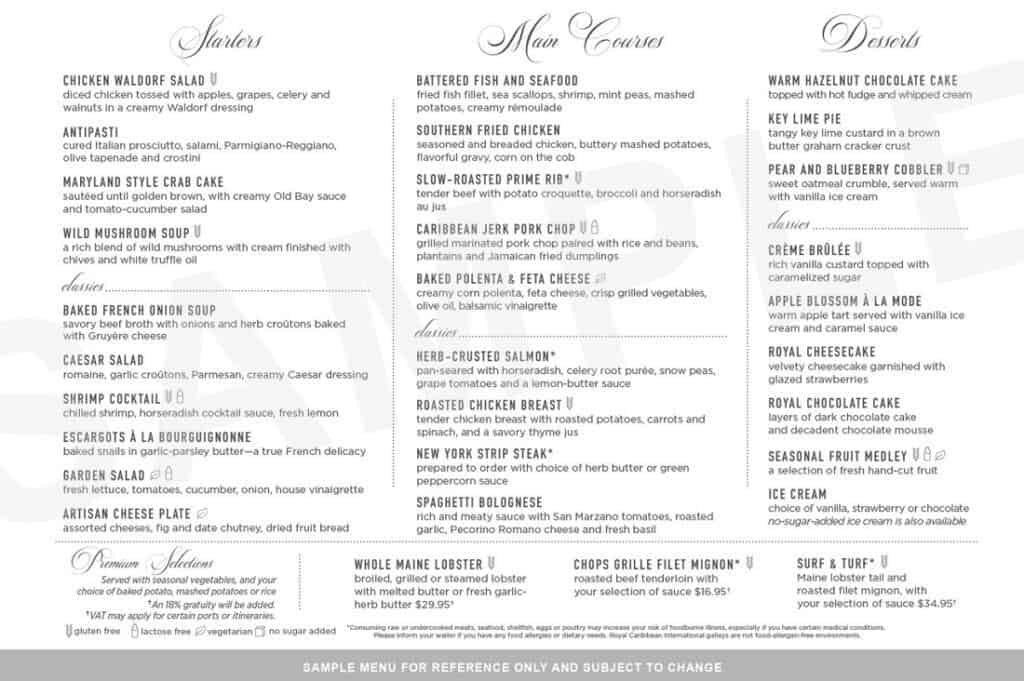
Dining times matter, too. Traditional dining gives you an assigned early or late seating and often the same table each night. Flexible dining lets you request a time, much like a land-based restaurant. Flexible sounds easier, but popular time slots can mean waits. If eating early helps you catch a show or an evening in port, reserve it as soon as bookings open.
Finally, remember that cruise dining is part of the fare, but gratuities may not be. Many lines add daily service charges to your onboard account. Those charges support dining, housekeeping, and other crew members, so include them in your true trip cost from the start.
A cruise is one of the few vacations where you can watch the coastline slide past your window, try something new for dinner, and have no grocery list waiting for you. Make the included food work for your budget, save paid dining for moments that genuinely add to the trip, and put the difference toward an excursion, an extra travel day, or your next adventure.
Looking For More?
- 11 Best Budget Cruises for Adults
- 20 Ways To Save Money On Your First Cruise
- 6 Practical Reasons To Choose An Inside Cruise Cabin
- 7 Best Ways To See Behind The Scenes On A Cruise Ship
- 75 Plus Free Activities On The Oasis Of The Seas – Amplified
- All Access Ship Tour – Behind The Scenes Of A Cruise Ship
- Atlas Ocean Voyages: A Guide to Luxury Expedition Cruises
- CocoCay – The Perfect Day On Royal Caribbean’s Private Island
- Essential Travel for Cruises
- How to Find Affordable Cruise Excursions
- Oasis of The Seas – The Amplified Version
- Vacation On A Cruise & Why It’s For Everyone!
Brit On The Move™ Travel Resources
Ready to book your next trip? Use these resources that work:
Was the flight canceled or delayed? Find out if you are eligible for compensation with AirHelp.
- Hotels: Find the best prices; use Booking.com
- Apartment Rentals: Find the best prices on apartment rentals with Booking.com’s Apartment Finder.
- Travel Insurance: Don’t leave home without it. View our suggestions to help you decide which travel insurance is for you: Travel Insurance Guide.
- Credit Cards: Check out our recommendations for Travel Credit Cards.
- Volunteer Vacation or a Working Holiday? Check out the complete guide here!
- Rental Cars: Find the best deals here!