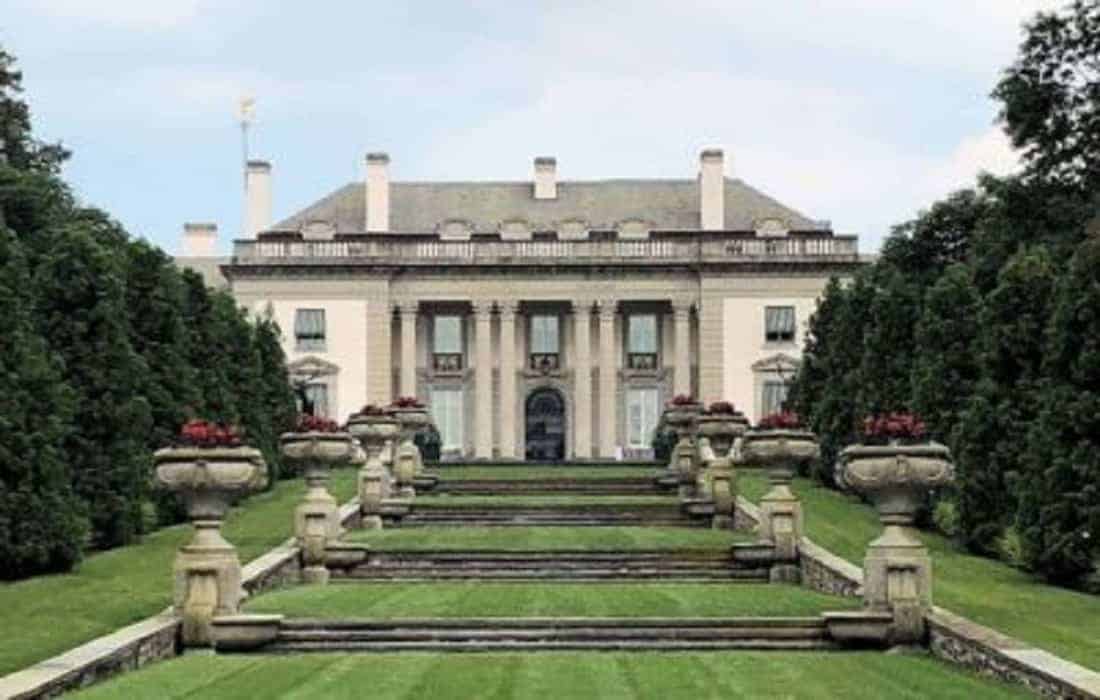
The Nemours Estate, Delaware – A Majestic French Inspired Guilded Age Estate
Delaware’s Nemours Estate is a vibrant and historically rich alternative to what most people flock to Delaware for – the beaches. Beaches are everywhere, and while Delaware has some great beaches to offer, there’s more to Delaware than the beaches.
I will admit you won’t find many options for Delaware. I asked loads of locals for recommendations and got three: The beach, Bombay Hook, and The United States Naval Academy, which, while close, is in Maryland. Delaware is a small state, after all. The second smallest state, to be exact, following the tiny but beautiful Rhode Island.
Lucky for us, I uncovered an unusual find. And I’m proud to say this place advertises that it’s listed in Atlas Obscura—a resource known to travel enthusiasts for highlighting unique things to do worldwide.
This post may contain affiliate links. Please read our disclosure and privacy policy for more information.
Without further ado, let me introduce you to The Nemours Estate in Wilmington, Delaware:
The Nemours Estate
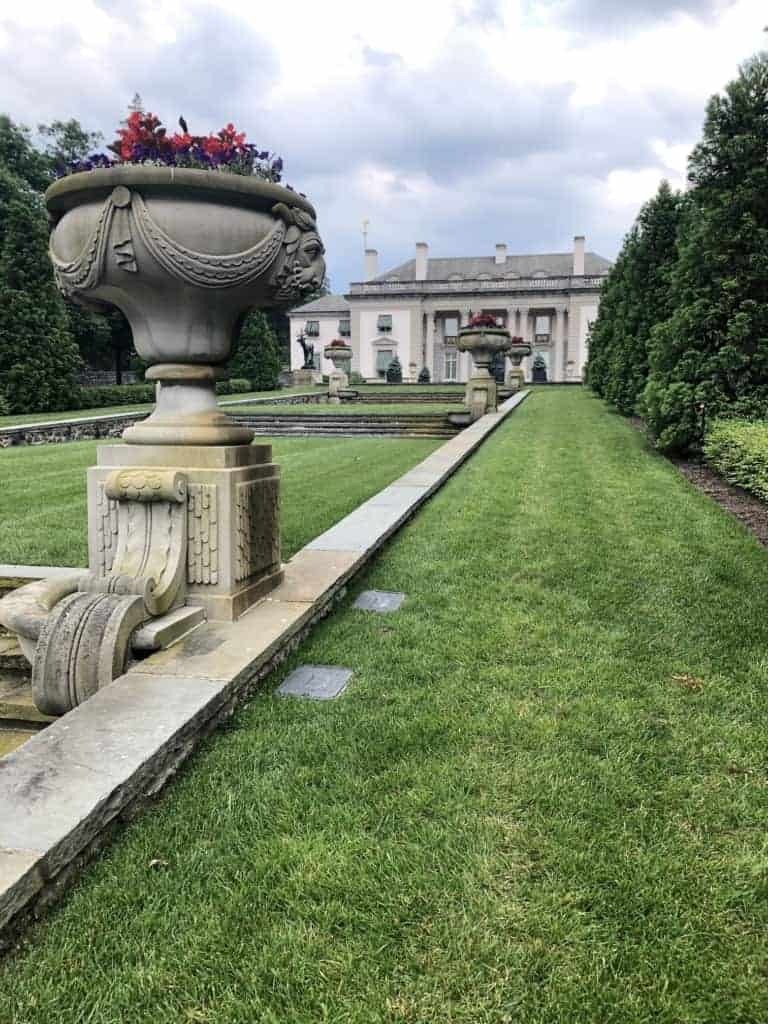
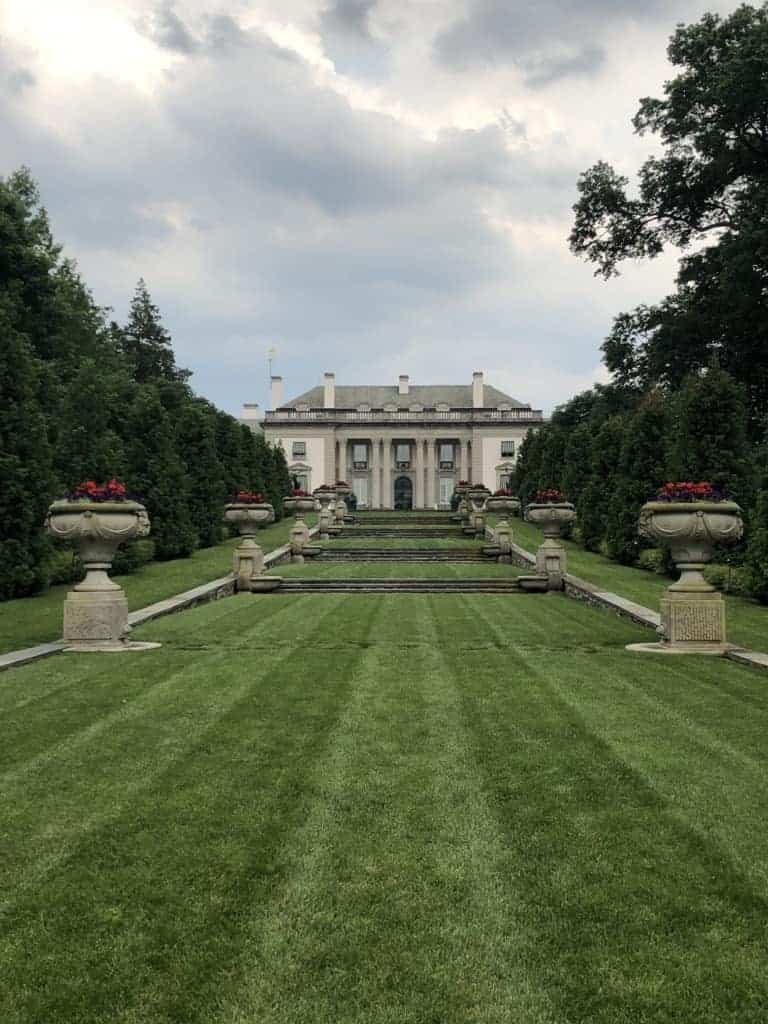
It was built in 1909 by Alfred I. Du Pont gave his second wife, Alicia, a gift with no expense spared. Alfred loved to shower Alicia with gifts, and the Nemours Estate is his most elaborate gift. Nemours is a colossal 47,000 square feet.
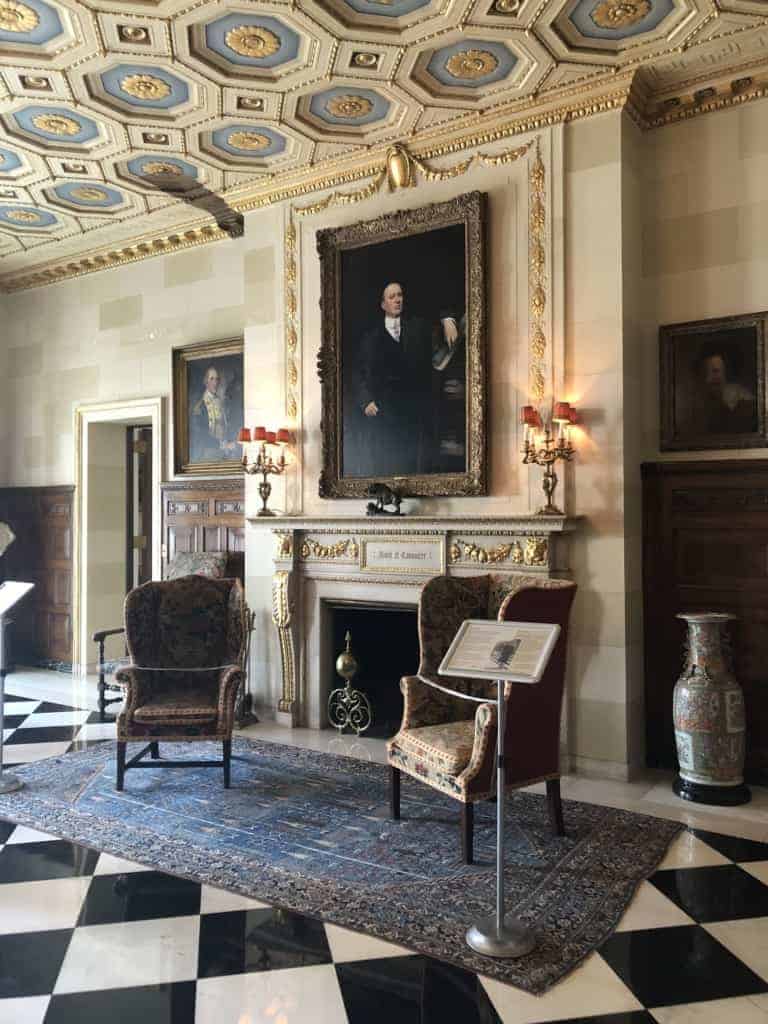
Designed by Carrere and Hastings of New York City, it was built between 1909 and 1910 by Smyth and Son of Wilmington, Delaware. The Mansion resembles a Louis XVI French château inside and out. The name “Nemours” is a French town that Alfred’s great-great-grandfather represented in the French Estates-General. History states that he looked into past ancestry for inspiration, with French elements and modern technology.
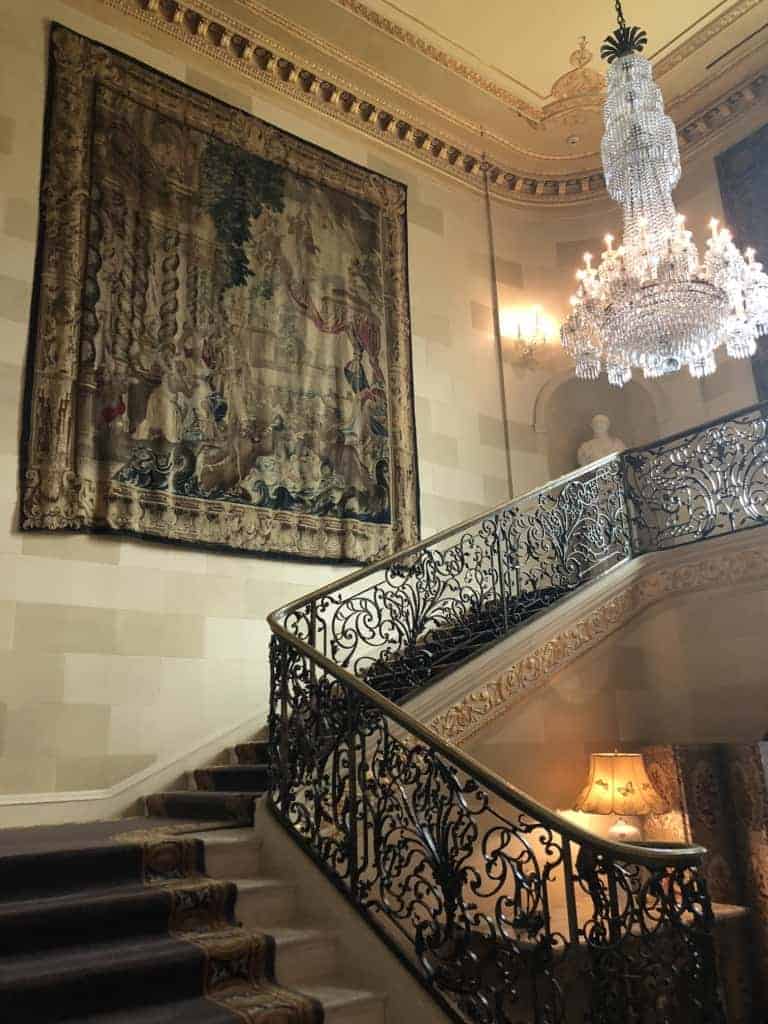
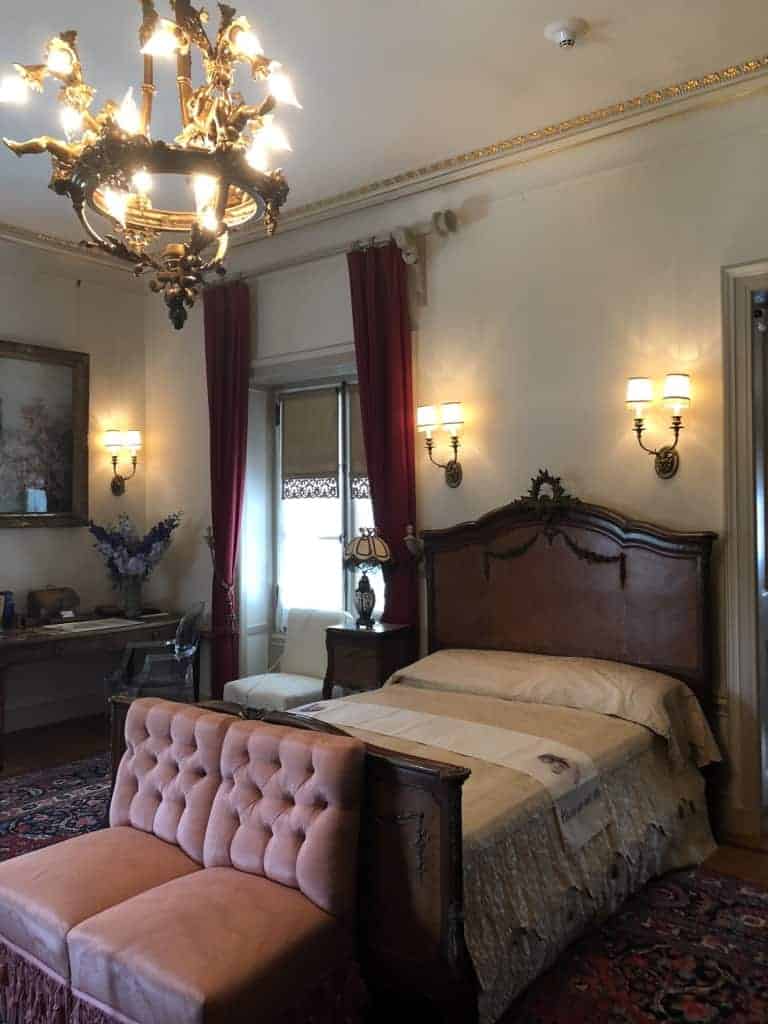
There are 102 rooms, all furnished and full of the classic over-the-top decorations fashionable of the period—antiques, rugs, tapestries, and paintings dating back to the 15th century adorn the Mansion.
Once on-site, let your imagination carry you away on a journey through history. You can tour the house and gardens on your own, and photography is allowed!
I can’t say this is an entire day unless you plan to explore the gardens. The Estate sits on 300 acres, of which 10 are formal gardens. Plan half a day here and see how the other side lived back in the day!
10 Unusual And Interesting Facts About Nemours Estate:
- It was built as a gift to impress a wife. Industrialist Alfred I. du Pont built Nemours in 1909–1910 as a romantic gift for his second wife, Alicia Bradford du Pont. The estate was designed to resemble the grandeur of French royal country estates.
- Nemours was inspired by Versailles Gardens. The formal gardens were modeled after the Gardens of Versailles. They feature long axial views, geometric parterres, and fountains aligned along a central axis, a rare feature in American estates.
- It is one of the largest formal French gardens in North America. Nemours has 300 acres, including the largest formal French-style gardens in North America.
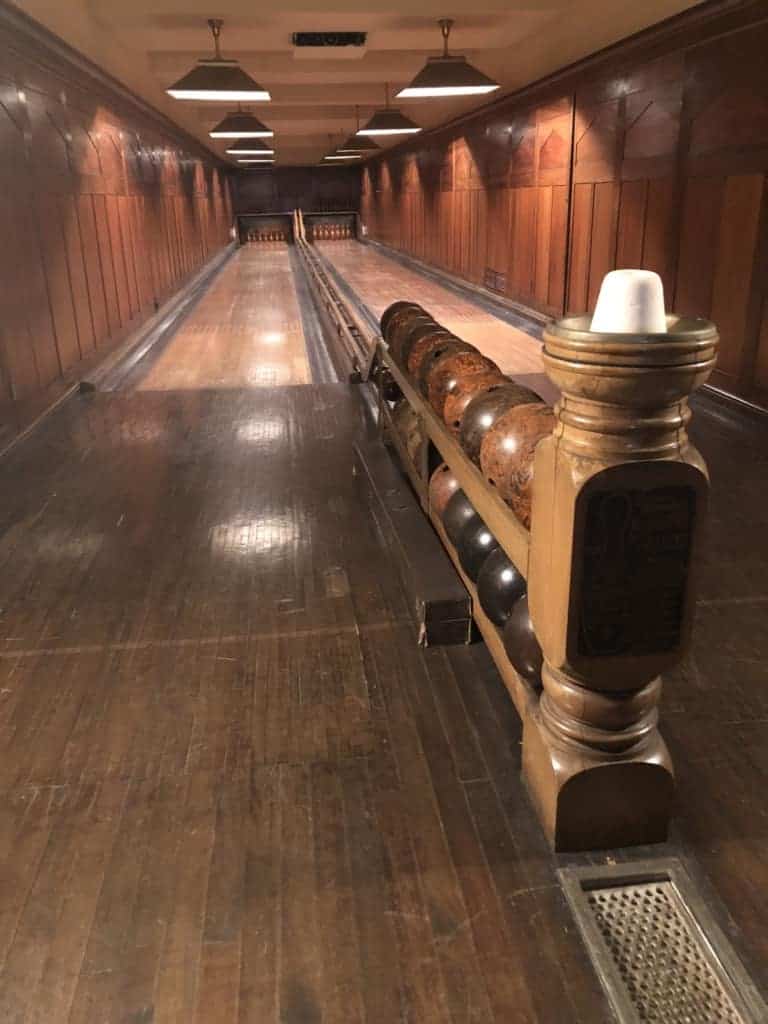
- The mansion has 102 rooms. The main house contains 105 rooms, including guest suites, ballrooms, libraries, and a bowling alley.
- The estate boasts a chauffeur’s garage bigger than many houses. The estate includes a massive chauffeur’s garage complex built to hold the early 20th-century luxury cars owned by the du Pont family. It also had mechanic workshops and chauffeur quarters.
- Nemours has a secret underground passage. Nemours has service tunnels and underground passages used by staff to move around the estate without disturbing guests.
- There is a hidden mechanical world beneath the mansion. Below the house is a large mechanical basement with early electric power, refrigeration, and heating systems—very advanced for 1910.
- The reflecting pool is nearly a football field long. One of the estate’s signature features is a 157-foot reflecting pool, designed to mirror the mansion façade.
- The Estate was named after a French town. “Nemours” comes from the French town of Nemours, once associated with the du Pont family’s ancestors before they immigrated to America.
- Nemours is Owned by a Children’s Hospital Foundation. Today, the estate is preserved and operated by the Nemours Foundation, which also runs the well-known Nemours Children’s Health.
Nemours was considered more European than most American estates because Alfred du Pont wanted visitors to feel like they had stepped into a French royal residence rather than a Delaware mansion.
Tours of The Nemours Estate
When you visit Nemours Estate, you will take a self-guided tour. Trained interpretive staff members are located in Nemours Mansion and the Chauffeur’s Garage to orient visitors, share information, and answer questions; informational and way-finding signs and maps to the gardens and grounds are available at the Visitor Center and throughout the property.
77 Rooms Open for You To Explore
10 Acres Of Formal French Gardens
Mr. DuPont’s many trips to Europe influenced the design of the gardens. The gardens are extensive, beautifully landscaped, and include a working carillon tower similar to Bok Tower Gardens’ famous one.
French sculptor Prosper Lecourtier a specialist in animal figures designed the two elk at the top of the vista. French-born American sculptor Henri Grenier created the one-acre reflecting pool, which holds 157 jets and is the garden’s masterpiece, although it is not the only water feature.
There is also a maze garden, sunken gardens, and the temple of love.
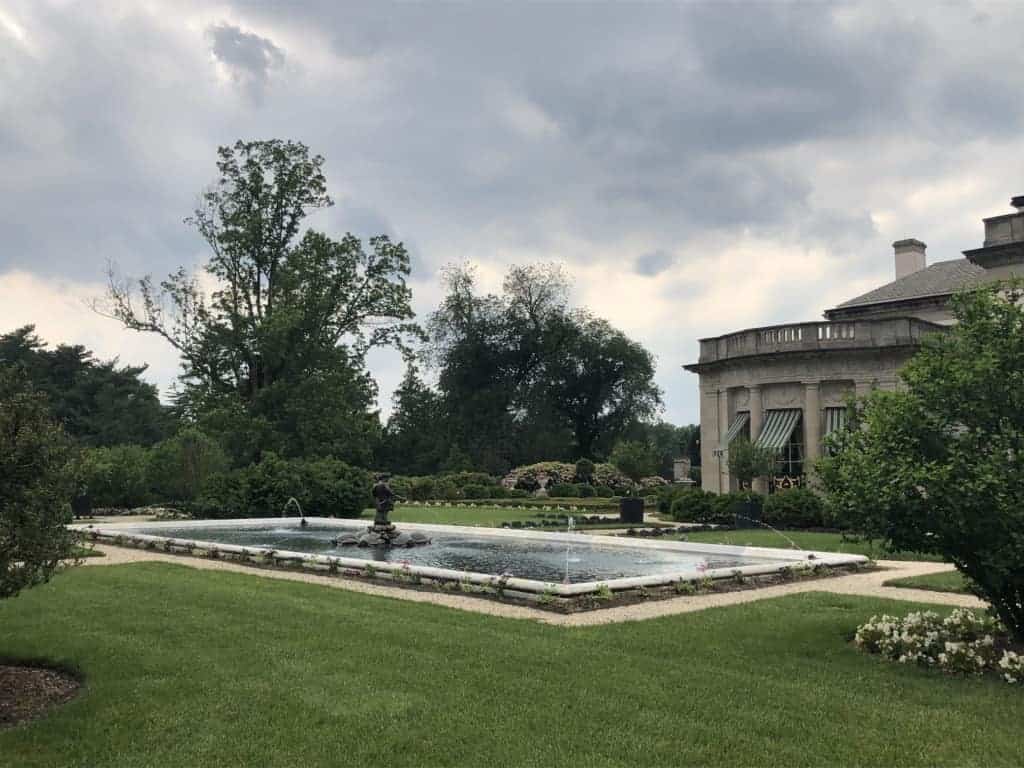
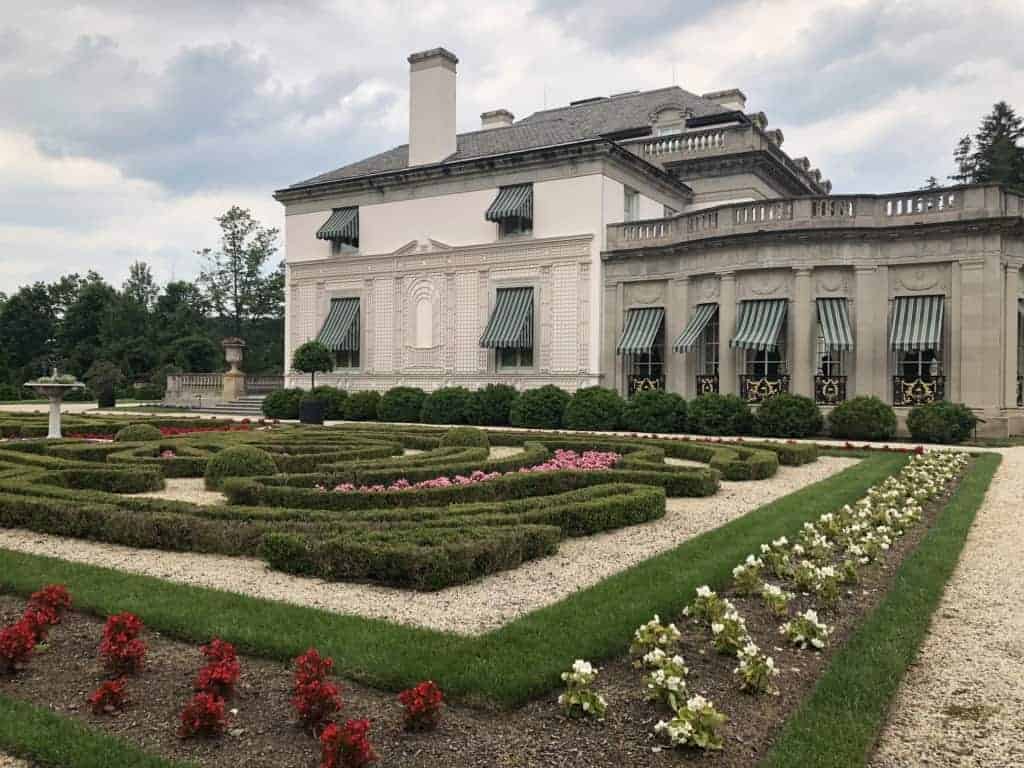
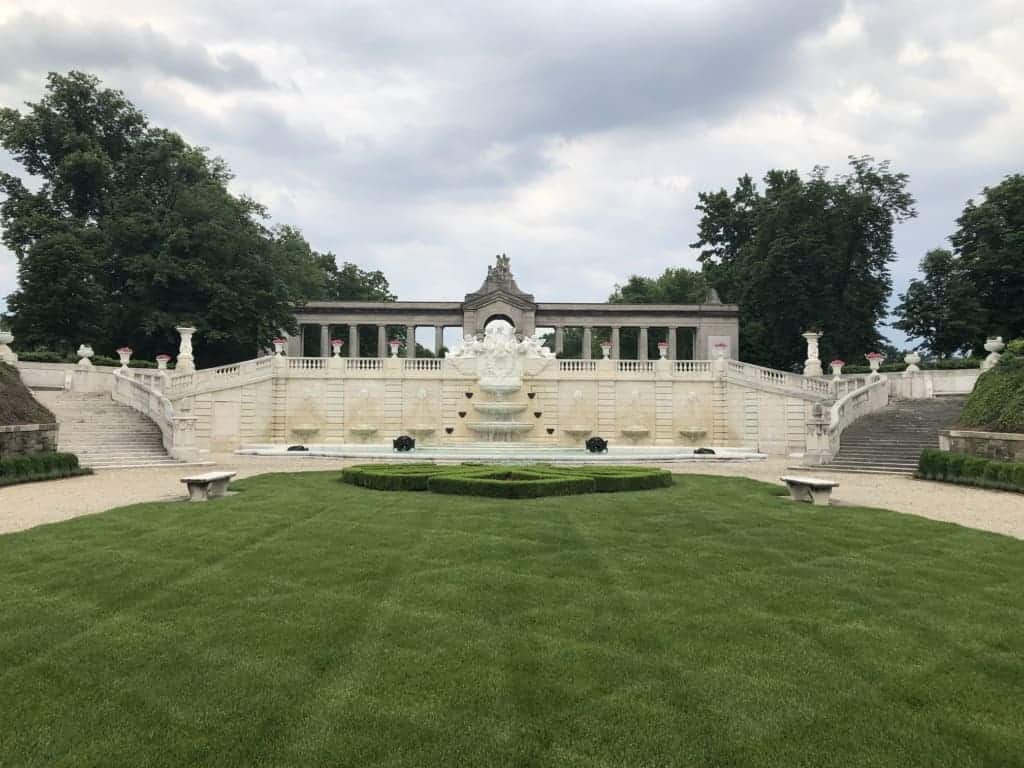

The formal gardens at Nemours Estate in Wilmington, Delaware, are among the largest and most elaborate French-style gardens in North America. Designed in the early 1900s, they were inspired by the grand European estates of the 17th–18th centuries. Here are 10 unusual and fascinating facts about them:
- They were modeled after Versailles. The gardens were inspired by the famous grounds of the Palace of Versailles in France. The design uses classic French axial symmetry, meaning everything lines up along long, straight visual corridors.
- They are one of the largest formal French Gardens in North America. The formal gardens cover over 200 acres, making them among the largest French-style gardens in the United States.
- The Estate was built for just one man. The gardens were created by Alfred I. du Pont between 1909 and 1910 as part of his personal estate — essentially a massive private backyard.
- The garden layout is perfectly geometric. Every pathway, hedge, and fountain was designed to form precise geometric shapes when viewed from the mansion terrace — a hallmark of classic French garden design.
- More than 150,000 plants are used seasonally. The gardens are replanted with tens of thousands of flowers each year, creating changing color displays across the parterres.
- The gardens have a hidden underground infrastructure. Beneath the gardens is an early underground irrigation and drainage system that was extremely advanced for the early 1900s.
- The reflecting pool is almost 500 feet long. The long central reflecting pool stretches about 450 feet, creating a dramatic mirror view of the mansion and sky.
- The marble statues were imported from Europe. Many statues and sculptures were brought directly from Italy and France, reinforcing the authentic European style.
- The maze garden was designed to feel private. One section of the grounds features a formal hedge maze, offering visitors a playful yet historically accurate garden feature.
- The gardens were designed for horse carriages. The broad curved driveways and garden approaches were planned so that horse-drawn carriages could glide through the landscape in dramatic fashion.

When it was built, the estate featured one of the most expensive private landscape designs in the United States, rivaling those of Newport, Rhode Island, and Long Island.
What You Need To Know
- Address: 850 Alapocas Drive, Wilmington, DE 19803.
- Phone: (302) 651-6912.
- It costs $18 to enter.
- The Estate is not open on Mondays.
- The mission is far away (~ one mile) from where you park. You can take a shuttle bus or walk. If you choose to walk, make sure you have the right shoes!
Closing Thoughts:
I am still shocked that this place is largely unknown and gets little press. I’ve visited numerous estates here in America and hundreds in Europe.
Nemours can hold their own. The house does not rival The Breakers or The Biltmore. But the gardens at Nemours shame the mansions of Rhode Island.
If you enjoy history and appreciate art or anything French, you will certainly enjoy this place. It might not be on everyone’s list of places to fly to, but it should be on your list if you visit Maryland or Delaware!
Looking for more posts on historical homes here:
- Castle Howard – Yorkshire’s Brideshead Revisited
- Everything You Need To Know About Visiting The Biltmore Estate
- Inside Hohenschwangau Castle – The Mad King’s Childhood Home
- Inside Neuschwanstein Castle – Germany’s Fairytale Castle
- Linderhof Palace – King Ludwig’s Country Retreat
- The Howey Mansion – Howey-in-the-Hills, Florida
- The Nemours Estate, Delaware
We participate in the Amazon Services LLC Associates Program, an affiliate advertising program designed to earn fees by linking to Amazon.com and affiliated sites.
Brit On The Move™ Travel Resources
Ready to book your next trip? Use these resources that work:
Was the flight canceled or delayed? Find out if you are eligible for compensation with AirHelp.
- Hotels: Find the best prices; use Booking.com
- Apartment Rentals: Find the best prices on apartment rentals with Booking.com’s Apartment Finder.
- Travel Insurance: Don’t leave home without it. View our suggestions to help you decide which travel insurance is for you: Travel Insurance Guide.
- Credit Cards: Check out our recommendations for Travel Credit Cards.
- Volunteer Vacation or a Working Holiday? Check out the complete guide here!
- Rental Cars: Find the best deals here!
My ancestors came over from France in the early 1800’s to work in the Powder Mill. They lived near Rockland. With all the DuPonts here, you would expect the properties to all be in the condition of Nemours but they aren’t. Nemours is the most beautifully maintained. He is buried at the bell tower, and I thank him every time I drive past..
Hi Teri,
Yes, you would think the DuPont influence would dominate architecture in Delaware. It is a stunning house and sadly for us, we had not heard of it before the 2nd trip to Delaware. I had read he was buried in the bell tower and I just laughed at the thought of you waving as you pass:) Nikki
Delaware resident here:. I’m incredibly proud to say that my father-in-law is actually responsible for the restoration of the gardens!! He traveled to Versailles to study the design, flora, aesthetic, etc. because that is what the original gardens were based on. They turned out beautifully and I’m so glad you enjoyed them!
Hi Mitzi,
Wow, how cool is this! And, to think that he went to Versailles to understand the design:) What’s his name – I would love to include him and give him credit for such a wonderful job! It makes sense now because you can see the French resemblance in the gardens… Thank you for sharing – Nikki