A Realistic Solo Cruise on a Budget Plan
A solo cruise on a budget is absolutely possible, but it requires a different strategy than booking a cheap cabin for two. The headline fare can look like a steal until you see the single supplement, prepaid gratuities, Wi-Fi, drinks, shore excursions, and the tempting extras waiting once you board. The good news is that cruising can still be one of the easiest ways to see several places without paying for separate hotels, transfers, and meals every day.
The trick is to treat the cruise fare as one part of the trip cost, not the whole story. A little flexibility and a willingness to skip the flashy add-ons can turn a solo sailing into a genuinely good-value escape.

This post may contain affiliate links. Please read our disclosure and privacy policy for more information.
Start Your Solo Cruise on a Budget With the Right Fare
The cheapest advertised cruise is not always the lowest-priced trip. For solo travelers, the biggest issue is usually the single supplement. Most standard cruise cabins are priced for two people. When one person books, the line may charge close to double the per-person fare because that second berth remains empty.
That does not mean every solo traveler pays double. Some cruise lines have dedicated studio cabins designed for one person, often with access to a solo lounge or hosted meetups. These cabins are small, but if you spend your days in ports, at shows, or reading on deck, that trade-off can make perfect sense. Other lines periodically discount or remove the single supplement on selected sailings.
When comparing options, look at the total price per guest, including taxes and port fees. Then compare that number against a regular interior cabin. A studio is not automatically the better deal. On some routes, a standard interior cabin with a reduced supplement costs about the same and offers more space.
Be Flexible With Dates and Departure Ports
Shoulder-season sailings are usually the sweet spot. Think early December before holiday travel, January after New Year’s, late April or early May, and fall dates outside school breaks. Prices vary by itinerary, but cruising when families are less likely to travel often means lower fares and more availability.
Departure port matters just as much as the ship. A seven-night cruise may be cheap, but not if flights and a hotel night add hundreds of dollars. For US travelers, driving or taking a low-cost flight to ports such as Miami, Fort Lauderdale, Port Canaveral, Galveston, New Orleans, Los Angeles, or Seattle can dramatically improve the math. If flying, arrive at least one day before embarkation. Missing a ship because of a delayed same-day flight is not a budget mistake you want to make.

Watch For Repositioning And Shorter Sailings
Repositioning cruises can offer impressive per-night value because the ship is moving between regions for the season. You might find a longer voyage that crosses the Atlantic, travels through the Panama Canal, or shifts between Alaska and the West Coast for less per day than a standard weeklong itinerary.
There is a catch: these cruises often have more sea days and may require one-way flights. They work best for travelers with flexible schedules who enjoy the ship itself. If your goal is maximum time in ports, a three-, four-, or five-night sailing can be the smarter first solo cruise. It lets you test whether you enjoy the experience without committing your entire vacation budget.
Know What the Cruise Fare Actually Covers
Cruises sell convenience, and convenience is where onboard spending can get out of hand. Your base fare generally includes your cabin, most meals, entertainment, and transportation between ports. It often does not include gratuities, alcoholic drinks, specialty coffee, Wi-Fi, specialty dining, excursions, transportation to the port, or travel insurance.
Before booking, add the non-negotiables. Daily gratuities can add up to a meaningful amount on a weeklong trip. If you need internet for work, family, or peace of mind, price the package before you commit. The same goes for beverages. A drinks package only makes financial sense if you will use it consistently, and many lines require everyone in the same cabin to purchase it. As a solo traveler, that can be more straightforward than for couples, but it is still easy to overestimate how much you will drink.
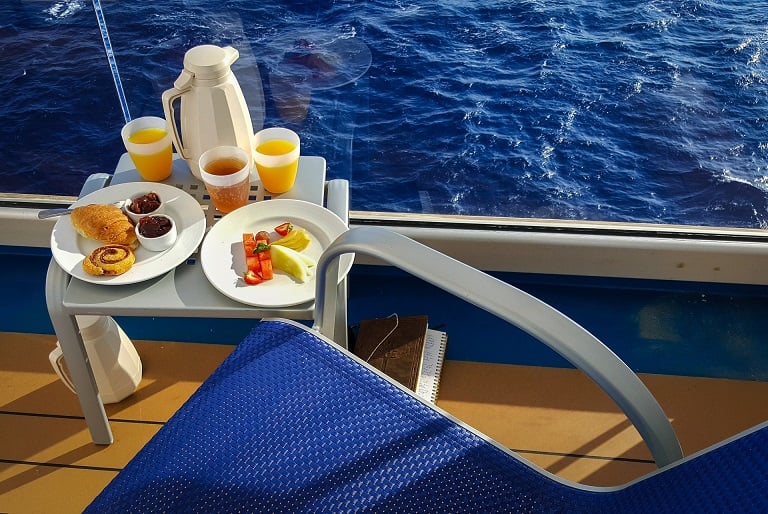
An interior cabin is usually the easiest place to save. Yes, a balcony is lovely. But for a budget-conscious solo trip, paying hundreds more for private outdoor space may not be worth it when the ship has plenty of public decks. Put that money toward an extra hotel night, a memorable excursion, or simply your next trip.
Cut Onboard Costs Without Making the Trip Feel Cheap
You do not need to deny yourself every treat to avoid a nasty final bill. You just need to choose your splurges before boarding rather than reacting to every offer once you are on vacation.
The main dining room, buffet, poolside food, included shows, trivia, deck parties, fitness center, and many daytime activities are already part of your fare. Use them. Specialty restaurants can be excellent, but reserve one for a specific occasion instead of treating them as your default dinner plan.
Bring a reusable water bottle if the cruise line allows it, and fill it at designated stations. Pack sunscreen, basic medications, a lanyard for your key card, and any small essentials you normally buy at convenience-store prices. Ship shops are convenient, not economical.
It also helps to set a daily spending cap for yourself. Maybe that is one barista coffee each morning, one paid cocktail at sunset, or a fixed amount for souvenirs. The point is not to make vacation feel like homework. It is to ensure that a few small purchases do not quietly add up to a few hundred dollars.
Save Money in Port by Going Independent Selectively
Cruise-line shore excursions are easy, well-organized, and often the right choice for complicated or far-flung activities. If a tour involves a long drive, a ferry, a tight timeline, or an experience you would hate to miss, booking through the ship can be worth the higher price. The ship is responsible for getting its own excursion guests back before departure.
For walkable ports, though, independent exploration is often more rewarding and far less expensive. Research whether you can walk from the terminal to a beach, historic district, local market, trail, museum, or public transit stop. Many port days are perfect for a self-guided food crawl, a scenic hike, or a simple beach afternoon.
Avoid booking an excursion just because everyone else is doing one. A cruise port is not a test of how much activity you can cram into eight hours. Pick one or two ports for paid experiences that genuinely matter to you, then keep the rest simple. That balance makes room in the budget for something unforgettable when it counts.

Use Loyalty Points and Price Drops Carefully
Cruises can be booked with cash, travel credits, or, in some cases, points through a credit card travel portal. Points can be useful, particularly for flights, pre-cruise hotels, or statement credits that reduce your trip costs. But do not assume redeeming points through a portal is automatically the best value. You may lose access to a cruise line promotion, onboard credit, or a price adjustment option.
After booking, keep an eye on the fare. Some cruise lines will honor a lower price before final payment, while others may offer onboard credit or an upgrade instead. Policies vary by line and fare type, so read the rules before booking a nonrefundable deal.
Travel insurance deserves a place in the budget, too. At a minimum, understand what your health insurance covers outside your home area and what happens if you need evacuation from a ship or a remote port. The cheapest trip can quickly become expensive if a single disruption leaves you paying out of pocket.
Solo Does Not Have to Mean Alone
One underrated value of a solo cruise is the built-in social life. You can join a hosted solo meetup, sit at a shared table, take part in a group activity, or make friends on an excursion. You can also spend an entire sea day with a book and no one asking where you want to eat. That freedom is part of what makes cruising work so well for independent travelers.
If meeting people matters to you, choose a ship with organized solo programming rather than assuming it will happen naturally. If solitude matters more, prioritize itinerary, price, and cabin value over a dedicated solo lounge. There is no universal best cruise line or best cabin. There is only one option that fits how you actually like to travel.
A well-planned solo cruise should leave you with more than photos of ports you barely remember. Choose a fare you can comfortably afford, protect your budget from the extras that do not matter to you, and save your spending for the moments that make you feel gloriously far from routine.
Looking For More?
- 11 Best Budget Cruises for Adults
- 20 Ways To Save Money On Your First Cruise
- 6 Practical Reasons To Choose An Inside Cruise Cabin
- 7 Best Ways To See Behind The Scenes On A Cruise Ship
- 75 Plus Free Activities On The Oasis Of The Seas – Amplified
- All Access Ship Tour – Behind The Scenes Of A Cruise Ship
- Atlas Ocean Voyages: A Guide to Luxury Expedition Cruises
- CocoCay – The Perfect Day On Royal Caribbean’s Private Island
- Essential Travel for Cruises
- Oasis of The Seas – The Amplified Version
- Vacation On A Cruise & Why It’s For Everyone!
Brit On The Move™ Travel Resources
Ready to book your next trip? Use these resources that work:
Was the flight canceled or delayed? Find out if you are eligible for compensation with AirHelp.
- Hotels: Find the best prices; use Booking.com
- Apartment Rentals: Find the best prices on apartment rentals with Booking.com’s Apartment Finder.
- Travel Insurance: Don’t leave home without it. View our suggestions to help you decide which travel insurance is for you: Travel Insurance Guide.
- Credit Cards: Check out our recommendations for Travel Credit Cards.
- Volunteer Vacation or a Working Holiday? Check out the complete guide here!
- Rental Cars: Find the best deals here!