Travel Inflation: Navigate Soaring Prices and Still Enjoy Exceptional Journeys
That weekend escape you priced last winter may now cost the same as a longer trip abroad did a few years ago. Flights are jumpier, hotel rates can feel out of touch, and a simple airport sandwich has become its own budget category. Travel inflation is real, but it does not mean you need to put your passport away or turn every vacation into a spreadsheet exercise.

This post may contain affiliate links. Please read our disclosure and privacy policy for more information.
The better response is to get more deliberate. Travelers who continue to take meaningful trips are not necessarily earning more or chasing every credit card bonus. They are making sharper decisions about timing, destinations, transportation, and what is actually worth paying extra for.
What Travel Inflation Is Actually Doing to Your Budget
Travel costs do not rise evenly. A flight to one city can be surprisingly affordable while the hotel costs more than the airfare. Rental cars may be reasonable in one state and wildly expensive two hours away. In popular destinations, the biggest pressure often lands on the parts of a trip you cannot easily skip: lodging, meals, attraction tickets, and local transportation.
That is why the old advice to simply “book early” is incomplete. Booking early can help, especially for holiday weekends, cruises, major events, and limited inventory accommodations. But it will not solve a trip built around a destination at peak demand with inflexible dates. A late-June beach week, a fall foliage weekend, or a Christmas market itinerary comes with a premium because everyone else wants the same thing.
The useful question is not, “How can I make this trip cheap?” It is, “Which part of this trip is driving the cost, and what can I change without ruining the experience?” Sometimes the answer is one less hotel night. Sometimes it is flying on Tuesday rather than Friday. Sometimes it is skipping the famous downtown hotel for a character-filled stay in a nearby neighborhood with transit access.

Beat Travel Inflation by Changing the Right Variable
If your travel budget has stopped going as far as it used to, resist the temptation to cut everything equally. Slashing every meal, every activity, and every comfort can make a hard-earned vacation feel like a punishment. Focus instead on the one or two costs with the most room to move.
Flexibility is more valuable than perfection
A destination is rarely expensive in every month, every week, and every airport combination. Shoulder season remains one of the most reliable ways to travel better for less. Think late April or early May instead of summer for Europe, September instead of August for many U.S. national park areas, or early December rather than holiday week for a city break.
Weather and crowds are the trade-off. You may need a light rain jacket, a backup plan, or a willingness to accept that a beach is less lively outside peak season. For many independent travelers, that is a fair exchange for lower rates and more breathing room.
It also pays to consider the airport before you reconsider the trip. A larger airport may have more competition, but a smaller regional airport can occasionally offer a better route or save you a long drive. Check both, then include parking, gas, tolls, and the value of your time. The cheapest airfare is not always the cheapest journey.
Let The Destination Compete For Your Dollar
Travelers often lock in a destination first, then desperately hunt for bargains. Flip that habit when you can. If you want a long weekend of food, museums, walkable streets, and good coffee, several cities may fit the brief. If your goal is hiking and unusual lodging, you may have a dozen worthy regions instead of one overbooked national park gateway town.
This is where lesser-known destinations shine. A smaller mountain town, a state park cabin, a Great Lakes road trip, or a secondary European city can offer the same core experience you were chasing, often with less crowd pressure and fewer tourist-priced add-ons. It is not about settling. It is about refusing to pay a popularity tax when a more interesting alternative exists.
For road trips, be especially wary of building an itinerary around the most famous stops. Lodging near headline attractions can absorb the money you meant to spend on experiences. Staying 30 to 45 minutes away and arriving early for a hike or scenic drive can make a noticeable difference.

Where to Spend and Where to Save
The most satisfying budget trips have a point of view. Decide what makes this particular trip worth taking, then protect money for that.
If you are visiting a city for its restaurant scene, do not live on granola bars just to say you saved money. Book a hotel with breakfast, carry water and snacks during the day, and choose a few meals that genuinely matter. If you are traveling for a once-in-a-lifetime wildlife excursion, a better guide may be worth more than a slightly fancier room.
On the other hand, some travel spending adds very little to the story. Daily hotel parking fees, resort fees, airport convenience food, overpriced rental car insurance sold at the counter, and tourist-trap attractions can quietly drain a budget. Review the full cost before booking, not just the nightly rate or headline airfare.
Loyalty points can be valuable here, particularly when cash hotel rates spike. But do not use points merely because you have them. Compare the cash price, the points required, and the fees still due at checkout. A points stay is most useful when it replaces a rate you would otherwise reasonably pay, not when it nudges you toward an overpriced property or a location that does not suit your plans.
Credit card travel protections and rewards can help, too, but only if you pay balances in full. Interest quickly wipes out the value of nearly any travel reward. The smartest travel hack is still not carrying expensive debt home from a trip.

Build a Travel Inflation Buffer Before You Book
A realistic trip budget needs a little wiggle room. Prices change, flights get rescheduled, weather reroutes plans, and that charming local place you found may be too good to skip. Build a buffer of roughly 10 to 15 percent for trips with multiple moving parts, especially international itineraries, cruises, and road trips.
That buffer is not permission for random spending. It is what keeps one surprise from turning into a credit card headache. It also gives you room to make better decisions on the road, like taking a rideshare after a delayed arrival instead of forcing yourself onto unfamiliar transit at midnight.
Before booking, price the trip in categories: transportation to and from home, flights or fuel, lodging, food, activities, local transport, tips, travel insurance, and a contingency fund. This sounds basic, but it exposes misleading deals. A cheap flight paired with a $90 airport transfer and a $45-a-day parking fee is not a bargain.
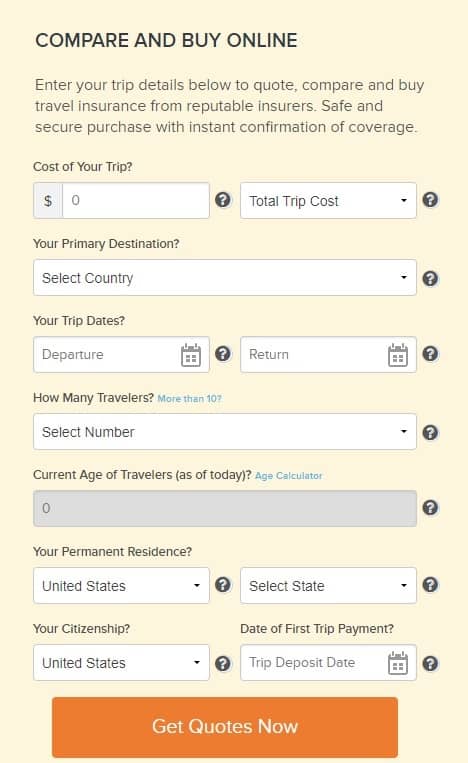
Travel insurance deserves a clear-eyed look, not an automatic yes or no. For a low-cost domestic weekend you could comfortably replace, it may not be necessary. For a costly international trip, nonrefundable tour, cruise, or itinerary involving connections and medical exposure, it can be a sensible layer of protection. Read what is covered and what is excluded before assuming a policy solves every problem.
Skip The Shopping
Compare All Travel Insurance Here
The Habits That Make Trips Affordable More Often
The goal is not to win one cheap vacation. It is to create a travel rhythm you can sustain. Set up a dedicated travel fund, even if the initial contribution is modest. Automate it after payday, direct windfalls into it, and treat it as money for memories rather than money that gets absorbed by daily life.
Then plan farther ahead than feels exciting. You do not need every restaurant reservation six months out, but knowing your likely travel windows gives you time to watch fares, compare routes, and grab a good lodging option with flexible cancellation. It also lets you say no to inflated prices instead of panic-booking because your vacation days are about to expire.
Finally, remember that a valuable trip isn’t measured by how much you spent. A campfire outside a quirky cabin, a solo museum morning, a coastal drive with no agenda, or a small-town festival can stay with you longer than the polished version everyone posts online. Travel inflation may demand more strategy, but it does not get to decide how adventurous your life becomes.
Looking for more Travel Hacks? Start here:
- 20 Best Ways to Earn Lots of Credit Card Rewards Points
- Airline Passenger Rights – The 12 Steps to Handle Flight Cancellations
- How to Pack for Budget Airlines Without Fees
- How Slow Travel Helps You See More
- Multi-City Flights – A Travel Hack You Need to Know!
- Norwegian Airlines Review – 5 Reasons To Use Norwegian Air
- Third-Party Sites Vs. Booking Directly
- Travel with Marijuana – Is It Legal?
Brit On The Move™ Travel Resources
Ready to book your next trip? Use these resources that work:
Was the flight canceled or delayed? Find out if you are eligible for compensation with AirHelp.
- Hotels: Find the best prices; use Booking.com
- Apartment Rentals: Find the best prices on apartment rentals with Booking.com’s Apartment Finder.
- Travel Insurance: Don’t leave home without it. View our suggestions to help you decide which travel insurance is for you: Travel Insurance Guide.
- Credit Cards: Check out our recommendations for Travel Credit Cards.
- Volunteer Vacation or a Working Holiday? Check out the complete guide here!
- Rental Cars: Find the best deals here!