The Ultimate Sunshine State Itinerary: The 5 Best Cities to Visit in Florida
If you ask anyone what the best cities to visit in Florida are, everyone has their own take. After all, Florida has many great cities. Today’s traveler always seeks the perfect escape—a transformative journey that balances cultural depth, rich history, and captivating landscapes without the logistical complexities of an international trip.
With thousands of miles of diverse coastline, vibrant regional microclimates, and unique cultural tapestries, Florida is the ultimate domestic playground for short-term and extended vacations alike. However, to discover the true soul of the Sunshine State, look beyond standard commercial corridors to communities where history, local color, and distinct lifestyles converge. To find the best cities to visit in Florida, look for destinations that offer an authentic sense of place and let travelers step directly into an immersive environment.

This post may contain affiliate links. Please read our disclosure and privacy policy for more information.
A successful holiday hinges on an atmosphere that feels worlds away from daily routine. Whether you crave the architectural romance of an ancient European settlement, the unhurried rhythm of a vintage Gulf Coast enclave, or a refined maritime haven wrapped in Southern Lowcountry elegance, Florida has an answer. By exploring the region’s unique historical narratives, reasons to visit, and curated local itineraries, we break down a definitive guide to the top five locations that earn the undisputed title of Florida’s best cities to visit.
1. St. Augustine: A Journey Into America’s Oldest European Past
When mapping out Florida’s best cities to visit, start at the nation’s historical roots. Founded on September 8, 1565, by Spanish admiral Pedro Menéndez de Avilés, St. Augustine holds the undisputed title of the oldest continuously occupied European-established settlement in the continental United States.
For centuries, it served as the military and administrative heart of Spanish Florida, surviving numerous naval sieges by British privateers and changing hands multiple times between Spain and Great Britain. In the late 19th century, industrialist and Standard Oil co-founder Henry Flagler recognized the city’s potential, transforming the quiet town into an opulent winter playground for the Gilded Age elite by constructing monumental, Moorish-inspired luxury hotels and establishing the Florida East Coast Railway.

Why People Should Visit
Stepping into St. Augustine’s Historic District feels less like arriving in a typical coastal city and more like stepping onto an atmospheric European film set. The city offers an extraordinary aesthetic experience, where towering Spanish Renaissance Revival structures stand shoulder-to-shoulder with humble, centuries-old coquina-walled cottages. Shaded by ancient live oaks draped in Spanish moss, the city’s narrow pedestrian lanes invite slow, deliberate exploration. At night, the warm glow of gas lamps illuminates brick-lined walkways, leading travelers to hidden courtyards, upscale candlelit dining establishments, and sophisticated boutique shops.
What Makes It the Best
St. Augustine stands out because it seamlessly blends deep history with pristine coastal nature. Begin your immersion at the Castillo de San Marcos National Monument, a massive 17th-century fortress constructed from coquina limestone. Walk its formidable gun deck for panoramic views of the Matanzas River. From the fort, enjoy a leisurely stroll down St. George Street, a pedestrian-only thoroughfare packed with colonial-era homes, artisan workshops, and local eateries.
For a taste of Gilded Age extravagance, cross King Street to tour Flagler College, housed in the former Ponce de León Hotel, home to the world’s largest collection of intact, hand-blown Tiffany stained-glass windows. When you are ready for a change of pace, take a short drive across the iconic Bridge of Lions to nearby Anastasia State Park. Here, four miles of pristine, untouched white-sand shoreline offer the ultimate secluded beaches, free of commercial development and backed by rolling sand dunes.
2. Key West: A Walkable Oasis of Tropical Eclecticism
Long before it became a tourist magnet, Key West—originally named Cayo Hueso (Bone Island) by early Spanish explorers—had a dramatic, lucrative maritime history. In the 19th century, the island’s proximity to the treacherous Florida Reef tract made it the epicenter of a booming wrecking and salvaging industry.
Professional marine salvagers monitored the waters for grounded merchant vessels, rescuing crews and harvesting valuable cargo, a trade that briefly made Key West the wealthiest city per capita in the United States. In the 20th century, the island’s isolation and raw beauty began attracting non-conformists, artists, and prominent authors, most notably Ernest Hemingway and Tennessee Williams, who found the uninhibited tropical environment ideal for their creative endeavors.
Why People Should Visit
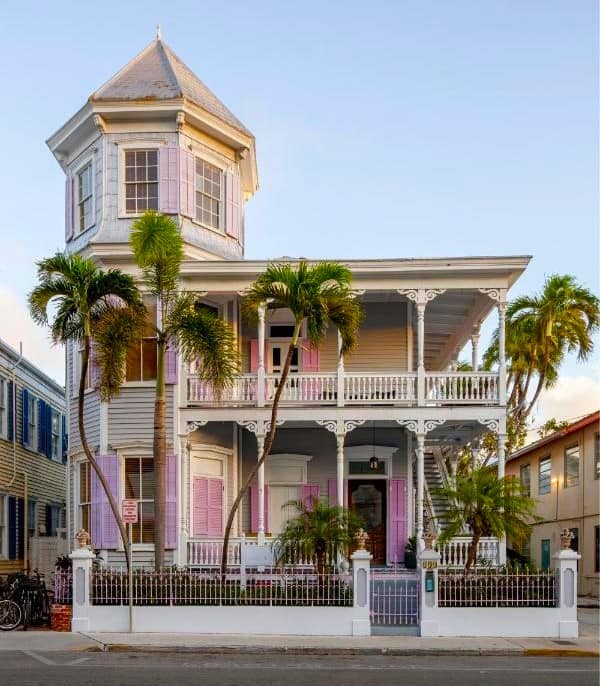
For those seeking a vibrant Caribbean atmosphere without a passport, Key West stands out as a top choice among Florida’s best cities to visit. At the southernmost tip of the Florida Keys, this island city runs on a distinct concept of time known locally as “island time.” Visitors are drawn to its vibrant, bohemian energy, where historic pastel-hued Conch houses feature wraparound porches, blooming purple bougainvillea spills over picket fences, and free-roaming roosters parade proudly down the sidewalks. It is a highly walkable, bike-friendly oasis where travelers can park for the weekend and enjoy world-class coral reef excursions, literary history, and a legendary nightly sunset celebration.
What Makes It the Best
Key West stands out for its uninhibited, celebratory culture and unparalleled access to marine wilderness. Centering your visit around the legendary Duval Street corridor allows you to balance historic exploration with lively entertainment. No visit to the island is complete without touring the Ernest Hemingway Home and Museum, a grand Spanish Colonial estate constructed from native limestone. Visitors can wander through the writing studio where Hemingway penned classics like For Whom the Bell Tolls and interact with the dozens of polydactyl cats that roam the lush grounds.
As late afternoon approaches, join the collective migration toward Mallory Square. This historic waterfront plaza hosts the nightly Sunset Celebration, a lively ritual where street performers, musicians, and local artists gather against the backdrop of a fiery Gulf of Mexico sunset. For an unforgettable day trip, charter a high-speed ferry or seaplane to Dry Tortugas National Park, 70 miles west of Key West. This remote eco-reserve features Fort Jefferson’s monumental brick walls, surrounded by some of North America’s most vibrant, untouched coral reefs.
3. Fernandina Beach (Amelia Island): Lowcountry Elegance and Seaport Charm
Amelia Island holds a unique place in American history and is often called the “Isle of Eight Flags.” It is the only territory in the United States that has been controlled by eight different national entities since European contact: France, Spain, Great Britain, the American Republic of Florida, the Green Cross of Florida, Mexico, the Confederate States of America, and the United States. In the 19th century, Fernandina Beach was a bustling, deep-water Victorian seaport and a critical hub for shipping, rail transport, and shrimping. During this era, wealthy sea captains and merchants built magnificent Queen Anne, Italianate, and Gothic Revival mansions that still define the island’s architectural heritage today.
Why People Should Visit

At the state’s outermost northeastern boundary, Fernandina Beach on Amelia Island offers an exquisite blend of coastal luxury, rolling sand dunes, and the moss-draped hospitality of the American Lowcountry. This unique positioning makes it one of Florida’s best cities for travelers who appreciate refined Southern historic architecture paired with an uncrowded Atlantic beachfront. The island’s core community features a stunningly preserved 50-block historic district that feels more like Savannah or Charleston than a typical South Florida beach town. It provides an ideal weekend balance of high-end resort amenities, local seafood dining, and rich preservation.
What Makes It the Best
Fernandina Beach is the best because it guards its historic architectural visual lines while offering bucket-list outdoor recreation. A long weekend here should begin with a guided walking tour or horse-drawn carriage ride through the historic district. Admire the ornate woodwork, wide wrap-around porches, and historic brick facades along Center Street, and discover a treasure trove of boutique galleries, independent bookstores, and eclectic antique shops.
To connect with the island’s military past, spend half a day at Fort Clinch State Park on the town’s northern tip. Here, a beautifully preserved 19th-century brick fortress overlooks the Cumberland Sound, where living-history interpreters bring the Civil War era to life amid massive stone ramparts. The park also features miles of maritime forest hiking trails and pristine Atlantic beaches where visitors frequently uncover prehistoric shark teeth. For a true bucket-list experience, book a guided horseback excursion with a local outfitter to ride majestic horses directly through the Atlantic surf along the wide, sun-bleached sands.
4. Sarasota: The Cultural Capital of the Gulf Coast
Indigenous tribes and early Spanish traders used Sarasota for centuries, but John Ringling, one of the founding brothers of the Ringling Bros. and Barnum & Bailey Circus, indelibly shaped its modern identity in the early 20th century. Ringling and his wife, Mable, fell in love with the region and invested their massive circus fortune in real estate, art, and civic design.
They constructed an extravagant Venetian Gothic winter mansion on Sarasota Bay and established a world-class art museum to house their vast collection of European masterworks. This influx of wealth and artistic passion permanently established the city as a major intellectual and creative hub, distinguishing it from the standard agricultural and fishing outposts of early Florida.
Why People Should Visit
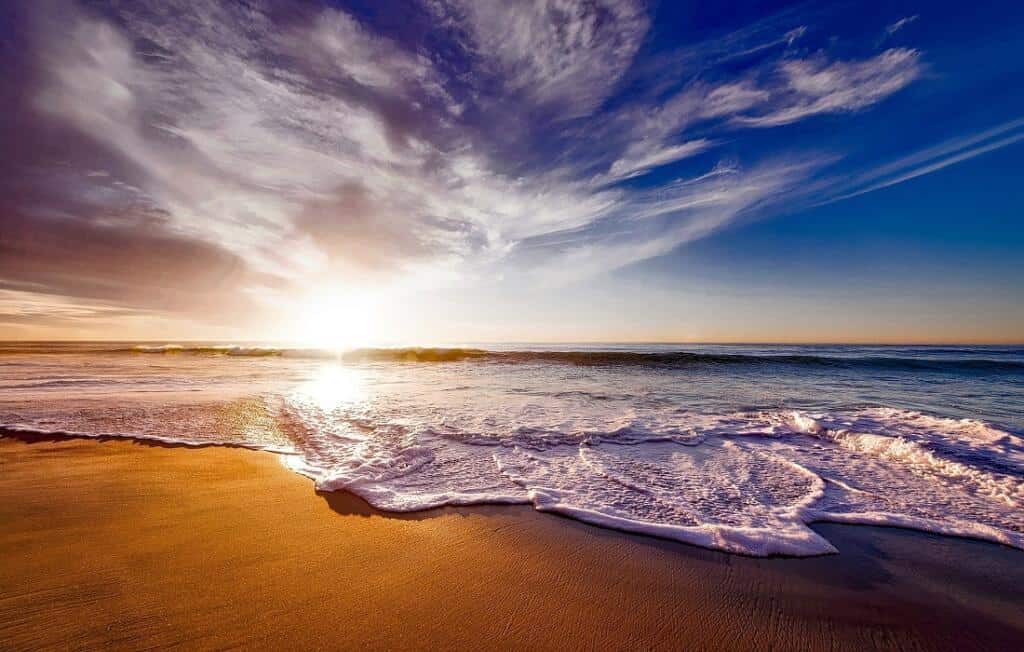
Sarasota offers a uniquely sophisticated experience that blends metropolitan refinement with some of North America’s most striking coastal scenery. It ranks among Florida’s best cities to visit because of its rich concentration of performing arts venues, including professional opera houses, ballet companies, and experimental theaters. Visitors can stroll through St. Armands Circle, an elegant, outdoor shopping and dining district surrounded by tropical foliage and classical European statues. The city offers a perfectly curated getaway where high art, upscale dining, and coastal leisure coexist seamlessly.
What Makes It the Best
Sarasota stands out because it pairs world-renowned cultural institutions with beaches of unparalleled geological beauty. No visit is complete without exploring The Ringling, a 66-acre estate that contains the Museum of Art, the Circus Museum, and Ca’ d’Zan—the Ringlings’ breathtaking waterfront mansion.
After immersing yourself in Baroque art, take a short drive to Siesta Key Beach. The sand here is 99% pure quartz, pulverized over millions of years into a fine powder that feels like powdered sugar underfoot. Because of its crystalline composition, the sand never retains heat, staying cool even on the hottest summer afternoons as you look out over brilliant turquoise Gulf waters.
5. Sanibel Island: A Low-Profile Eco-Sanctuary
Sanibel Island’s unique east-west geographical orientation has dictated its fortune for thousands of years. Rising sea levels and shifting sediments originally formed the island, and the Calusa Indians inhabited it for centuries, building elaborate shell mounds and canal networks. In later centuries, the island’s hidden coves and thick mangroves allegedly served as a strategic refuge for notorious pirates, including the legendary José Gaspar.
The modern identity of Sanibel, however, was forged in the mid-20th century when visionary local conservationists, led by political cartoonist Jay Norwood “Ding” Darling, successfully fought to halt massive commercial development, permanently setting aside over half of the island’s land mass as protected wilderness.
Why People Should Visit

If your ideal getaway means disconnecting from digital screens and reconnecting with raw coastal nature, Sanibel Island ranks among Florida’s best places to visit. Located on the southwest Gulf Coast, Sanibel is an internationally renowned eco-sanctuary that has intentionally rejected the hyper-development seen across much of the state.
The island bans high-rise condominium complexes, glaring neon signs, and fast-food chains. Instead, dark-sky ordinances preserve the night stars, and a continuous network of shared-use bicycle paths serves as the primary mode of transportation. It is a sanctuary designed for slow living, where the soothing sound of gentle Gulf waves takes precedence over commercial noise.
What Makes It the Best
Sanibel Island is the best because it’s a raw, low-profile ecological haven where travelers can enjoy world-class shelling and wildlife viewing. The defining activity on the island is beachcombing, a pursuit so ubiquitous that the bent-over posture assumed by shell hunters has been dubbed the “Sanibel Stoop.” Head to Bowman’s Beach early to find an astonishing variety of coquinas, lightning whelks, tulip shells, and olive shells along the shoreline. Spend an afternoon exploring the J.N. “Ding” Darling National Wildlife Refuge, a vast expanse of mangrove forests and tidal flats.
Whether you choose an open-air tram ride, bike, or kayak through the refuge, you are guaranteed sightings of spectacular bird species, including roseate spoonbills, West Indian manatees, and prehistoric-looking wood storks, completing a deeply restorative travel experience.
Designing Your Perfect Sunshine State Journey
When choosing the best cities to visit in Florida, the key to a rewarding experience is aligning each community’s unique geographic and cultural strengths with your travel goals. If you seek deep historical narratives, architectural grandeur, and sophisticated dining, St. Augustine provides an old-world European ambiance unmatched on this side of the Atlantic.
For those craving an energetic, highly walkable tropical escape filled with artistic legacy and lively waterfront rituals, Key West delivers a legendary island experience. Meanwhile, Fernandina Beach offers a sophisticated blend of Lowcountry elegance and Victorian maritime history, perfect for sweeping dunes and quiet luxury.
For those seeking high-end cultural institutions paired with perfectly sculpted quartz sands, Sarasota offers a refined Gulf Coast itinerary. Finally, if you want to disconnect entirely, trade your car for a bicycle, and lose yourself in world-class nature, Sanibel Island’s eco-sanctuary offers unmatched tranquility. By choosing these curated, distinctive communities, your holiday can become more than a break from routine, a deeply memorable travel experience that showcases Florida’s best cities.
Looking For More In Florida?
- 12 Best Quiet Beaches in Florida
- 15 Cute Small Towns in Florida You Must Visit
- Best Florida Beach Camping Spots
- Florida Landmarks Famous Worldwide
- Suwannee Springs, Florida – The Oldest Spring in Florida
- Tarpon Springs, Florida – The Sponge Capital of the World
- The Dome Houses of Cape Romano – Marco Island, Florida
- The Most Rural Florida Towns You Must Visit
- Wakulla Springs and Lodge
- Westgate River Ranch Resort and Rodeo
- Where is the Nicest Beach in Florida?
Brit On The Move™ Travel Resources
Ready to book your next trip? Use these resources that work:
Was the flight canceled or delayed? Find out if you are eligible for compensation with AirHelp.
- Hotels: Find the best prices; use Booking.com
- Apartment Rentals: Find the best prices on apartment rentals with Booking.com’s Apartment Finder.
- Travel Insurance: Don’t leave home without it. View our suggestions to help you decide which travel insurance is for you: Travel Insurance Guide.
- Credit Cards: Check out our recommendations for Travel Credit Cards.
- Volunteer Vacation or a Working Holiday? Check out the complete guide here!
- Rental Cars: Find the best deals here!