Wakulla Springs and Lodge: The Ultimate Guide to Captivating History & Vibrant Wildlife
Wakulla Springs is one of the most untouched waterways and springs in Florida. Wakulla Springs, as part of Edward Ball Wakulla Springs State Park, is managed by the Florida State Parks system and is one of the few springs accessible only through the park.
Even though this spring is connected to the Wakulla River, which connects to the Gulf of Mexico, you cannot access this spring via the water or the surrounding land. The only way to enjoy this masterpiece of nature is by entering through the State Park. Wakulla Springs is also the only Florida state park with a spring and a hotel on site. So, if you don’t like camping or glamping but love the springs, Wakulla is for you.
This post may contain affiliate links. Please read our disclosure and privacy policy for more information.
Step into a place where spring-fed water, old-growth forest, and a 1930s lodge converge into a single, unforgettable escape. You can explore crystal-clear springs by glass-bottom boat, wander the shaded trails around a 6,000-acre state park, and stay in a historic Spanish Colonial Revival lodge that looks out over one of the largest springs in the country.
You’ll discover how the site’s architectural details, storied history, and wildlife-rich river shape both quiet getaways and active days of paddling, spotting manatees, or touring the grounds.
Florida Springs Etiquette – Leave No Trace Behind
It’s everyone’s right to visit Florida Springs. However, we all have a moral duty to leave them as we found them or better for others to enjoy. Here are some simple steps to ensure that our springs are kept pristine:
- Plan Ahead & Prepare: Know regulations (like springs protection zones), check the weather, and have appropriate gear.
- Travel & Camp on Durable Surfaces: Stick to trails; avoid creating new paths.
- Dispose of Waste Properly: Pack out everything (trash, food scraps, cigarette butts).
- Leave What You Find: Take photos, not plants, rocks, or shells.
- Minimize Campfire Impacts: Use designated rings and ensure fires are cold and out.
- Respect Wildlife: Observe from a distance; do not feed animals.
- Be Considerate of Others: Keep noise down and remove all personal items (chairs, toys, kayaks) daily.
Specific Florida Springs Actions
- In the Water: Don’t stand on vegetation or kick up silt; use mushroom anchors instead of hooks; trim boat motors in shallow areas; avoid landing boats on banks.
- On Shore: Fill holes in the sand; don’t climb trees or use rope swings.
- Boating: Turn off propellers when waiting for swimmers to pass to protect vegetation and wildlife.
Go The Extra Mile
- Pick up any trash others left
- Report any violators
- Report any distressed wildlife
Historic Significance Of Wakulla Springs
Wakulla Springs and Wakulla Lodge are rooted in deep human history, 1930s-era architecture, and a long record of preservation and public use.
You can trace the Lodge’s visible beginnings to the 1930s, when Edward Ball commissioned the Spanish Colonial/ Mediterranean Revival–style building that stands today. Construction completed in 1937, using regional materials and craftsmanship intended to blend with the riverine landscape; the design emphasized wide porches, stucco walls, and tile roofs to suit Florida’s climate.

Before Wakulla Lodge, the springs hosted Indigenous peoples for millennia; archaeological work during later renovations uncovered Paleo-Indian artifacts proving human presence more than 12,000 years ago. Ball acquired the property in the early 20th century and developed the site as both a private retreat and a public destination, shaping the built environment you see when you visit.
Notable Events Through the Decades
You can point to several milestones that mark Wakulla Springs’ public profile. In the 1930s and 1940s, the springs and the surrounding river became a popular filming location for Hollywood productions, including Creature from the Black Lagoon, boosting tourism and national awareness. The Lodge hosted guests ranging from vacationing families to conservation-minded visitors who came for guided boat tours and wildlife viewing.
In the 1990s, significant archaeological discoveries emerged during lodge renovations, confirming ancient human occupation. In 1993, the park area was designated a National Historic and Archaeological District, recognizing both the cultural artifacts beneath the ground and the historic landscape above. The site has also undergone periodic restorations to preserve architectural details while meeting modern safety and visitor standards.
Architectural Features Of Wakulla Lodge
You’ll notice a mix of 1930s Mediterranean Revival and Art Deco details, concentrated in specific rooms and façades. Key elements include hand-painted ceilings, heart-cypress finishes, marble staircases, and carefully preserved exterior masonry and rooflines.
Interior Design Details
You enter a grand lobby with an ornate hand-painted ceiling that draws your eye upward. The ceiling’s painted motifs and muted palette reflect 1930s decorative trends and remain a focal point for visitors.
The lobby uses heart cypress extensively in trim and paneling, giving spaces a warm, historic character. A large fireplace anchors the room; it combines a stone surround with iron accents and serves as both a functional and decorative centerpiece. There’s also a grand piano for formal events.
The first post office in Wakulla County was located at the Lodge at Wakulla Springs. It is located at the end of the soda fountain and still contains some of the original post office supplies, including a postal scale and cancellation stamps. It is now the Lodge’s main bar, serving drinks to visitors most nights, rather than a post office.


A marble-and-iron staircase rises with three broad landings, each detailed with wrought-iron balustrades and carved marble newel posts. The stairs’ scale and craftsmanship speak to the Lodge’s original intention as a refined retreat.
Guest rooms retain period touches such as high moldings, original hardwood floors, and brass fixtures where possible. Modern utilities have been discreetly integrated, so you experience comfort without losing the visual authenticity.

Noteworthy Exterior Elements
You’ll see Mediterranean Revival massing: low-pitched red tile roofs, stucco walls, and arched openings that frame porches and windows. These features create a cohesive silhouette against the park’s forested backdrop. The Lodge’s façades feature decorative ironwork, carved stone details, and porches with substantial columns. Arches over doorways and windows reinforce the historic style and provide shaded transition spaces.
Landscaping and sightlines were designed to connect the building to Wakulla Springs itself. Walkways, terraces, and viewing areas align with spring vistas so your experience moves naturally between built and natural elements.
Materials such as stucco, clay tile, and locally sourced stone were selected for durability and period authenticity. The result preserves the original visual intent while resisting the humid coastal climate.

Staying At Wakulla Lodge
You can choose from standard guest rooms, river-view rooms, and larger suites with separate living areas. Expect period-inspired decor blended with modern comforts, including flat-screen TVs, Wi‑Fi, climate control, and en suite bathrooms.
Some rooms include private balconies or direct views of the spring and river, which matter if you prioritize wildlife viewing or sunrise light. Suites add space for families or extended stays and often provide additional seating and workspace. Housekeeping, in-room coffee, and complimentary toiletries are standard. Verify bed configuration and accessibility features when booking, as historic properties can have variable room layouts.
Host Your Event At Wakulla Lodge
You can host intimate ceremonies, larger receptions, and focused corporate gatherings at distinct indoor and outdoor spaces that combine historic character with park scenery. Catering, onsite lodging, and flexible layouts let you plan multi-day events with minimal vendor travel.
Dining Options At Wakulla Springs
You can dine at the Lodge’s on-site restaurant, which emphasizes regional ingredients and Southern classics alongside seasonal specials. Menu items commonly include fresh-caught fish, local produce, and Gulf-inspired preparations; breakfast offerings range from hot plates to lighter continental choices.
The dining room overlooks park landscapes, which enhance a relaxed meal experience; reservations are recommended during busy weekends and special events. You’ll also find limited grab-and-go options for early departures and picnic provisions if you plan a river or trail day. Ask about daily specials and the chef’s recommendations for locally sourced dishes and desserts.
How Did Florida State Parks Acquire Wakulla Springs and Lodge?
Edward Ball constructed the lodge in 1937 and used it as a private retreat after purchasing the springs from the Christy brothers in 1931. After years of private ownership by financier Edward Ball, the 4,000-acre Wakulla Springs property and its famous lodge were acquired by the State of Florida in October 1985 to establish the state park. To preserve the land’s ecological and cultural value, the state purchased it after Ball’s death in 1981.
The state purchased the land expressly to protect the delicate ecosystem of one of the world’s largest and deepest freshwater springs. The state park framework provides maintenance, visitor programming, and protection of both the springhead and adjacent uplands, including habitat for manatees, alligators, and numerous bird species.
Wakulla Springs Ecosystem
Wakulla’s main spring is one of the world’s largest and deepest freshwater springs, discharging a steady flow of clear, mineral-rich water from a limestone aquifer. The spring pool and feeder channels maintain consistent year-round temperatures around mid-70s°F, which supports submerged aquatic vegetation and makes snorkeling and spring-fed swimming appealing.
You’ll see underwater features like limestone ledges and a deep vent area where the spring issues from the aquifer. Water clarity varies with rainfall and boat activity, so morning hours often offer the best visibility for viewing submerged plants and shallow fish. The spring’s flow also feeds the Wakulla River, shaping downstream habitats and influencing salinity and water levels where the river meets the tidal zone.

Things To Do At Edward Ball Wakulla Springs State Park
Guided River Tours
Board a glass-bottom or covered boat for a guided river tour on the Wakulla River that departs from the park docks near the Lodge. Tours last about 45–60 minutes; guides point out manatees, alligators, and wading birds, and explain local ecology and history. I strongly recommend that you do not skip this – aside from watching manatees mate, this is one of the highlights of Wakulla Springs State Park.
You have to buy your tickets for the boat ride inside the lodge – you can’t buy them on the boat platform. So, if you plan to do the boat ride, grab your tickets as you enter. Also, the boat rides do sell out, making it even more important to buy tickets on your way in.

Swimming At Wakulla Springs State Park
For many of us, spring hunters, swimming in the crystal-clear water is the attraction. At Wakulla Springs State Park, there is a designated swim area framed by a two-story observation tower and sun platforms that give clear views of the deep, clear water. Unlike springs like Juiper, Alexander, and The Rainbow River, you cannot tube or kayak down the river. You are restricted to the designated swimming area.

Wildlife At Wakulla Springs
As with many of the springs I visit in the winter, this spring was packed with wildlife, and there was an abundance of manatees. We even got to see a group of manatees mating – a comical and uncoordinated free-for-all. The manatees were all over the spring head and on the river. However, the prime viewing spot is on top of the two-story observation tower.
Manatees Mating At Wakulla Springs


You will encounter manatees in colder months when they seek warm spring water, typically from November through the end of March.
Alligators at Wakulla Springs
As with all springs, you are probably going to see an alligator. Wakulla Springs was no different in terms of volume – there are tons of them. What was different was that we got to see numerous hatchlings. I’ve never seen this in the wild before, so it was very exciting. Sadly, I did not capture a clear enough image of the hatchlings. I’ll also add that they are hard to see despite the distinctive yellow and orange stripes they have when young.


Bird Watching At Edward Ball Wakulla Springs State Park
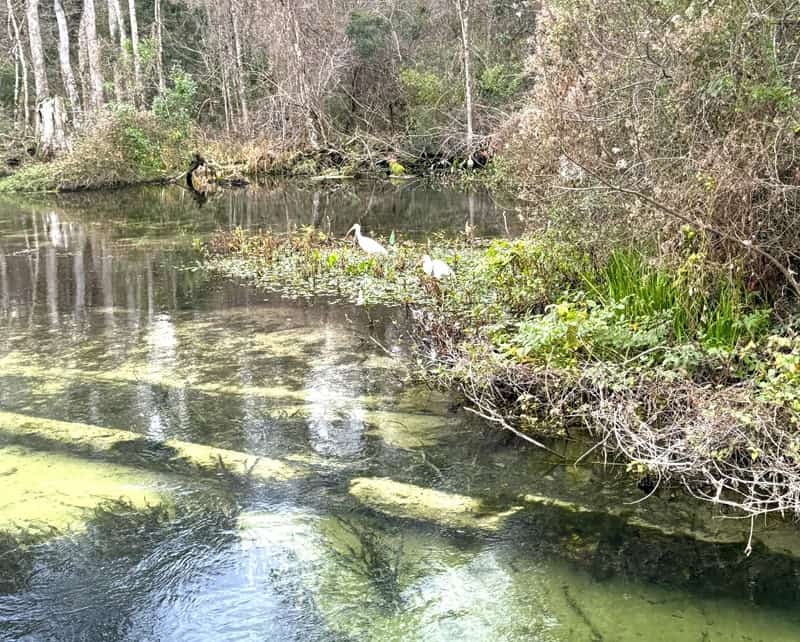
I am not a birdwatcher per se; it’s not really the reason I pick a destination. However, Wakulla is a birdwatcher’s paradise. Particularly near the spring-fed Wakulla River, Edward Ball Wakulla Springs State Park is a top birdwatching destination, with limpkins, herons, egrets, anhingas, and osprey. White ibises, wintering hooded mergansers, and least bitterns are frequently seen by tourists. If you want to see all the various species, you must take the boat ride.

When is the best time to visit Wakulla Springs State Park?
When to visit Wakulla Springs State Park depends on what you want to achieve. The park is open year-round, but weather conditions determine activities and wildlife. For example, if you want to explore underwater, summer (June through September) may be the best time because it’s hot outside. However, it does rain daily in Florida during the summer. Another drawback of summer is that there’s less wildlife to see, and springs in Florida draw crowds, especially when the kids are out of school.
If you want to see manatees, the best time to visit Wakulla Springs is from November through March. However, it is winter, and it is likely to be cold. Now, don’t be put off by the cold weather. The winter season at the springs is one of my favorite times. It’s the time when the water is warmer than outside, and you are almost certain to see manatees. Plus, you have the chance of scoring a spring all to yourself in the winter.
Booking Tips
Reserve Lodge rooms and river cruises online well in advance, especially for weekend stays and spring/fall peak seasons. The Lodge offers standard rooms, a restaurant, and bike rentals; verify cancellation windows and deposit requirements on the booking page before you pay.
Bring payment for park entry and specific activities—some tours require separate fees. If you need accessible rooms or want to schedule educational group tours, call the park office directly to confirm availability and accommodations. Keep confirmation emails and contact numbers handy in case you need to modify dates.
Frequently Asked Questions
What are the current hours of operation for the park and boat tours at Wakulla Springs?
The state park typically opens at 8:00 AM and closes at sunset; exact closing times vary by season and official sunset time. Confirm the park gate hours on the Florida State Parks website before you go.
Boat tours usually run between mid-morning and late afternoon, with multiple departures; schedules shift seasonally and on weekdapark’ssus weekends. Call the park or check the park’s current schedule online the day before your visit to confirm tour times.
The Lodge at Wakulla Springs operates year-round but maintains specific check-in/check-out times (commonly mid-afternoon check-in and late-morning check-out). Contact the Lodge directly or use the reservations page to verify current front-desk hours and any seasonal changes.
What are the prices and requirements for the boat tour, and how long does it last?
Ticket prices vary by age category and change seasonally; expect separate adult, child, and senior fares.
$8.00 for adults (13+) and $5.00 for children (ages 3–12), with children under 3 riding free.
Purchase tickets at the park visitor center inside the lodge, and keep in mind that some tours sell out midday.
Tours commonly last about 45–60 minutes, depending on conditions and the length of the narration. Wear comfortable shoes, arrive 15 minutes early, and check for any age or mobility restrictions when you buy tickets.
Closing Thoughts
I’ve visited countless springs over the years – from totally private, unnamed springs to state parks. I consistently share that each and every spring or park is different and unique – no two are the same.
What really stands out about Edward Ball Wakulla Springs State Park is the untouched element. I’d go as far as to say that for a state park, it’s remarkable just how preserved and organic the spring and river are. You can’t help but feel as if you’ve stepped back in time.
Then there’s the wildlife! For anyone who wants to experience Florida’s wildlife, make the trip to Wakulla Springs, and you’ll see for yourself just how diverse and rich our wildlife is.
Looking For More? Start Here:
- Captivating Convict Spring, Florida
- Eagles Nest Sinkhole: A Wonderful And Iconic Sinkhole
- Fanning Springs
- Homosassa Springs Florida
- Kings Landing, Florida, and The Iconic Emerald Cut
- Rainbow Springs State Park
- Royal Springs – Suwannee County’s Hidden Gem
- Suwannee Springs, Florida – The Oldest Spring in Florida
- Telford Springs: A Natural Wonder On The Suwannee River
- Three Sisters Springs Wildlife Refuge – Crystal River
- Troy Springs: A Guide to Florida’s Stunning Natural Wonder
- Wes Skiles Peacock Springs State Park
Brit On The Move™ Travel Resources
Ready to book your next trip? Use these resources that work:
Was the flight canceled or delayed? Find out if you are eligible for compensation with AirHelp.
- Hotels: Find the best prices; use Booking.com
- Apartment Rentals: Find the best prices on apartment rentals with Booking.com’s Apartment Finder.
- Travel Insurance: Don’t leave home without it. View our suggestions to help you decide which travel insurance is for you: Travel Insurance Guide.
- Credit Cards: Check out our recommendations for Travel Credit Cards.
- Volunteer Vacation or a Working Holiday? Check out the complete guide here!
- Rental Cars: Find the best deals here!