South America Overland Guide for First-Timers: Embark on an Epic and Unforgettable Adventure
The first time you watch an Andean city disappear behind a bus window, you realize why flying every leg is a mistake. South America is made for slow travel: overnight buses crossing high plains, inexpensive local lunches, mountain towns that reward an extra day, and conversations that never happen in an airport queue. This South America overland guide is for travelers who want the adventure without treating every border crossing, bus terminal, or cash withdrawal as a gamble.
This post may contain affiliate links. Please read our disclosure and privacy policy for more information.
Overlanding here does require flexibility. Distances are huge, weather can rewrite a route, and the cheapest option is not always the best value. But with a sensible framework, a few well-chosen splurges, and time built into the plan, you can cover serious ground without burning through your vacation fund.
Start With a Route That Respects the Map
South America looks deceptively manageable on a screen. In reality, the continent is vast, roads can be slow, and a “short” bus ride may mean 10 hours of switchbacks or an overnight journey. Trying to see Colombia, Peru, Bolivia, Chile, Argentina, and Brazil in two weeks is not ambitious. It is a recipe for bus stations and exhaustion.
For a first trip, pick one of three logical corridors. Colombia, Ecuador, and Peru work well for travelers chasing culture, coffee regions, colonial cities, and major hiking gateways. Peru, Bolivia, northern Chile, and northwest Argentina make a strong high-altitude route, with dramatic landscapes and generally affordable transport. Chile and Argentina suit travelers with more time and a bigger budget, particularly if Patagonia is on the list.

Give yourself at least three weeks for two or three countries. Four to six weeks lets you travel at a pace where an unplanned festival, a weather delay, or a town you genuinely love does not derail the whole trip. If you have only 10 to 14 days, focus on one country and use a couple of strategic domestic flights rather than forcing an overland marathon.
A Smart First-Timer Itinerary
A realistic month could begin in Lima, continue to Cusco and the Sacred Valley, cross into Bolivia for La Paz, Sucre, and Uyuni, then finish via northern Chile or Argentina. Another solid option starts in Medellin, travels south through Colombia, crosses Ecuador, and ends in northern Peru. Both give you a satisfying mix of cities, landscapes, and manageable travel days.
Do not build an itinerary around a single border crossing without a backup. Political conditions, protests, road closures, and seasonal weather can all affect land routes. Check official entry rules shortly before departure, then ask at your hostel or hotel once you arrive. Local information is often more useful than a six-month-old forum post.
The South America Overland Guide to Buses
Long-distance buses are the backbone of independent travel in much of the continent. They range from basic local coaches to surprisingly comfortable overnight services with reclining seats, meals, blankets, and baggage tags. On the better routes in Peru, Chile, Argentina, Brazil, and parts of Colombia, a premium seat can cost more than the cheapest bus but save you a hotel night and leave you functional the next morning.
For daytime rides, choose departures that arrive before dark when possible. Bus terminals can be chaotic, and arriving in an unfamiliar city at 2 a.m. is rarely the money-saving win it seems. Keep your daypack with you, including passport, electronics, medication, and a layer for air-conditioning that can feel Arctic.

Book major holiday weekends, popular overnight routes, and peak-season Patagonia buses ahead. For routine routes, buying a ticket a day or two before is often enough and gives you room to adjust. The trade-off is simple: advance booking creates certainty, while booking locally protects your flexibility. Most overland travelers need a bit of both.
When A Flight Is Worth Paying For
No one gets a medal for taking a 30-hour bus. Consider flying on routes that eat multiple vacation days, cross difficult terrain, or require a tiring chain of connections. This is especially true for Patagonia, Brazil’s enormous internal distances, and journeys between Colombia and the southern Andes.
Use buses where the journey is part of the experience. Fly when it buys you two extra days of hiking, eating well, or exploring a place you came all that way to see. Smart budget travel means spending less on things you don’t value, not suffering for the sake of a low total. Here is the perfect example:
Iguazú Falls
Most people, like me, who visit Brazil, Argentina, or Paraguay will have Iguazú Falls on their list. You can’t actually view the falls from Paraguay, so most people will connect through Brazil or Argentina. There are buses, but they will take you hours via land – the smartest option is to fly.

There are two airports. One in Brazil, one in Argentina. Make sure you understand which side you are flying into:
- Aeropuerto Internacional Cataratas Del Iguazú – Argentina
- Foz do Iguaçu International Airport – Brazil
Budget for Friction, Not Just Beds and Buses
Daily costs vary wildly. Bolivia and parts of Peru and Ecuador can be very affordable, while Chile, Uruguay, Brazil, and Patagonia can quickly resemble North American prices. Argentina can be excellent value or confusingly expensive depending on exchange rates and payment methods at the time of your visit.
A practical midrange backpacker budget should include lodging, local transit, meals, activities, tips, laundry, data, and the occasional taxi when common sense says not to walk. Set aside a separate contingency fund for a replacement bus ticket, a weather-related hotel night, or an unexpected flight. That buffer is what keeps a minor snag from becoming a stressful financial event.
Carry more than one way to pay. Bring a no-foreign-transaction-fee card if possible, a backup card stored separately, and some U.S. dollars in clean, newer bills for emergencies or places where cash remains king. ATMs can run out of money, reject foreign cards, or impose low withdrawal limits. Never leave yourself with one card and no cash on a multi-day stretch.
Street food and set lunches are often the best value, but choose busy stalls with high turnover and food cooked hot in front of you. Save money without being reckless about water, food hygiene, or travel insurance. A cheap trip stops being cheap fast when illness or a stolen phone eats three days of it.
Plan Around Altitude and Weather
Altitude is the most common itinerary mistake on the Peru-Bolivia circuit. Flying into Cusco or La Paz and hiking the next morning is a poor plan, no matter how fit you are at sea level. Spend two or three easy days acclimatizing, hydrate, avoid heavy drinking, and know the symptoms that require medical attention.
Weather matters just as much. Patagonia is at its most accessible in the Southern Hemisphere summer, roughly December through February, but prices and crowds rise with it. The Andes have distinct wet and dry seasons, and some trekking routes become less pleasant or less reliable during heavy rain. The Uyuni salt flats are famous for mirror-like reflections after rains, while the drier months can make transport simpler. Decide which experience matters more, rather than assuming there is one perfect month.

Pack for layers rather than a single climate. You might sweat in Cartagena, get cold at altitude in La Paz, and deal with wind or rain in Chile on the same trip. A light insulated layer, rain shell, sun protection, comfortable walking shoes, and a small day bag solve more problems than a giant suitcase ever will.
Handle Borders Calmly and Carefully
Land borders can be straightforward, but they demand patience. Have your passport, proof of onward travel if required, accommodation details, and any visa documentation organized before you reach the immigration desk. Requirements for U.S. passport holders differ by country and can change, so verify them through official government sources before departure.
Keep track of entry stamps and any migration slips you receive. Check the stamp before leaving the counter, especially the permitted length of stay. It is much easier to correct a mistake immediately than explain it at your next airport or border.

Use official transport or reputable operators for border runs, particularly when arriving after dark. Be polite, decline unsolicited “helpers” who demand fees, and do not hand over your passport to anyone except authorized officials. A little situational awareness goes a long way without turning travel into paranoia.
Getting Visas For South America
I’m familiar with some tools and services I’ve used before, and I’ve researched many new ones. When you research travel visa tools or services, you will find most give you a long list of country requirements to read. Few have an easy-to-use search portal.
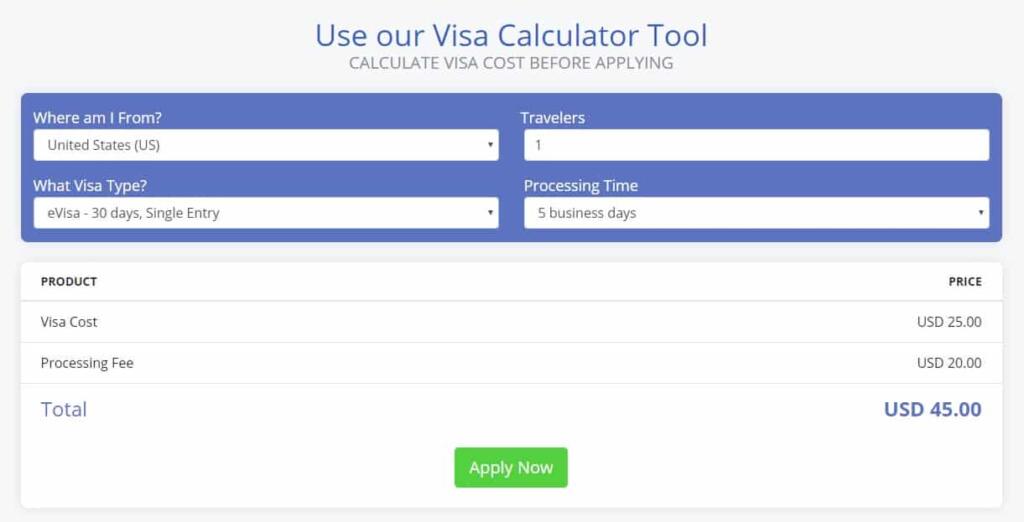
Enter the country you are from (where your passport was issued) and where you are going, then hit Apply Now. It’s that easy.
What’s cool about this tool, beyond the convenience, is that even if you still prefer to apply for a visa yourself, it will give you up-to-date, accurate visa requirements by country and citizenship.
If you find the visa process overwhelming and don’t want to apply yourself, iVisa can process the visa for a nominal fee (typically between $20 and $35). iVisa’s tool will also show you all the costs for self-application or application through them:
Stay Open, But Do Not Travel Naively
South America is not one safety story. Risk varies dramatically by country, neighborhood, time of day, and how visibly distracted or loaded down you appear. Ask locals where not to walk after dark, use ride-hailing or licensed taxis when appropriate, and avoid displaying expensive cameras or phones on busy streets.
For solo travelers, the biggest advantage is staying connected. Send your rough route to someone you trust, download offline maps and key reservations, and check in after long transfers. Choose accommodations with recent, detailed reviews rather than automatically booking the lowest price. A central location, staffed reception, and secure luggage storage can be worth a few extra dollars.
Learn enough Spanish to handle food, directions, numbers, transport, and basic problems. Portuguese helps enormously in Brazil. You do not need fluency to travel well, but a few useful phrases signal respect and make everyday negotiations less intimidating.
Leave room for the surprises that make overland travel worthwhile: the recommendation from a bus-seat neighbor, the quiet village between famous stops, the extra night that turns a pleasant place into a favorite memory. Plan the bones of the trip carefully, then let the road do some of the work.
Looking for more posts on South America? Start here:
- 15 Reasons To Visit Quito, Ecuador – Now!
- Argentina – What You Need to Know
- Colonia Uruguay from Argentina
- Hotel Del Salto at Tequendama Falls – Colombia
- Iguazu Falls – Brazil and Argentina
- Rio de Janeiro, Brazil – The Complete Guide
- Salt Cathedral of Zipaquira – Bogota, Colombia
- Villa de Leyva – Casa Terracota
Brit On The Move™ Travel Resources
Ready to book your next trip? Use these resources that work:
Was the flight canceled or delayed? Find out if you are eligible for compensation with AirHelp.
- Hotels: Find the best prices; use Booking.com
- Apartment Rentals: Find the best prices on apartment rentals with Booking.com’s Apartment Finder.
- Travel Insurance: Don’t leave home without it. View our suggestions to help you decide which travel insurance is for you: Travel Insurance Guide.
- Credit Cards: Check out our recommendations for Travel Credit Cards.
- Volunteer Vacation or a Working Holiday? Check out the complete guide here!
- Rental Cars: Find the best deals here!