Best Caribbean Islands Offseason Travel: Discover Hidden Gems for Unforgettable Escapes
A Caribbean hotel room that costs $450 a night in February can drop dramatically once summer arrives. The trade-off is obvious: heat, humidity, and a real chance of rain. But for travelers hunting the best Caribbean islands offseason deals, choosing the right island can mean beach time without peak-season prices or packed cruise-port crowds.

This post may contain affiliate links. Please read our disclosure and privacy policy for more information.
The Caribbean offseason generally runs from late April or May through November. It overlaps with hurricane season, which officially lasts June through November, and the weather can be genuinely unsettled. This is not the time to book a nonrefundable villa and assume every day will be postcard-perfect. It’s a brilliant window for flexible travelers who would rather spend less on a room and more on snorkeling, local food, a rental car, or a few extra days away.
What Makes an Island Good in the Offseason?
The best choice is not automatically the island with the lowest hotel rate. Look for destinations south of the main hurricane belt, islands with enough year-round local life to stay interesting in quieter months, and places where a rainy afternoon does not ruin the trip.
For most U.S. travelers, timing matters almost as much as location. May and early June often offer the best mix of lower prices and decent weather. September and October can bring the deepest discounts, but they are also the months to take storm risk seriously. If your dates are fixed, travel insurance with hurricane-related coverage and a flexible booking policy are worth more than a flashy resort upgrade.
7 Best Caribbean Islands Offseason Travel
1. Curaçao for Color, Culture, and Lower Storm RisCuraçao
Curaçao is one of the smartest bets for an offseason Caribbean trip. It sits well south of the hurricane belt, has a dry climate by regional standards, and gives you far more to do than rotate between pool and beach. Willemstad’s colorful Dutch colonial buildings, neighborhood restaurants, diving sites, and small coves make it easy to build a full trip even if an afternoon shower rolls through.

It is especially good for independent travelers who are happy to rent a car. Staying outside the most polished resort areas can stretch your budget, while beaches such as Playa Lagun and Cas Abao give you a different experience each dayCuraçaoao is not the cheapest island once flights are factored in, so compare airfares before getting attached to a hotel deal.
2. Aruba for Reliable Sun and Easy Logistics
Aruba has a reputation for being windy, and in the offseason that breeze can be a gift. It takes the edge off the heat and makes the island feel more comfortable than some of its humid neighbors. Like Curacao, Aruba lies south of the main hurricane belt, making it a reassuring option for travelers booking during the late-summer peak.

The catch is that Aruba is rarely a rock-bottom destination. Popular beachfront properties can remain expensive year-round, and the island’s dining and transportation costs add up. You can keep it reasonable by booking a small apartment or hotel with a kitchen, using a grocery stop for breakfast and beach lunches, and saving restaurant spending for a few memorable meals.
3. Bonaire for Divers and Slow Travelers
Bonaire is the choice for travelers who would rather spend the day underwater than checking off tourist attractions. Its shore diving is the headline, but snorkelers, kayakers, birders, and travelers craving a slower Caribbean rhythm will find plenty to love. The island is also south of the main hurricane belt and typically drier than much of the region.
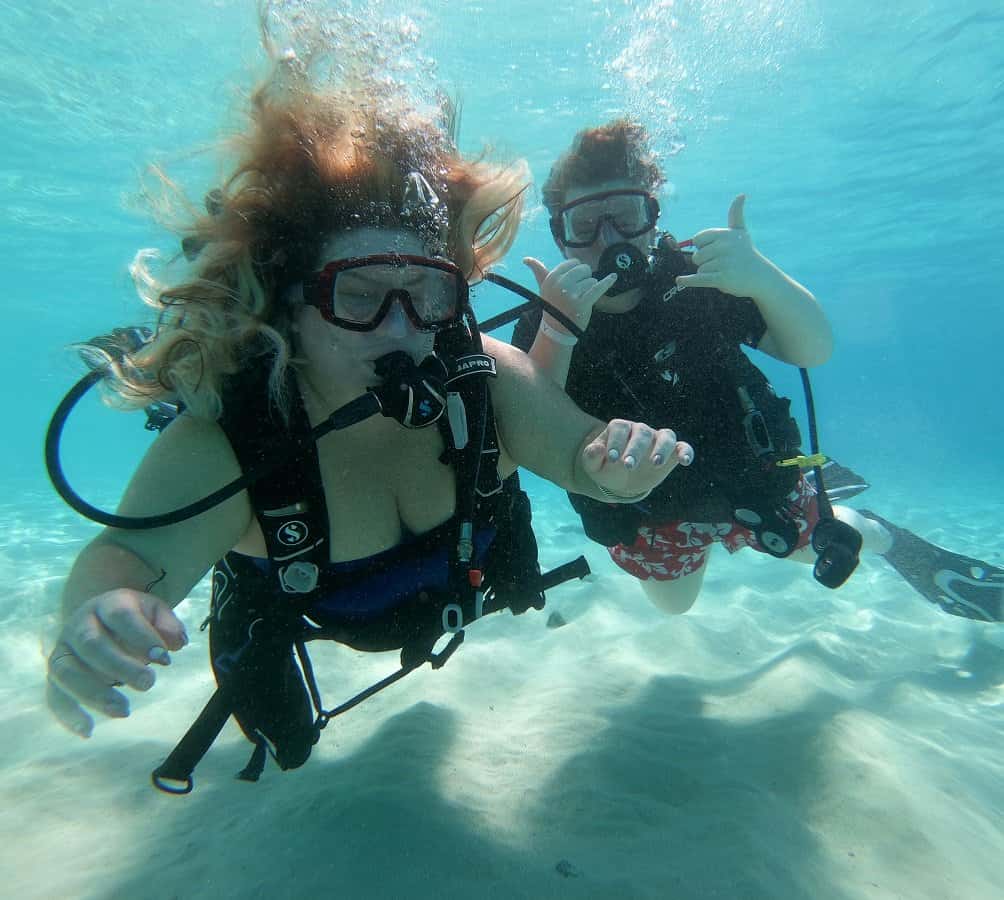
This is not the place for nonstop nightlife or a resort-heavy escape. It is best for couples, solo travelers, and small groups who value nature and do not need a packed itinerary. Rent a vehicle, bring a refillable water bottle, and plan around marine park fees and dive costs. The room rate may be lower in the offseason, but diving can still be the biggest line item in your budget.
4. Grenada for a More Local Caribbean Feel
Grenada offers rainforest, waterfalls, spice farms, beaches, and a capital city that feels lived-in rather than designed around a single resort strip. It is a strong offseason option for travelers who want a Caribbean trip with texture. You can hike to a waterfall in the morning, eat a local lunch in St. George’s, and still end the day in the water.

Rain is more likely here than on the ABC islands, especially in the wetter months, but that doesn’t mean days are a washout. Showers are often intense and brief. Grenada is a good fit if you can embrace a flexible plan and want more than a sun-lounger vacation. A rental car helps, though steep, narrow roads may not suit nervous drivers.
5. Barbados for Food, Surf, and Plenty to Do
Barbados remains lively when other islands quiet down. That is part of its appeal. It has excellent food, a broad range of accommodations, dependable infrastructure, and enough beaches and activities to suit travelers with different ideas of a good vacation. The south coast is convenient for dining and nightlife, while the east coast is wilder and better for scenic drives and surfing.
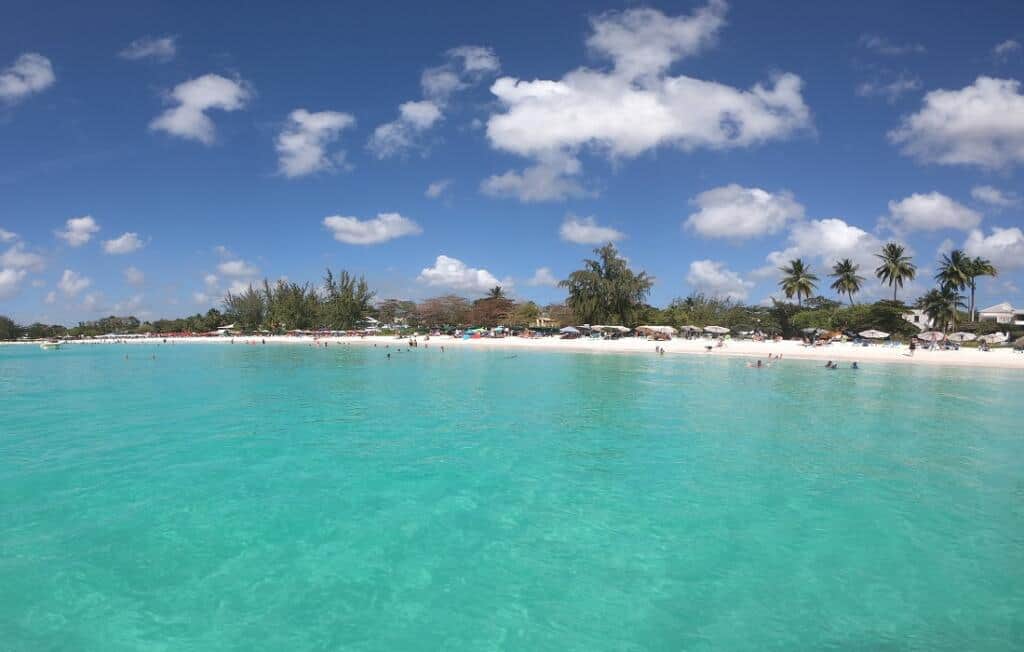
Offseason rain can be frequent, especially from August through October, and Barbados is not outside hurricane risk. Still, its developed tourism scene makes it easier to pivot when the weather changes. Use a rainy morning for rum tasting, a cooking class, or exploring Bridgetown, then head to the beach when the sun returns.
6. St. Lucia for a Big-Scenery Escape
St. Lucia is for travelers who want their beach trip to include dramatic mountains, rainforest trails, and views that make an early wake-up feel worthwhile. The Pitons, Sulfur Springs, fishing villages, and snorkeling make it feel more adventurous than a typical all-inclusive destination.

It can also be expensive, particularly around the most famous resort areas. Off-season is a good time to consider a guesthouse, a smaller boutique stay, or accommodations outside Soufriere. Be realistic about driving times: the roads are slow and winding, so a map may show a short distance that takes far longer than expected. Build breathing room into the itinerary rather than trying to conquer the whole island in three days.
7. Trinidad for Culture Beyond the Beach
Trinidad does not fit the standard Caribbean resort formula, which is exactly why the right traveler may love it. It offers a strong food scene, vibrant culture, birding, hiking, and easy access to Tobago if you want to add beach time. It sits south of the hurricane belt, making it a compelling option during the riskier part of the season.

Choose Trinidad if you are curious about the Caribbean beyond resort life and comfortable planning a more independent trip. Tobago is the better pick for beaches, while Trinidad brings the energy, markets, and cultural depth. Together, they can make a more varied vacation than a single-island resort stay.
How to Book an Offseason Caribbean Trip Without Regretting It
Start by pricing flights before you fall for a hotel sale. A bargain resort room is not much of a win if airfare eats the savings, especially from smaller U.S. airports. Consider flying midweek, checking nearby departure cities, and using points for the flight while paying cash for a discounted hotel. Offseason cash rates are often good enough that burning valuable hotel points is not the best deal.
Book lodging with free cancellation when possible, then keep watching prices. If the rate falls, rebook. This simple habit can save real money without requiring complicated travel hacks. For hurricane-season trips, avoid the cheapest nonrefundable option unless you would be completely comfortable losing that money.
Also, do not let a weather app dictate your expectations. Tropical forecasts can show rain every day because a brief shower is technically rain. What matters is whether a major system is developing, not a 40 percent chance of a 20-minute downpour at 3 p.m.
The offseason Caribbean rewards travelers who can stay flexible, choose an island with purpose, and leave room for the unexpected. Pick a place where you would still have a good day if the beach gets rained out, and where those lower prices feel like a genuine upgrade rather than a compromise.
Looking for more inspiration? Start here:
- 6 Best Ways To Explore The Caribbean Islands
- 9 Affordable Caribbean Islands Worth Booking
- 11 Best Hidden Gems Caribbean Travelers Miss
- Barbados’s Shipwrecks
- Bermuda Car Rentals – Why You Should Avoid Them
- Cuba – Yes, Americans can still travel To Cuba!
- Oasis of The Seas – The Amplified Version
- Renting a Car in Puerto Rico – The Complete Guide
- The Salt Flats of Puerto Rico
- Turks and Caicos – Things To Do
Brit On The Move™ Travel Resources
Ready to book your next trip? Use these resources that work:
Was the flight canceled or delayed? Find out if you are eligible for compensation with AirHelp.
- Hotels: Find the best prices; use Booking.com
- Apartment Rentals: Find the best prices on apartment rentals with Booking.com’s Apartment Finder.
- Travel Insurance: Don’t leave home without it. View our suggestions to help you decide which travel insurance is for you: Travel Insurance Guide.
- Credit Cards: Check out our recommendations for Travel Credit Cards.
- Volunteer Vacation or a Working Holiday? Check out the complete guide here!
- Rental Cars: Find the best deals here!