10 Great Reasons To Visit Paynes Prairie Preserve State Park Florida
Paynes Prairie Preserve State Park Florida is one of the state’s most unique wild places. It is the only place in Florida where you can see wild bison! Yes, you read this correctly, Florida has bison. Paynes Prairie Preserve State Park Florida is a 21,000-acre savanna where bison and wild horses roam. Nearly 300 bird species visit the preserve, and a mix of wetlands and uplands opens constant wildlife-viewing opportunities.
Paynes Prairie is now one of the few places east of the Mississippi River where visitors can see free-ranging bison in a landscape similar to their historic range. Paynes Prairie is one of the most unusual State Parks. Most people don’t believe that there are bison in Florida, but there are! If you want a short getaway full of wildlife, scenic overlooks, and trails for hiking, biking, and paddling, Paynes Prairie delivers those experiences within easy reach of Gainesville.

This post may contain affiliate links. Please read our disclosure and privacy policy for more information.
About Paynes Prairie Preserve State Park Florida
You’ll find that Paynes Prairie has a deep natural and cultural history dating back centuries. The basin formed from ancient sinkhole and river dynamics; indigenous peoples used the landscape long before European contact.
The site later became part of 19th-century ranching and early Florida settlement. In the 20th century, local conservationists pushed to protect the prairie’s unique habitat. The state designated it Florida’s first state preserve in 1971, and it holds National Natural Landmark status today.
Paynes Prairie spans a range of habitats: open xeric prairie, freshwater marshes, cypress and hardwood hammocks, and scrub margins. Those habitat mosaics support more than a dozen mammal species, populations of wild bison and feral horses, and almost 300 bird species, including wading birds and raptors.
Xeric Prairies
Xeric prairies are rare, open, non-forested plant communities occurring on shallow, rocky, or sandy, well-drained soils, typically in the eastern US.

So why visit? Reasons To Visit Paynes Prairie Preserve State Park Florida
- Wild Bison & Horses: It’s one of the only places in Florida where you can observe wild-roaming bison and horses.
- Wildlife Viewing: See incredible native animals — including alligators, white-tailed deer, and nearly 300 species of birds — in their natural habitat.
- Birdwatcher’s Paradise: Part of the Great Florida Birding & Wildlife Trail, it’s a top destination for birders seeking sandhill cranes, hawks, eagles, and more.
- Hiking & Multi-Use Trails: Explore over 30 miles of trails — from easy boardwalks to longer hikes like the scenic Chacala and Gainesville-Hawthorne State trails.
- Panoramic Views from the Observation Tower: Climb the 50-foot Wacahoota Trail Tower for sweeping views across the prairie — especially beautiful at sunrise or sunset.
- Water Activities at Lake Wauburg: Enjoy fishing or canoeing. Preserve inside the Preserve.
- Camping Under the Stars: Stay overnight at the shaded campground — perfect for reconnecting with nature and early morning wildlife viewing.
- Interactive Visitor Center: Learn about the park’s natural and cultural history through exhibits, films, and friendly park staff before you explore.
- Horseback Riding & Biking: Several trails are multi-use, allowing you to explore wide-open landscapes on horseback or by bike.
- Rich Natural History: As Florida’s first state preserve and a National Natural Landmark, the prairie features over 20 distinct biological communities to discover.
But before you go to the article, here are the most popular tours and excursions for you in Florida:
The Most Popular Tours In Florida
- 🚢 Watch the sunset and the moon rise off the coast of Key West on this sunset cruise
- 🚌 Escape to the wilderness of the Florida Everglades and see Miami by bus and boat on this guided, full-day, city sightseeing adventure
- 🛶 A good choice for nature lovers, with this tour, you can explore a unique part of Rock Springs Run known as “Emerald Cut” on a kayak with a glass bottom
- 🤿 This tour will take you to the Florida Keys National Marine Sanctuary and John Pennekamp Coral Reef State Park to explore reefs that are part of the third-largest living reef system in the world
- 🚢 Get up close with sharks and other marine wildlife on this boat tour from Key West
Bison At Paynes Prairie Preserve State Park Florida
For me, this is the number one reason to visit! You cannot see the wild bison anywhere else in the state of Florida. It seems that no one knows these native animals exist here. If I had a dollar for every time I told someone that Florida has Bison and they are native, I’d be rich.
The History Of Bison in Florida
Bison are native to Florida, including Paynes Prairie. Fossil evidence shows bison lived in Florida for thousands of years, grazing open prairies alongside mammoths and mastodons. Early Spanish explorers in the 1500s documented large herds of bison across what is now north-central Florida. They disappeared somewhere in the 1700s–1800s. Bison vanished from Florida due to overhunting, habitat loss, and the expansion of ranching and settlements. By the early 1800s, bison were extinct in Florida.

Restoration And Reintroduction of Bison in Florida – The 1970’s
In 1974, Paynes Prairie was designated Florida’s first State Preserve. As part of restoring the prairie’s original ecosystem, the state decided to reintroduce native megafauna. In 1975, A small herd of American bison was reintroduced to Paynes Prairie. The animals were brought from western U.S. herds with genetics suitable for conservation herds. They were placed in a free-ranging, fenced preserve that mimics historic prairie conditions.
Bison aren’t just symbolic — they’re ecosystem engineers. Their grazing maintains open grasslands. Wallows (dust depressions) create microhabitats for plants and insects. They help prevent the prairie from turning into forest. Their presence supports biodiversity across the Preserve.

The herd typically ranges from 30 to 50 bison, depending on conditions. They roam freely across the prairie (within park boundaries) and are managed by Florida Park Service biologists to ensure a healthy population size, genetic diversity, and habitat balance.
Florida Cracker Horses of Paynes Prairie Preserve State Park Florida
The Florida Cracker horses roaming Paynes Prairie are a living link to Florida’s earliest history and one of the park’s most iconic sights. Descended from Spanish horses brought to Florida in the 1500s. They have adapted over centuries to Florida’s heat, humidity, wetlands, and poor forage. Named after early Florida cattlemen, or “Crackers,” who used whips that cracked loudly when herding cattle. These horses became essential to Florida’s ranching culture long before modern breeds were introduced.
By the mid-1900s, Florida Cracker horses were nearly extinct. Preservation efforts began in the 1970s. Paynes Prairie became one of the key locations for protecting and showcasing the breed today. The herd is carefully managed by the Florida Park Service to maintain genetic purity, a healthy population size, and historic breed characteristics.

Florida Cracker horses help maintain the prairie much as they did centuries ago by grazing, keeping grasslands open, and preventing the encroachment of woody plants, and they complement the ecological role of the Florida bison. They often graze alongside the park’s bison herd, offering a rare glimpse of large grazing animals together in Florida.
The best place to view them is at Bolens Bluff Trail (most reliable) or at the Observation Tower (Wacahoota Trail) in the early morning or late afternoon. They are easier to see in the cooler months, November–March.
The Florida Cracker horses at Paynes Prairie represent Florida’s agricultural heritage, the successful conservation of a historic breed, and a rare opportunity to see horses living much as they did hundreds of years ago. Seeing them on the open prairie is one of the most authentic Florida experiences available.
Seeing The Bison And Florida Cracker Horses At Paynes Prairie
The best viewing locations are Bolens Bluff Trail (the most reliable) and the Observation Tower (on the Wacahoota Trail). However, you can spot a free-roaming herd from the scenic Paynes Prairie U.S. 441 Boardwalk at low light. The wild horses also roam the basin; they favor grassy ridges and are commonly seen at dawn and dusk.
Wacahoota Observation Tower

Bolens Bluff Trail Observation Tower


Paynes Prairie U.S. 441 Boardwalk
The U.S. 441 Boardwalk is literally a pull-over spot on 441. Once you pull over, you can walk the boardwalk and view all the wildlife from the opposite side of Bolens Bluff Trail. This stop is not only free but it’s the closest view!
Parking at the U.S. 441 Boardwalk is limited so be prepared to have to back track to get a parking spot.


The best time to see them is in the cooler months, November–March, and early morning or late afternoon.
Other Wildlife At At Paynes Prairie Preserve State Park Florida
You’ll encounter a wide range of species across grasslands, wetlands, and hammocks. Expect to see large mammals, hundreds of bird species, abundant reptiles and amphibians, and several rare or protected animals that depend on the park’s varied habitats.
Mammals of Paynes Prairie
White-tailed deer are common along trail edges and in shaded hammocks; look for tracks and droppings near water sources at dawn or dusk.
Smaller mammals include bobcats, raccoons, river otters, and marsh rabbits. Bobcats are elusive—watch quietly from boardwalks and observation towers during early morning. River otters frequent the lake margins and slow-moving canals; you might see slide marks, scat, or glimpses in open water.


You’ll also encounter numerous rodents and bats. Eastern gray squirrels and cotton rats show up in upland habitats, while several bat species forage over the prairie at dusk, reducing insect activity near trails and picnic areas.
Reptiles and Amphibians in the Preserve
Reptiles are abundant and visible; American alligators inhabit lakes and marshes and often bask along shorelines. You’ll also find several snake species, including nonvenomous water snakes and occasionally venomous rattlesnakes, in drier uplands—stay on trails and give snakes a wide berth.
There are TONS of American Alligators at Paynes Prairie Preserve. You can see them throughout the park. Or, if you go to the U.S. 441 Boardwalk, you’ll see these enormous guys – with the bison in the background!

Turtles like the Florida softshell and various pond turtles frequent slow-moving waters and mudbanks. Look for nests and sunning turtles on logs or emergent vegetation during warm months.
Amphibians become vocal after rain; spring peepers, southern chorus frogs, and various toads breed in ephemeral pools and flooded flats. Their calls indicate healthy wetland function, so nighttime or post-storm visits increase your chances of hearing a diverse chorus.
Rare and Protected Wildlife
Several species at Paynes Prairie are protected under federal or state law, so your presence should minimize disturbance. The Florida sandhill crane appears in and near prairie habitats; avoid nesting areas and keep dogs leashed to prevent disturbance.
Gopher tortoises, a threatened keystone species, occupy sandy uplands and create burrows used by dozens of other animals. Do not enter or block burrow entrances; report any injured or exposed tortoises to park staff.

You might also encounter rare marsh birds and imperiled plant communities tied to specific water regimes. Changes to water levels affect nesting success for species like wood storks, so respect posted closures and observation distances during breeding season.
Birds At At Paynes Prairie Preserve State Park Florida
Paynes Prairie hosts roughly 300–420 bird species, depending on season and records, making it a priority site for birders. You can find wading birds—herons, egrets, and roseate spoonbills—concentrated along marsh margins and fire-maintained ponds.

Raptors such as northern harriers and red-shouldered hawks hunt over the open savanna; they scan during early morning when thermal activity is lower. Waterfowl and migratory shorebirds use the basin during migration, often gathering on shallow flats after rainfall.
Key birding places include the La Chua Trail, the observation tower, and the Prairie Creek boardwalk. Bring a field guide or app, and record sightings—seasonal patterns change with water levels and prescribed burns.
Outdoor Activities
Expect varied terrain, clear trail signage, and multiple vantage points for wildlife. Bring water, sun protection, and binoculars; trails and platforms focus on hiking, biking, and wildlife observation across prairie, wetlands, and hammocks.
Hiking Trails
Trail options range from short boardwalks to multi-mile loops that cross prairie flats, oak hammocks, and wetland edges. Popular routes include the short Morningside Trail for quick birding and the longer La Chua Trail that leads you onto the prairie for extended wildlife viewing.
Trails are generally well-marked and mostly flat, but sections can be muddy after rain and exposed tothe sun. Wear sturdy shoes, carry water, and expect mosquitoes in warm months. Ranger-led walks run seasonally; check the park schedule for guided interpretation.

Bring a trail map or use the park’s posted maps at trailheads. Note distances and surface types before you go: paved, packed dirt, and boardwalks are all present. Stay on designated routes to protect sensitive habitat and to increase your chances of seeing bison, horses, and wading birds.
Biking Routes
You can bike paved and unpaved routes that connect to the Gainesville-Hawthorne State Trail and interior park loops. The paved Gainesville-Hawthorne section provides smooth riding and easier mileage, while park interior paths offer firmer dirt or compacted surfaces better suited to hybrid or mountain bikes.
Expect varying traffic: some trails are shared with hikers and equestrians, so ride at a controlled speed and announce passes. Bring a repair kit; remote stretches have limited cell service. Seasonal conditions—rain and winter grazing—can affect surface firmness and visibility.
Check signage at entrances for permitted-bike routes and hours. Helmets and lights are recommended for safety, especially on longer rides. You’ll find picnic areas near parking spots where you can rest between loop rides.
Water-Based Recreation
You can paddle, boat, or fish across shallow marshes, lakes, and creeks that thread the prairie. Expect variable water levels, wildlife sightings, and simple launch points rather than full-service marinas.
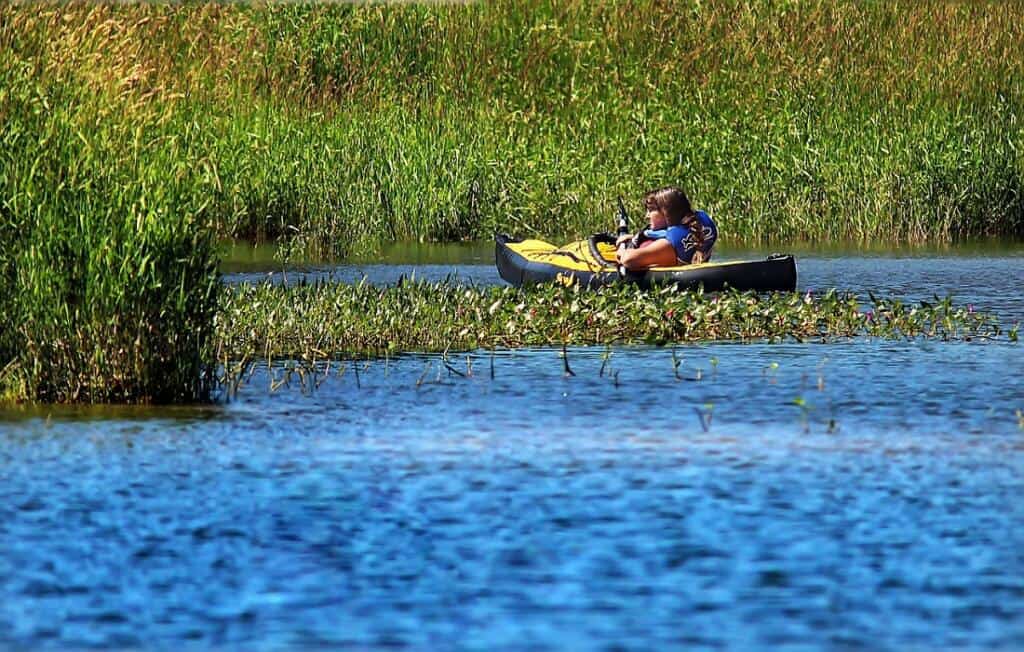
Boating and Canoeing
Launch at designated access points like La Chua Trail’s boardwalk entry or the small put-in near Lake Wauburg for quieter paddling. Most waterways are shallow; use a canoe, kayak, or small shallow-draft boat to avoid grounding. Plan for changing water levels—during dry seasons, channels narrow and some areas become mud flats. Wear a life jacket, carry a waterproof map or GPS, and secure insect repellent; ticks and mosquitoes are common in marsh edges.
Fishing Opportunities
You can fish from shorelines along Lake Wauburg, marsh edges, and select creek channels. Target species include largemouth bass, bluegill, and catfish; use light- to medium-action rods and natural baits or small soft plastics for best results. Observe posted regulations and possess a valid Florida fishing license for freshwater fishing. Seasonal water fluctuations affect where fish concentrate—look for deeper pockets and shaded margins during hot months.
Note: You need a Florida Fishing License To Fish Here!
Practice low-impact shore fishing: pack out line and trash, avoid trampling sensitive vegetation, and keep a safe distance from nesting birds and grazing animals. Night fishing is possible in some spots, but check park hours and safety conditions before you go.
Camping and Lodging
Paynes Prairie offers wooded campsites with direct trail access, basic amenities, and close wildlife viewing. You’ll find options for tents and RVs, clean restrooms and showers, and ranger programs on many weekend nights.
Campgrounds and Facilities
The campground sits near Micanopy with shaded, level sites and limestone pads that fit tents and most RVs. Sites include picnic tables, fire rings, and nearby potable water spigots; some loops feel more private,e while others sit closer to the bathhouse.
Restrooms and coin-operated showers are maintained and generally clean. Vaulted parking and pull-through sites accommodate larger rigs; however, there are no full-hookup RV services on site. Rangers run campfire programs on Saturday evenings from November through February at the amphitheater.

Wildlife can appear near campsites, so store food in vehicles or lockers and follow posted guidance to avoid attracting horses, bison, or alligators.
Visitor Information
Plan for daytime visits, bring water, and expect variable terrain across trails and boardwalks. You can see bison and wild horses from overlooks and trails, so bring binoculars and stay in your vehicle where indicated.
Hours and Entrance Fees
Paynes Prairie Preserve State Park typically opens daily from sunrise to sunset. Office hours for the visitor center and gate may differ; check the park’s website or call ahead for exact seasonal times before you travel.
Entrance fees are charged per vehicle or per person at certain entrances; confirm the current cost and accepted payment methods (credit card or cash) before arrival. Annual Florida State Parks passes are accepted and can save you money if you plan multiple visits. Special programs, guided walks, or events may have separate charges or registration requirements.

Parking is available at multiple trailheads and the visitor center; popular observation points can fill early, especially on weekends and during wildlife-viewing peaks at dawn and dusk. Arrive early to secure a spot and to avoid midday heat on exposed trails.
Directions To Paynes Prairie Preserve State Park Florida
Paynes Prairie sits in Alachua County, Florida, approximately 10 miles south of downtown Gainesville and just north of the Preserve. The Preserve covers roughly 21,000–22,000 acres across a broad basin visible from major approach roads.
Primary access comes from SR 121 and SR 26; the main visitor center and parking are reached via Payne’s Prairie Road off those highways. If you drive from Gainesville, follow SR 24/26 south toward Micanopy, then take local park signage; plan 20–30 minutes depending on your starting point.
Public transit options are limited; bring your own vehicle or arrange a bike. Check the park website for current gate hours, trail closures, and seasonal water conditions before you go.
Conservation and Environmental Initiatives
Paynes Prairie focuses on restoring natural water flow, protecting habitat for rare species, and engaging the public through hands-on programs. These efforts combine large-scale hydrologic work, species management, and community volunteerism to sustain the prairie’s diverse ecosystems.
Ongoing Restoration Projects
You will find major hydrologic Restoration aimed at re-establishing sheetflow from the surrounding uplands into the prairie basin. Projects include reconstructing historic wetland connections and upgrading culverts where I-75 and U.S. 441 cross the basin to reduce channelized flow and restore marsh function.
Habitat management targets prairie-savanna mosaics and native vegetation. Land managers use prescribed fire on a rotational schedule to control woody encroachment and maintain grassland forbs that support pollinators and ground-nesting birds—invasive plant removal (e.g., melaleuca, Brazilian pepper) pairs with native plantings to speed recovery.
Wildlife-focused actions protect bison, wild horses, and threatened birds. Monitoring programs track population trends, nesting success, and waterbird use of restored marshes. You can often view adaptive management changes—such as seasonal water-level adjustments—designed using that monitoring data.
Volunteer and Educational Programs
You can join structured volunteer efforts that remove invasive species, install fencing, and assist with prescribed-burn preparation. The park runs regular volunteer workdays with clear tasks, safety briefings, and tools provided so you can contribute effectively during a single visit.
Educational offerings include guided hikes, citizen-science bird counts, and classroom outreach for local schools. Programs teach species identification, hydrology basics, and the role of fire in ecosystem health. Staff-led presentations and interpretive panels at the visitor center give practical guidance on how land-use decisions outside the park affect prairie ecology.

Sign-up information, schedules, and required waivers are available at the park office and on the Florida State Parks site. You should check seasonal calendars because volunteer opportunities and field programs often depend on weather and management cycles.
Frequently Asked Questions
When Is The Best Time of Year to Visit?
Late Fall–Early Spring: November–March is the best time to visit. It’s cooler, drier weather, which is comfortable for hiking and biking, and fewer mosquitoes. It’s also peak wildlife activity, especially birds and large mammals. Excellent visibility across the prairie with less tall grass. Animals are more active in cooler temperatures, and migratory birds are abundant.
What are the available camping preserves within the Preserve?
You can camp at the park’s developed tent and RV sites, which include picnic tables and fire rings. Backcountry and primitive camping options are available at designated sites along some trails; these require preparation and Leave No Trace practices. Some group sites may be available by reservation for organized parties. Check availability and rules with the park before you go.
Are there cabins available for rent, and how can I book them?
The Preserve does not primarily advertise cabin rentals within its main campground. If cabins are available nearby on partner properties or at other Florida State Parks, you must book them separately.
Contact the Florida State Parks reservation system or the local park office to confirm current lodging options and booking procedures.
What activities and attractions can visitors enjoy at the park?
You can watch wild bison and free-roaming horses from observation areas and trails. Birdwatching attracts nearly 300 species; you can also see alligators, deer, and diverse wetland habitats. Hiking and biking occur along more than 30 miles of trails, including the paved Gainesville-Hawthorne State Trail. Use the 50-foot observation tower and designated overlooks for photography and wildlife viewing.
How can one obtain entry tickets, and what are the associated fees?
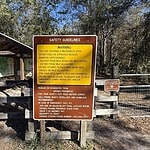
You obtain day-use access by paying the park parking fee at the entrance kiosk or using the park’s online reservation system if available. Fees vary by vehicle type and residency; check the Florida State Parks website or call the park office for current rates.
Annual passes and Florida State Parks passes may be accepted instead of daily fees.
Where can I find a map of the park, including campsites and trails?
You can download official park maps, trail maps, and campground layouts from the Florida State Parks website. The park office and visitor center also supply printed maps and route advice when you arrive.
Large trailheads and the visitor center post on-site maps and interpretive signs to help you navigate.
What is the current population of alligators at Paynes Prairie Preserve State Park?
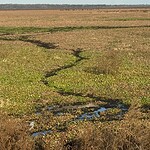
The Preserve hosts dozens of American bison; reported counts commonly exceed 50 but fluctuate with management and natural factors. Alligator numbers are not publicly fixed; the park supports a healthy population typical of North Central Florida wetlands.
For recent, exact counts, contact the park biologist or the Florida State Parks office, as wildlife populations change over time.
Closing Thoughts
Paynes Prairie Preserve State Park is one of Florida’s richest wildlife areas, thanks to its vast open prairie, wetlands, hammocks, and lakes. Here’s a clear overview of the wildlife you can see and where to look.
Whether you’re into wildlife observation, outdoor adventure, or peaceful reflection in nature, this park is a must-visit outdoor destination in north Florida today.
Looking For More On Florida? Start Here:
- Florida – The Little Fishing Town You Should Visit
- Fly Fishing in Florida
- Bayport Florida
- Clearwater Beach Florida
- Crystal River Florida
- Disappearing Island Florida
- Florida Scalloping – The Complete Guide Including Maps!
- Hernando Beach – The Complete Guide To The Real Gulf Of Mexico’s Venice
- Lake Dora, Tavares, Florida – A Perfect Weekend Getaway
Brit On The Move™ Travel Resources
Ready to book your next trip? Use these resources that work:
Was the flight canceled or delayed? Find out if you are eligible for compensation with AirHelp.
- Hotels: Find the best prices; use Booking.com
- Apartment Rentals: Find the best prices on apartment rentals with Booking.com’s Apartment Finder.
- Travel Insurance: Don’t leave home without it. View our suggestions to help you decide which travel insurance is for you: Travel Insurance Guide.
- Credit Cards: Check out our recommendations for Travel Credit Cards.
- Volunteer Vacation or a Working Holiday? Check out the complete guide here!
- Rental Cars: Find the best deals here!