North Florida Towns to Visit or Call Home: Discover Charming Communities and Welcoming Vibes
North Florida Towns aren’t always the ones people think of when they think of Florida. Often, the big cities like Miami, Orlando, and Tampa take the stage. Florida stretches from the Georgia state line down through the Panhandle, and it covers more ground than most people expect. This region holds college towns, a state capital, working shrimp docks, and beach communities that never made it onto a spring break flyer. Florida gets stereotyped as one long stretch of theme parks and retirement condos, but northern Florida runs on a different clock and a different economy.

This post may contain affiliate links. Please read our disclosure and privacy policy for more information.
I’ve spent years driving these back roads and coastal highways, from Fernandina Beach near the Atlantic Ocean to the fishing docks of Apalachicola on the Gulf Coast. Some of these towns make sense for a weekend trip, and others make sense for a mortgage, and knowing which is which saves a lot of wasted research. A town built for tourists in July can feel like a ghost town in February, and a town that’s ideal for a young family might bore a retiree within a month. This article discusses North Florida towns by what they actually offer, not by how they photograph.
How North Florida Is Organized
North Florida splits into three practical zones: northeast Florida along the coast, the inland capital region, and the Florida Panhandle to the west. Each has its own economy, driving distance to the coast, and pace of life, and mixing them up leads to many disappointed house hunters.
Northeast Florida Along the Atlantic Coast and St. Johns River
Northeast Florida hugs the Atlantic Coast and follows the St. Johns River inland. Jacksonville anchors this corner, with St. Augustine, Amelia Island, and the beach towns spreading out from there. The St. Johns River shapes a lot of the older river towns, giving them a working waterfront feel rather than a resort look.
The Capital Area and Inland Communities
Tallahassee sits inland, closer to Georgia and Alabama than to any beach, and it runs on state government and two large universities. Gainesville, farther east, has similar university energy but centers on agriculture and research instead of politics. The inland towns around both cities tend to be quieter and more rural.
The Florida Panhandle and Northwest Florida Gulf Coast
The Florida Panhandle runs west from the Big Bend toward Alabama, tracing the Gulf Coast the whole way. This stretch includes the Emerald Coast beach towns near Destin and the slower Forgotten Coast fishing communities near Apalachicola. Northwest Florida feels culturally closer to the Deep South than to Central Florida.

Getting Around by I-10, I-75, U.S. 90, Airports, and Coastal Roads
I-10 runs east-west across the entire top of the state, connecting Jacksonville to Tallahassee to Pensacola. I-75 cuts north-south through Lake City and down toward Gainesville, and U.S. 90 parallels I-10 for a slower, small-town alternative. Jacksonville, Tallahassee, Gainesville, and Pensacola all have regional airports, which matters for anyone weighing visits against a permanent move.
Best Choices for City Amenities, Jobs, and Schools
Jacksonville, Tallahassee, Gainesville, and Pensacola cover the region’s real job markets, university systems, and hospital networks. Each city draws a different kind of resident: Jacksonville pulls in corporate and logistics workers, Tallahassee runs on government and academia, Gainesville centers on the University of Florida and its research arm, and Pensacola leans on the Navy and healthcare.
Jacksonville for Big-City Services and Diverse Neighborhoods
Jacksonville is the largest city in North Florida by a wide margin, and it offers the housing variety and job opportunities that come with that scale. Neighborhoods like San Marco and Five Points have a walkable, historic character, while the suburbs spread out toward the beaches and the St. Johns River. Jacksonville University and the University of North Florida add steady student populations, and the Mayo Clinic campus brings serious healthcare jobs to the city’s south side.

Tallahassee for Government, Florida State University, and a College-Capital Feel
Tallahassee runs on two main engines: state government and Florida State University. The city empties out noticeably during university breaks, and traffic patterns shift around the legislative session each spring. Housing here skews toward renters and younger professionals, though the surrounding neighborhoods offer solid suburban living for state employees and long-term residents.
Gainesville for the University of Florida and Nature-Focused Living
Gainesville centers almost entirely on the University of Florida, and that shows in everything from the restaurant scene to the rental market. The city sits close to dozens of natural springs and preserves, appealing to residents who want research jobs or academic careers without giving up outdoor access. Home prices near campus run higher than in surrounding Alachua County towns.
Pensacola for History, Healthcare, and Naval Aviation
Pensacola combines a historic downtown with a strong military economy built around Naval Aviation and the nearby Eglin Air Force Base footprint. The city’s healthcare sector has grown alongside its military presence, giving it steadier job opportunities than many Panhandle towns. Educational institutions here are smaller than in Gainesville or Tallahassee, which shapes a workforce more tied to trades, service, and government contracting than academia.
Atlantic Coast Communities for Beaches and Historic Character
St. Augustine, Amelia Island, and the Jacksonville-area beach towns give the Atlantic Coast its identity, mixing colonial history with modern beach living. These communities range from dense historic districts to quiet barrier islands, and each one draws a slightly different crowd.
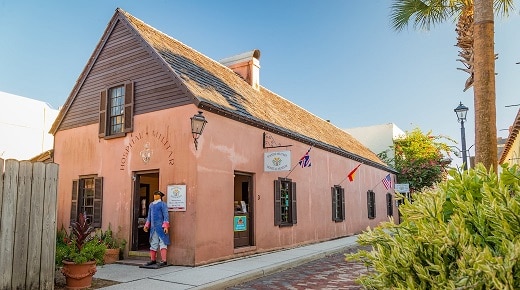
St. Augustine for Historic Streets, Flagler College, and Castillo de San Marcos
St. Augustine claims the title of the oldest continuously occupied European-established city in the country, and its downtown reflects that with narrow streets and centuries-old buildings. Castillo de San Marcos anchors the historic waterfront, and Flagler College occupies a former resort hotel that’s worth seeing even without a campus tour. The town draws heavy tourist traffic year-round, which makes for a lively visit but a crowded daily commute for residents.
Amelia Island and Fernandina Beach for a Relaxed Island Setting
Amelia Island sits at the very top of Florida’s Atlantic Coast, and Fernandina Beach serves as its main town. Victorian-era homes line the historic downtown, contrasting with the more modern resort development further south on the island. The pace here runs slower than Jacksonville Beach, with a shrimping-town history still visible in the marina and older neighborhoods.
Jacksonville Beach, Atlantic Beach, and Neptune Beach for Coastal Access Near the City
These three beach towns sit side by side just east of Jacksonville, and each has its own personality despite the shared shoreline. Jacksonville Beach carries the liveliest bar and restaurant scene of the three. Atlantic Beach and Neptune Beach feel more residential and lower-key, appealing to families who want beach access without the nightlife crowds.
Palm Coast, Marineland, and Daytona Beach for a Quieter Central-Edge Coast
Palm Coast sits south of St. Augustine and functions mostly as a planned residential community rather than a tourist stop. Marineland is barely a town at all, a small marine research outpost along a scenic coastal drive. Daytona Beach marks the edge where North Florida blends into Central Florida, and it carries more of a motorsports and spring break reputation than the towns to its north.
Panhandle and Forgotten Coast Picks for Gulf Living
The Florida Panhandle’s Gulf Coast splits into a busy Emerald Coast tourist corridor and a much quieter Forgotten Coast further east. Destin and Panama City Beach draw the crowds, while Apalachicola and its neighbors keep a working-waterfront feel that’s mostly disappeared elsewhere in the state.
Destin, Fort Walton Beach, Niceville, and Crestview for Emerald Coast Convenience
Destin anchors the Emerald Coast with its harbor, high-rise condos, and heavy summer tourist traffic. Fort Walton Beach and Niceville, both in Okaloosa County, offer more affordable housing and a shorter commute to the beach than Destin. Crestview sits further inland along the Rocky Bayou area, trading beach proximity for lower home prices and a quieter daily pace.

The 30A Communities: From Santa Rosa Beach to Seaside
Highway 30A strings together a chain of small, design-forward beach communities: Santa Rosa Beach, Rosemary Beach, Alys Beach, Seacrest, Seagrove, and Seaside. These towns favor walkable streets, pastel architecture, and beach access over big-box development, and vacation rental prices reflect that polish. Year-round residents are a small share of the population in most of these communities, which means quiet winters and packed summer weekends.
Panama City Beach and Panama City for a Busier Resort Base
Panama City Beach runs on a bigger, brasher tourist economy than the 30A towns, with high-rise hotels, a long stretch of public beach, and a busier nightlife scene. Panama City itself sits across the bay and functions more as a working city, with a downtown that’s been rebuilding steadily since Hurricane Michael. The pairing gives visitors resort amenities and gives residents a more affordable, less seasonal place to live nearby.
Apalachicola, Carrabelle, Port St. Joe, Panacea, and Sopchoppy for a Slower Coast
Apalachicola built its reputation on oystering and still has a working seafood industry along its riverfront docks, though the oyster harvest has slowed in recent years. Carrabelle and Port St. Joe share a similar fishing-town character, with fewer visitors than Apalachicola gets. Panacea and Sopchoppy, near Wakulla County and the Ochlockonee River, stay small enough that Sopchoppy’s Worm Gruntin’ Festival counts as a major annual event.

Small Inland Towns for Quiet, Nature, and Lower-Key Living
Inland North Florida trades coastline for pine forest, farmland, and river access, and its towns run smaller and slower than the coastal communities. These places suit residents who want low-key living and don’t need daily beach access.
Lake City, Live Oak, and Suwannee County Along North Florida’s Inland Routes
Lake City sits at the crossing of I-75 and I-10, giving it a logistics and trucking economy alongside its small-town feel. Live Oak, the seat of Suwannee County, sits along the Suwannee River and draws visitors to nearby Blue Springs for tubing and swimming. Both towns offer noticeably lower home prices than the coastal or university markets.
Live Oak is one of my favorite hubs. Some of Florida’s most famous springs are in this region. Some of the lesser known ones in this region are also some of the best. Here just some of the gems that Live Oak is a gateway to:
Royal Springs – Suwannee County’s Hidden Gem
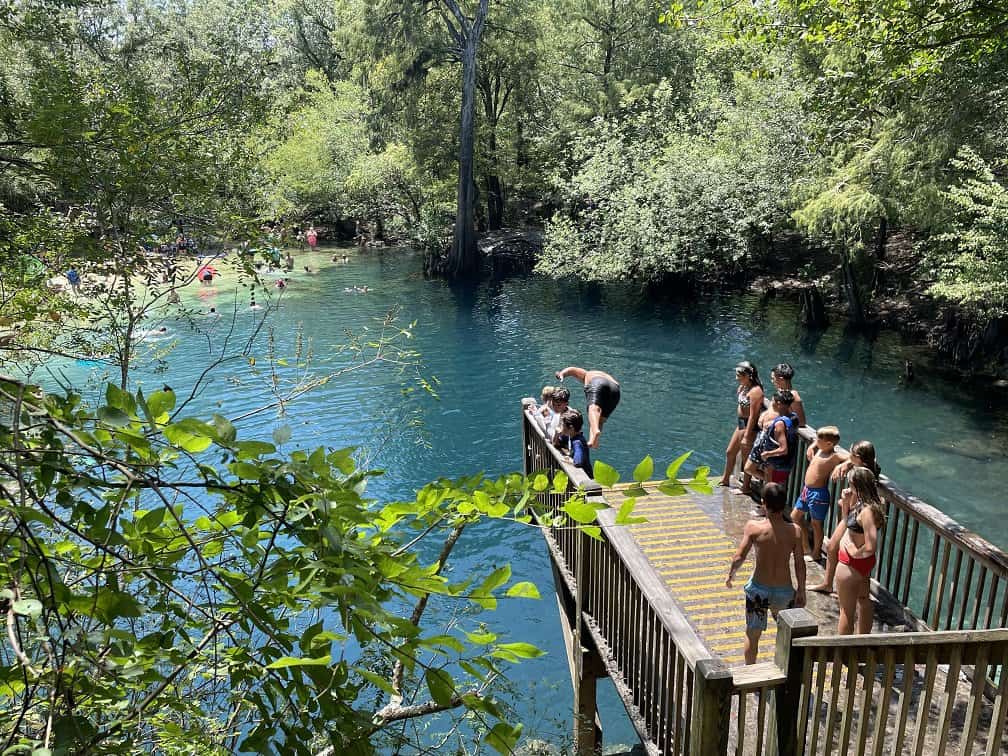
Suwannee Springs, Florida – The Oldest Spring in Florida:
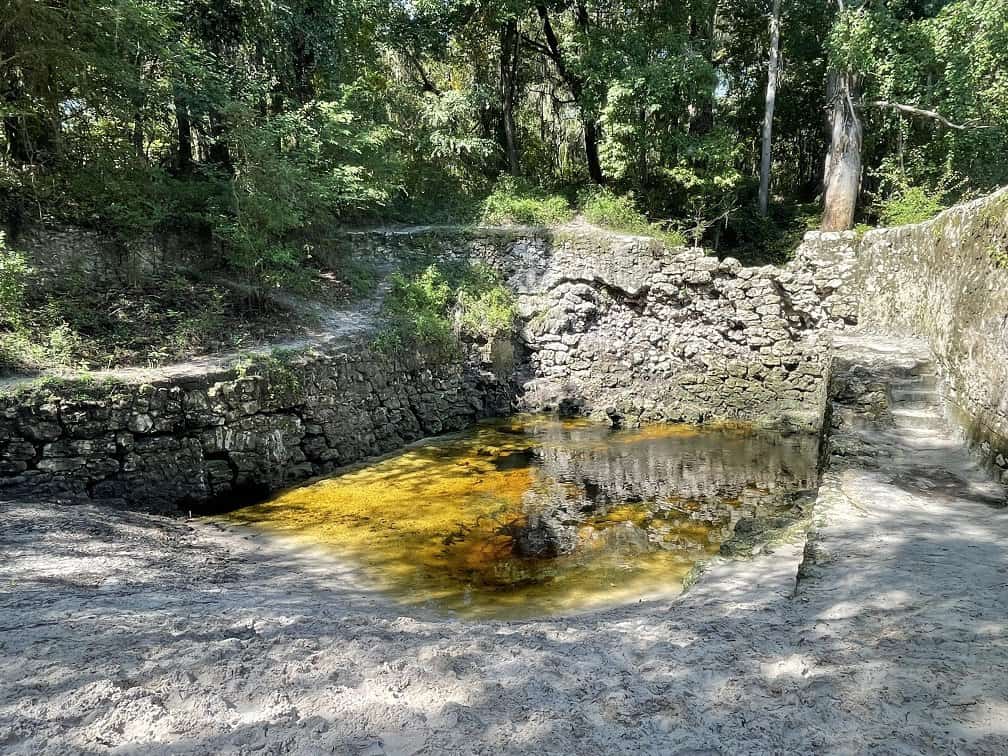
Wes Skiles Peacock Springs State Park
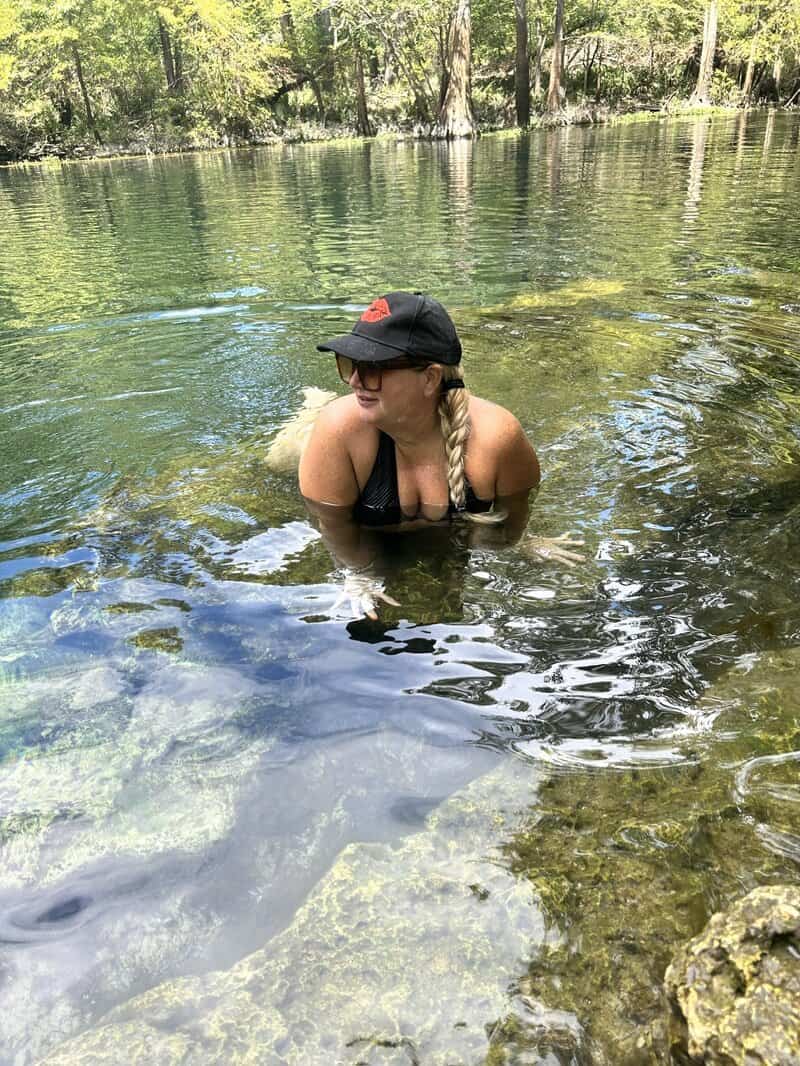
Telford Spring: A Natural Wonder On The Suwannee River
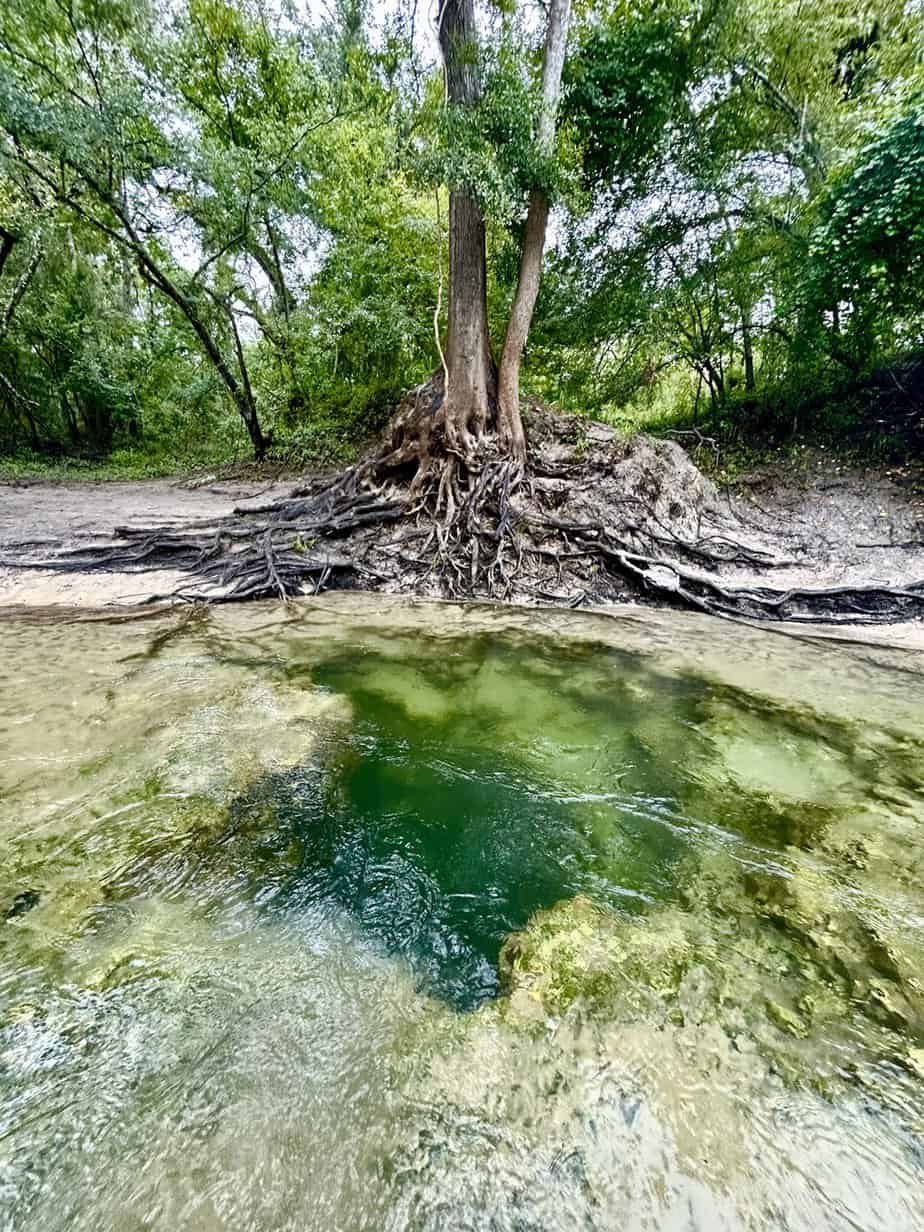
There are tons more in this area, but these are a few of mine:)
Palatka and Green Cove Springs for Riverfront Small-Town Life
Palatka sits on the St. Johns River and has a working-class, riverfront character built around its paper mill history. Ravine Gardens State Park gives the town a genuine natural draw that surprises first-time visitors. Green Cove Springs, closer to Jacksonville near Orange Park, has grown into more of a bedroom community while keeping its old downtown intact.
Macclenny and the Forested I-10 Corridor
Macclenny sits along I-10 surrounded by the Osceola National Forest, giving it a piney, rural feel despite its easy highway access. Olustee Battlefield Historic State Park sits nearby, marking the site of Florida’s largest Civil War battle. The town functions mostly as a quiet stop between Jacksonville and Lake City rather than a destination on its own.
Marianna, Chipley, and Blountstown for Old Florida Panhandle Character
Marianna and Chipley sit in the western Panhandle, both showing an older, rural Florida character shaped by farming and small manufacturing. Blountstown, seat of Calhoun County, sits near the Apalachicola National Forest and stays disconnected from Panhandle tourism entirely. These towns border the Blackwater River area further west, and they suit residents who want genuinely rural living with minimal traffic.

Matching a North Florida Town to Your Lifestyle
The right North Florida town depends on how much you weigh job opportunities, beach access, and quiet against each other. Retirees often gravitate toward smaller towns with parks and lower housing costs, while working families tend to prioritize educational institutions and commute times to Jacksonville, Tallahassee, or Pensacola.
Someone chasing beach access every weekend should look at the Atlantic Coast towns or the Emerald Coast, accepting the seasonal crowds that come with it. Someone who wants a permanent, lower-cost home base does better inland, in towns like Live Oak or Marianna, even if that means a longer drive to the coast. Florida towns across this region rarely deliver everything at once, and matching priorities to trade-offs beats chasing a single “best” list.
Frequently Asked Questions
What are the best towns to live in North Florida?
The best choice depends on priorities: Jacksonville and Tallahassee offer the widest job markets, Gainesville suits university-connected careers, and smaller towns like Green Cove Springs or Live Oak offer lower costs with a quieter pace. Families often lean toward suburban areas near Jacksonville, while retirees frequently choose smaller inland or coastal towns with lower housing costs.
What are the biggest cities in North Florida?
Jacksonville is the largest city in North Florida by a wide margin, followed by Tallahassee and Gainesville. Pensacola rounds out the region’s four major population and job centers, each anchoring a different part of the North Florida map.
Which North Florida towns are best for a beach vacation?
St. Augustine, Amelia Island, and the 30A communities near Santa Rosa Beach and Seaside all deliver strong beach vacation experiences with different personalities. St. Augustine leans historic, Amelia Island offers a quieter island setting, and the 30A towns bring polished, walkable beach architecture. Destin and Panama City Beach suit visitors who want a bigger resort scene with more nightlife and amenities.
Where can I find quiet small towns in North Florida?
Inland towns like Live Oak, Macclenny, Marianna, and Blountstown offer a slower pace away from tourist traffic. On the coast, Forgotten Coast towns like Apalachicola, Carrabelle, and Sopchoppy keep a working, low-key character rather than a resort feel. Small towns throughout North Florida trade convenience and nightlife for lower costs and less crowding.
Is North Florida more affordable than South Florida?
North Florida generally runs less expensive than South Florida, particularly in inland towns and smaller Panhandle communities away from the main tourist strips. Coastal spots near Destin, St. Augustine, and the 30A corridor carry higher prices that rival parts of South Florida, so location within the region matters as much as the regional comparison itself.
Closing Thoughts
North Florida holds enough variety that no single town speaks for the whole region. Jacksonville, Tallahassee, Gainesville, and Pensacola cover the job markets and universities, the Atlantic Coast and Emerald Coast handle beach living at different price points and crowd levels, and towns like Apalachicola, Live Oak, and Marianna keep the slower, rural side of the state intact. Visiting one corner of North Florida tells you very little about the others, and that’s worth remembering before assuming any single town represents the whole picture.
Looking For More, Start Here?
- Blue Spring – Florida
- Crystal River & Three Sisters Spring
- Danville, The Most Magical Stay In Florida
- De Leon Springs, aka “Ponce De Leon Springs State Park”
- Devil’s Den, Florida – A Prehistoric Spring
- Florida’s Best Treehouse Rental
- Glamping In Florida At Safari Wilderness
- Glamping In Florida In A Covered Wagon
- Homosassa Springs Florida
- Kelly Park – Rock Springs
- Kings Landing, Florida, and The Iconic Emerald Cut
- Rainbow Springs State Park
- Silver Glen Springs, Florida
- Silver Springs – One Of Florida’s Most Famous Springs
- The Best RV Resorts In Florida
- Wakulla Springs and Lodge
Brit On The Move™ Travel Resources
Ready to book your next trip? Use these resources that work:
Was the flight canceled or delayed? Find out if you are eligible for compensation with AirHelp.
- Hotels: Find the best prices; use Booking.com
- Apartment Rentals: Find the best prices on apartment rentals with Booking.com’s Apartment Finder.
- Travel Insurance: Don’t leave home without it. View our suggestions to help you decide which travel insurance is for you: Travel Insurance Guide.
- Credit Cards: Check out our recommendations for Travel Credit Cards.
- Volunteer Vacation or a Working Holiday? Check out the complete guide here!
- Rental Cars: Find the best deals here!